
 By Rose Miami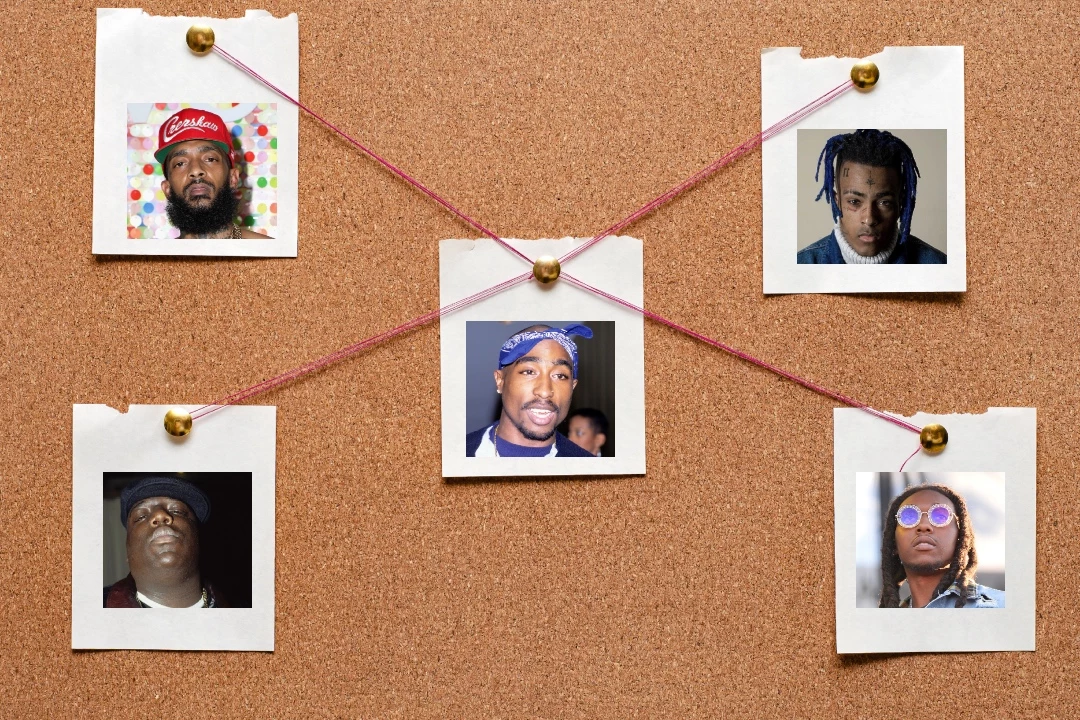
HangupsMusic.com – In the annals of hip-hop, a somber narrative unfolds, one marked by the tragic loss of artists whose voices were silenced prematurely by violence. The genre, born from the vibrant pulse of urban communities and often reflecting their raw realities, has, with alarming frequency, seen its brightest stars extinguished before their time. This enduring cycle of loss raises critical questions about justice, accountability, and the persistent shadows that loom over the culture.
The year 1987 marked a pivotal, and deeply sorrowful, moment for hip-hop. Nearly 14 years after DJ Kool Herc ignited the cultural revolution with his pioneering block parties in the Bronx, the genre experienced its first major blow. Scott La Rock, the influential DJ and co-founder of Boogie Down Productions, was fatally shot in his head and neck in the very borough that birthed hip-hop. At just 25 years old, his untimely death sent shockwaves through the nascent music scene, serving as a stark harbinger of the violence that would continue to plague the genre. La Rock’s case, while a seminal tragedy, unfortunately became a precursor to a long and disheartening list of murdered rappers whose stories remain incomplete.
While some high-profile cases, such as those involving XXXTentacion and Jam Master Jay, have reached a measure of closure with perpetrators brought to justice, many others linger in a state of unresolved grief and unanswered questions. The recent murder of Takeoff, a beloved member of Migos, in 2022, saw suspects apprehended and awaiting trial, offering a sliver of hope in a landscape often characterized by despair. However, for a musical art form that fearlessly confronts the struggles and harsh truths of inner-city life, the disproportionate rate at which its artists fall victim to violence is a persistent and painful paradox.
The statistics paint a grim picture. In the 39 years since Scott La Rock’s murder, a staggering 93 additional rappers have been killed, an average of more than two per year. Of these tragic incidents, a mere handful have been definitively solved. The vast majority, over 60 lives cut short, remain cold cases, their perpetrators at large, leaving a void in both the music industry and the pursuit of justice. This stark reality contrasts sharply with broader national trends in homicide clearance rates. According to the Murder Accountability Project, the U.S. murder clearance rate has seen an increase, reaching 61.4% in 2024, up from 52.3% in 2022. Yet, this national statistic fails to reflect the deeply troubling disparity in the resolution of homicides involving hip-hop artists.
Legendary figures like The Notorious B.I.G., Big L, and Mac Dre, whose music continues to resonate and inspire, are among those whose murders, occurring decades ago, have yet to be definitively solved. These unsolved cases fuel not only personal anguish for their families and fans but also contribute to broader societal narratives and, at times, unfair stigmatization of the music itself. As Scott La Rock’s manager, Scotty Morris, poignantly observed to The New York Times in the wake of his client’s death, "In some respects, rap music and violence seem to go hand in hand. But it’s not the music itself, it’s the environment. Violence was here long before hip-hop." This sentiment underscores a critical distinction: the music often reflects societal ills, rather than being their cause.
The enduring mystery surrounding these cases has fostered a climate of frustration and a demand for greater accountability. For decades, hip-hop has served as a powerful voice for marginalized communities, offering a platform for storytelling, social commentary, and artistic expression. The loss of these artists represents not only the silencing of individual talents but also the dimming of crucial voices within the cultural conversation. The ongoing investigations, or lack thereof, into these numerous homicides cast a long shadow, prompting a perpetual search for answers and a yearning for justice that echoes through the genre.
This comprehensive examination delves into the current status of these tragic cases, seeking to shed light on the ongoing efforts, or the frustrating lack thereof, in bringing closure to the families and communities affected by the loss of these influential artists. It is a testament to their enduring legacy that their stories, and the pursuit of justice for them, continue to command attention and demand resolution. The journey from the vibrant streets of the Bronx to the global stage of hip-hop has been fraught with challenges, and the unresolved chapters of its fallen stars serve as a stark reminder of the work that remains to be done.
