
 By Azzam Bilal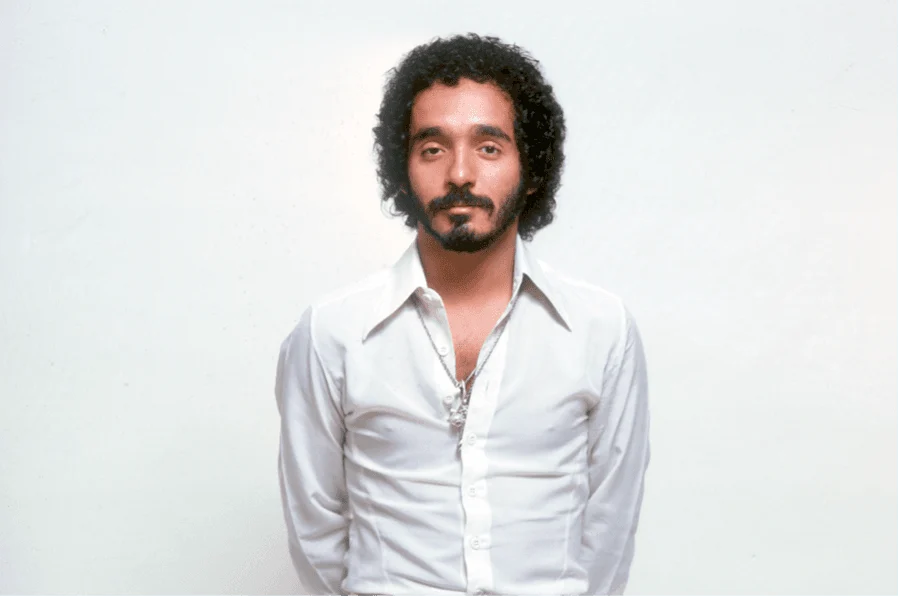
HangupsMusic.com – New York, The global music community is mourning the loss of a foundational pillar of modern Latin music following the passing of Willie Colón. A visionary trombonist, composer, and bandleader, Colón was a primary architect of the salsa movement that redefined the cultural landscape of New York City and the world during the late 20th century. His family shared the somber news via social media on February 21, noting that the maestro passed away peacefully at the age of 75, surrounded by his loved ones. While a specific cause of death was not immediately disclosed, the outpouring of grief from fans and fellow artists underscores the immense void left by a man whose career spanned over five decades of innovation and activism.
Born in 1950 in the heart of the Bronx, Willie Colón was a product of the Nuyorican experience—the vibrant, often challenging intersection of Puerto Rican heritage and New York City’s gritty urban reality. Raised primarily by his grandmother, Antonia Gil, Colón was immersed from infancy in a rich tapestry of Caribbean and Latin American sounds. His grandmother’s influence was pivotal; she filled their home with the rhythms of Cuban son, the rural poetry of Puerto Rican jíbaro music, the elegance of the guaracha, and the melancholy of the tango. These diverse influences would later become the building blocks of the "Colón sound"—a sophisticated, street-wise fusion that refused to be confined by traditional genre boundaries.
Colón’s journey as a musician began in earnest at the age of 11. Though he would eventually become synonymous with the trombone, his path to the instrument was a winding one. He initially experimented with the flute, the bugle, and the trumpet, searching for a voice that matched his burgeoning creative energy. The turning point came when he heard Barry Rogers playing the trombone on "Dolores," a track by Mon Rivera and Joe Cotto. The raw, guttural power of the instrument captivated the young Colón. He famously described the sound as being akin to a wild animal—part elephant, part lion—possessing a visceral quality that other brass instruments lacked. This revelation set him on a path to master the trombone, an instrument he would eventually use to "bark" and "roar" over some of the most iconic rhythms in music history.
During his formative years, Colón honed his craft by performing at weddings and local celebrations, but his real education took place in the nightclubs of New York. He shadowed his mentor, Mon Rivera, absorbing the nuances of stagecraft and arrangement. By the time he was 17, his talent was undeniable, leading to a contract with the legendary Fania Records in 1967. This signing marked the beginning of a revolution. Under the Fania banner, Colón would help birth "salsa"—a term that served as an umbrella for a high-octane blend of traditional Latin structures infused with the grit of American jazz, the groove of R&B, and the raw energy of funk.
Colón’s early work was defined by a "Bad Boy" persona, often appearing on album covers styled like FBI "Most Wanted" posters. This wasn’t merely marketing; it reflected the rebellious spirit of a generation of young Latinos in New York who were navigating a landscape of social upheaval. Colón saw his music as a direct parallel to the Civil Rights movement. He often recalled watching the historic marches in Selma and witnessing the struggle for equality, noting that while his music wasn’t always explicitly political in its lyrics, it served as a magnetic force that unified a marginalized community. It was the sound of resistance, pride, and urban survival.
The initial phase of his professional career was defined by his legendary partnership with the vocalist Héctor Lavoe. Their debut collaboration, El Malo (1967), signaled a shift in Latin music toward a more aggressive, trombone-heavy sound. Together, they produced a string of masterpieces that remain essential listening for any student of the genre, including Cosa Nuestra (1970), Crime Pays (1972), and Lo Mato (1973). While Lavoe provided the soulful, street-smart vocals, Colón was the mastermind behind the arrangements, pushing the boundaries of what a Latin orchestra could sound like.
In the late 1970s, Colón entered another era of profound creativity through his collaboration with the Panamanian singer-songwriter Rubén Blades. Their 1978 album, Siembra, is widely regarded as the pinnacle of the salsa genre. The record featured the track "Pedro Navaja," a narrative masterpiece inspired by "Mack the Knife" that transformed the salsa song into a vehicle for complex social storytelling. Siembra was not just a critical darling; it was a commercial juggernaut, holding the title of the best-selling Latin album in history for several decades. Although a financial dispute in the early 2000s would eventually strain their relationship, the work Colón and Blades produced together—including the 1981 Grammy-nominated Canciones del Solar de los Aburridos—remains a cornerstone of Latin American culture.
Colón’s influence extended far beyond his work with Lavoe and Blades. He was a tireless collaborator who shared the stage and the studio with icons like Celia Cruz and Tito Puente. His versatility was further evidenced by his work with David Byrne of Talking Heads, proving that his musical language was truly universal. Over his storied career, he released more than 40 albums and garnered 11 Grammy and Latin Grammy nominations. In 2004, the Latin Recording Academy recognized his monumental contributions with a Lifetime Achievement Award, and in 2019, he was rightfully inducted into the Latin Songwriters Hall of Fame.
However, Willie Colón was never content to be "just" a musician. He was a man of deep conviction who felt a responsibility to give back to the community that raised him. In 1994, he took a bold step into the political arena, running in the Democratic primary for a U.S. House of Representatives seat representing the Bronx and parts of Westchester County. Though he did not win, the campaign highlighted his commitment to civic engagement. Later, in 2004, he lent his expertise to the administration of New York Mayor Michael Bloomberg, serving as a vital liaison between City Hall and the Latin Media and Entertainment Commission.
His creative appetite also led him to the screen. Colón appeared in several films, including Vigilante, The Last Fight, and the romantic comedy It Could Happen to You. On television, he made guest appearances on the iconic series Miami Vice and the Mexican drama Demasiado Corazón. Even in his later years, he remained culturally relevant, appearing in the music video for "Nueva Yol" by the global superstar Bad Bunny, bridging the gap between the pioneers of salsa and the leaders of the modern urban movement.
Colón’s perspective on the evolution of Latin music was uniquely inclusive. Rather than dismissing the rise of reggaeton, he recognized it as a spiritual successor to the salsa movement he helped start. He saw the same rebellious energy, the same DIY ethos, and the same drive to document the realities of the street. He famously remarked that if a sound feels good musically, it should be embraced, regardless of traditionalist objections. This open-mindedness earned him the respect of a new generation of artists.
The news of his passing has triggered a wave of tributes from the biggest names in music. Artists such as Rauw Alejandro, J Balvin, and Marc Anthony have expressed their heartbreak and gratitude for his mentorship and inspiration. During a tour stop in Brazil, Bad Bunny took a moment to honor the legend, telling the crowd that the spirit of musicians like Colón will live on as long as there are young people dedicated to keeping Caribbean rhythms alive. Rubén Blades also paid tribute to his former partner, acknowledging the indelible mark they made on the world together.
In a final statement reflecting on his life, Fania Records described Colón as a man who brought Latin music from the local streets of New York to a global stage. They noted that his work was more than just a collection of songs; it was a declaration of identity, joy, and resistance. Willie Colón did not just play music; he lived it, and in doing so, he provided the soundtrack for millions of lives across generations. As the world says goodbye to "El Malo," his trombone continues to echo, a fierce and beautiful reminder of the power of art to transcend borders and time.
