
 By admin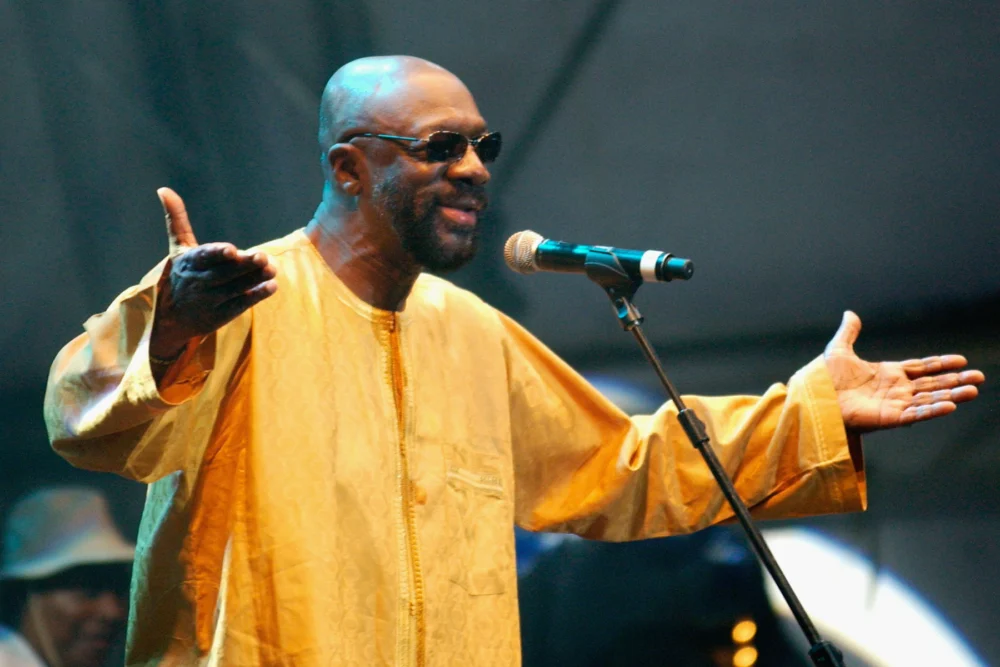
HangupsMusic.com – Atlanta, Georgia – A significant chapter in the ongoing narrative of intellectual property rights within the political arena has concluded with the estate of legendary soul artist Isaac Hayes reaching a confidential settlement with former President Donald Trump and his campaign organization. The resolution brings an end to a high-profile legal dispute concerning the unauthorized use of the iconic 1966 soul classic "Hold On, I’m Comin’" at numerous campaign rallies. While specific financial terms remain undisclosed, the estate had previously sought $3 million in damages, underscoring the serious nature of the alleged infringement.
The legal action, initiated in 2024, spotlighted the persistent tension between political campaigns’ desire to leverage popular music for atmosphere and the fundamental rights of artists and their estates to control how their creations are used. At the heart of the lawsuit was the claim that Trump personally selected the track, leading to its alleged deployment at least 133 times across various campaign events without securing the necessary permissions. Furthermore, the estate contended that the campaign had not only played the song but also recorded and disseminated videos containing the copyrighted material, despite prior objections and attempts to have the usage ceased.
"Hold On, I’m Comin’," a seminal work from the Stax Records catalog, is far more than just a rally anthem; it’s a cornerstone of American soul music. Co-written and produced by Isaac Hayes and David Porter, the song was a breakout hit for the dynamic duo Sam & Dave. Released in 1966, it quickly soared to the top of the R&B charts and became a Top 10 pop hit, solidifying its place in the pantheon of classic soul. Its raw energy, powerful vocals, and undeniable groove made it an instant favorite, embodying the vibrant sound that emerged from Memphis’s Stax studio. Hayes’s genius as an arranger and songwriter, often working behind the scenes in the early part of his career, was instrumental in shaping the sound of numerous Stax hits, including this one. The song’s enduring appeal lies in its potent message of resilience and support, making its unauthorized appropriation particularly poignant for the estate striving to protect Hayes’s artistic integrity.
The estate’s decision to pursue legal action was not merely about financial compensation but about upholding the principles of intellectual property that safeguard artists’ legacies. Isaac Hayes III, son of the late musician and president of the estate, had voiced strong opinions on social media, condemning the campaign’s actions and the broader implications for creative control. In a now-deleted X post, he asserted, "Donald Trump represents the worst in integrity and class with his disrespect and sexual abuse of Women and racist rhetoric. We will now deal with this very swiftly." This impassioned statement not only highlighted the legal grievance but also connected it to broader ethical concerns, framing the dispute as a battle for respect and accountability. Such public declarations, while removed, underscored the family’s deep-seated conviction regarding the moral and legal aspects of the infringement.
The lawsuit’s progression through the federal courts in Georgia demonstrated the estate’s unwavering commitment. Lawyers for Trump had initially sought to have the case dismissed, arguing various technicalities. However, the presiding judge sided with the Hayes estate, allowing the copyright infringement claims to proceed. This judicial decision was a critical juncture, validating the merits of the estate’s arguments and indicating that the campaign faced a genuine legal challenge. It reinforced the legal precedent that simply playing a song at a public event, especially for commercial or political gain, without proper licensing constitutes a violation of copyright.
On Monday, following months of legal wrangling, the Hayes estate filed a voluntary dismissal in federal court, signaling the successful conclusion of negotiations. Representatives for the estate subsequently issued a statement confirming that the lawsuit had been "mutually resolved" and that the family was "satisfied with the outcome." This phrasing, common in confidential settlements, suggests that both parties found an agreeable path forward, likely involving a financial component that met the estate’s demands or a significant portion thereof, in exchange for ending the litigation.
Beyond the immediate financial aspects, the estate emphasized the broader significance of the resolution. "This resolution represents more than the conclusion of a legal matter," the statement read. "It reaffirms the importance of protecting intellectual property rights and copyrights, especially as they relate to legacy, ownership and the responsible use of creative works." This declaration speaks to the inherent value placed on artistic creation and the necessity of ensuring that creators, even posthumously through their estates, retain control over their intellectual property. For the Hayes family, this settlement is a vindication of their role as stewards of a monumental cultural legacy.
Isaac Hayes Jr., who passed away in 2008, dedicated his life to a craft that profoundly shaped American music. From his early days as a session musician and songwriter at Stax to his groundbreaking solo career that earned him an Academy Award for the "Theme from Shaft," Hayes was a visionary. Known as "Black Moses" for his majestic presence and socially conscious lyrics, his contributions transcended mere entertainment, influencing generations of artists and listeners. His innovative use of orchestral arrangements, spoken-word intros, and powerful, emotionally resonant vocals defined an era of soul and R&B. The family’s statement reiterated that his work retains "enduring value" and that their commitment remains steadfast in ensuring his oeuvre is "respected and properly protected."
The Hayes family expressed pride in having "advanced a broader conversation surrounding intellectual property rights and the obligation to honor creators and their estate," according to the statement signed by Isaac Hayes III. This broader conversation is vital in an age where music is easily accessible and often consumed without conscious thought about its origins or the rights associated with it. Political campaigns, in particular, have a long history of running afoul of copyright law, frequently using popular songs to energize crowds without securing the necessary public performance or synchronization licenses. Artists like Neil Young, Tom Petty’s estate, and Bruce Springsteen, among others, have previously issued cease-and-desist letters to political figures for similar unauthorized uses, highlighting a systemic issue that often requires legal intervention to resolve.
Lawyers representing Trump did not immediately respond to inquiries regarding the settlement. However, the fact that the case progressed to a settlement, rather than a dismissal in Trump’s favor or a protracted trial, indicates the strength of the estate’s legal position. James L. Walker, Jr., one of the estate’s attorneys, conveyed his satisfaction: "On behalf of the law office of Brittney R. Dobbins and our team at Walker & Associates, we are honored to have represented Isaac Hayes, III and the estate of Isaac Hayes, Jr. and happy to see this matter resolved. We have no further comments." This professional conclusion underscores the finality of the agreement and the successful protection of the Hayes legacy.
This resolution serves as a potent reminder to all public figures and organizations of the critical importance of respecting intellectual property. It reinforces the principle that an artist’s creation, even decades after its release, remains their property, and its use, particularly in a public or commercial context, requires explicit permission and often compensation. For the estate of Isaac Hayes, this settlement is not just a legal victory but a reaffirmation of the enduring power and value of a musical giant’s creative output, ensuring that his echo continues to resonate with dignity and respect.
