
 By admin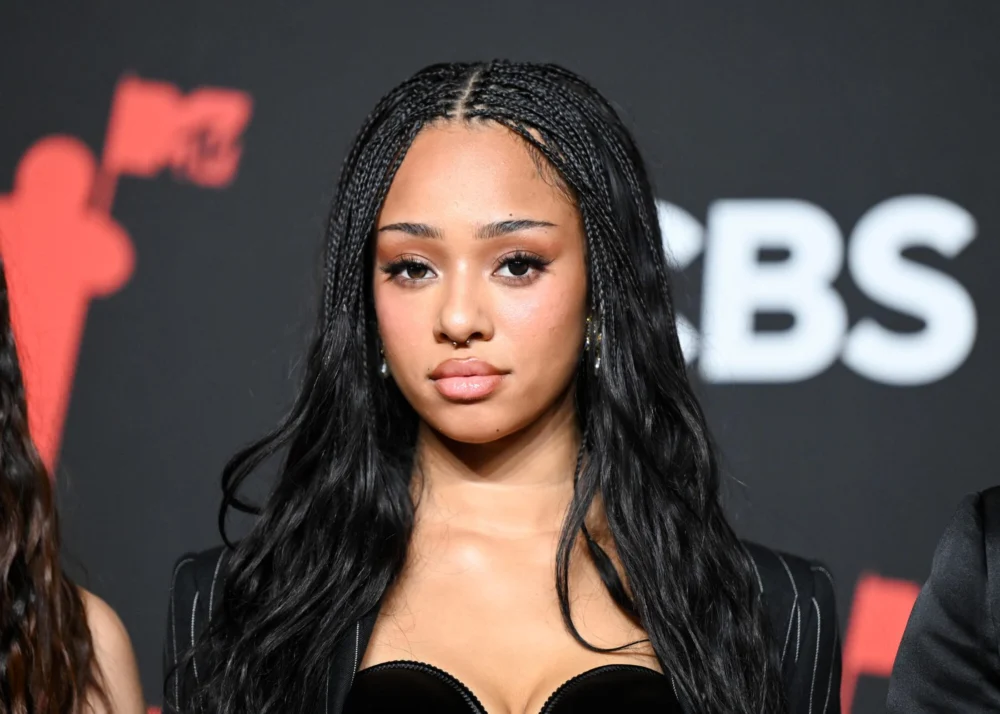
HangupsMusic.com – The global music landscape was undeniably shaken last week following the unexpected announcement that Manon Bannerman, a prominent and widely celebrated member of the rising sensation KATSEYE, would be taking an indefinite hiatus from group activities. The official statement, issued on February 20th by joint management HYBE and Geffen, cited a crucial need for Manon to "focus on her mental health and wellbeing," a disclosure that immediately resonated throughout the industry and among the fervent fanbase known as EYEKONS. This development not only casts a temporary shadow over KATSEYE’s meticulously planned trajectory, including a highly anticipated Coachella debut, but also reignites long-standing, often uncomfortable, conversations about the pressures faced by artists, particularly those from underrepresented backgrounds, within the unforgiving glare of the global pop spotlight.
Manon, whose full name is Manon Bannerman, first captured public attention in 2021 through her engaging fashion and lifestyle content shared across TikTok and Instagram. Her digital presence quickly amassed a significant following, setting the stage for her eventual recruitment into KATSEYE through the intense 2023 reality competition series, The Debut: Dream Academy. Her journey from social media influencer to global pop idol was rapid and inspiring, yet her current withdrawal has prompted a deeper societal reflection, largely due to her unique position as the sole Black member of the group. This aspect of her identity has inadvertently placed her at the center of a historical narrative, drawing parallels to the experiences of other Black women in predominantly non-Black girl groups, such as Normani during her time with Fifth Harmony, Leigh-Anne Pinnock of Little Mix, and Melody Thornton from The Pussycat Dolls. Each of these artists, in their respective eras, navigated a complex landscape marked by both professional and fan-driven biases, often facing undue scrutiny and prejudice that disproportionately impacted their mental and professional well-being.
The initial communication regarding Manon’s hiatus was disseminated through the KATSEYE fan community platform Weverse on a Friday evening, February 20th, at 6:45 p.m. ET. The joint statement from HYBE and Geffen was carefully worded, emphasizing a collective decision born from "open and thoughtful conversations." It read, in part: "We fully support this decision. KATSEYE remains committed to showing up for one another and for the fans who mean everything to us. The group will continue scheduled activities during this time, and we look forward to being together again when the time is right. Thank you to our EYEKONS for your continued love, patience, and understanding." The message, while conveying support, also highlighted the continuation of the group’s activities, signaling a pragmatic approach to managing the situation while respecting Manon’s need for space.
However, a few hours later, a seemingly personal message from Manon herself surfaced, allegedly shared via Weverse DMs, offering a slightly different, more intimate perspective. "I’m healthy, I’m okay, and I’m taking care of myself. Thank u for checking in! Sometimes things unfold in ways we don’t fully control, but I’m trusting the bigger picture," the message reportedly stated. This brief, somewhat enigmatic declaration immediately fueled speculation among fans and industry observers. The phrase "things unfold in ways we don’t fully control" hinted at external pressures or circumstances beyond her individual will, a common undercurrent in discussions surrounding artist autonomy within the highly structured K-pop and global pop idol systems. It left many wondering about the precise nature of the "mental health and wellbeing" challenges and whether external factors contributed significantly to her decision to step back.

The timing of Manon’s hiatus is particularly impactful given KATSEYE’s immediate schedule. The group is currently deep in preparations for their highly anticipated debut at Coachella in April, a pivotal moment for any ascending act aiming for global domination. The absence of one of its key members, especially one with Manon’s distinct stage presence and vocal contributions, undoubtedly poses a logistical and creative challenge for the remaining five members. Yet, as of this report, none of the other KATSEYE members have publicly addressed Manon’s temporary withdrawal, maintaining a unified silence that, while perhaps intended to respect her privacy, also leaves fans hungry for reassurance and clarity. This silence contrasts sharply with Manon’s own candid reflections just days before the announcement. In a February 17th interview with The Cut, Manon made a poignant statement that now resonates with heightened significance: "Being called lazy, especially as a Black girl, is not fair. Now I feel like I always need to put in extra work to prove something, even though I really don’t." This quote offers a rare, unfiltered glimpse into the specific pressures and racialized stereotypes she encountered, highlighting the systemic biases that often burden Black women in high-profile, performance-driven careers.
KATSEYE’s journey to stardom has been meteoric. Forged through The Debut: Dream Academy in 2023, the six-piece global girl group quickly ascended the music industry hierarchy. Their breakthrough came in 2025 with the release of their Beautiful Chaos EP, a project that not only showcased their diverse talents but also earned them their first two entries on the prestigious Billboard Hot 100 chart: "Gnarly" reached No. 82, and "Gabriela" soared to No. 26. The critical acclaim for "Gabriela" extended to a Grammy nomination for Best Pop Duo/Group Performance, though they ultimately lost to Cynthia Erivo and Ariana Grande’s "Defying Gravity" at the ceremony earlier this month. The group also secured a nod for Best New Artist, with that accolade eventually going to Olivia Dean. This rapid accumulation of success and recognition underscores the intense pressure cooker environment in which Manon and her bandmates have been operating, a world where every performance, every chart position, and every public appearance is magnified.
In the immediate aftermath of the HYBE and Geffen announcement, a tangible wave of support for Manon began to ripple through the music industry. Several prominent artists took to social media, most notably by following Manon’s Instagram account, a subtle yet powerful gesture of solidarity. Among those who publicly demonstrated their backing were critically acclaimed singer-songwriter RAYE, renowned music producer London On Da Track, actress and singer Halle Bailey, and perhaps most significantly, Normani. Normani’s support holds particular weight, given her own well-documented experiences as the sole Black member of Fifth Harmony, where she faced a barrage of racist bullying and professional slights. Her public affirmation of Manon serves as a poignant reminder of the shared struggles and the imperative for mutual upliftment among Black women in entertainment. This outpouring of peer support not only validated Manon’s decision but also amplified the broader conversation about mental wellness and the unique challenges faced by marginalized artists within the entertainment machine. The collective actions of these industry figures underscore a growing awareness and commitment to fostering a more supportive and equitable environment for artists navigating the complexities of global fame.
Manon’s hiatus, while a personal decision, has thus become a focal point for a broader industry dialogue. It highlights the often-invisible burdens carried by performers, especially those who navigate additional layers of racial and cultural scrutiny. As KATSEYE prepares for its next chapter, albeit temporarily without one of its shining stars, the music world watches closely, hoping that Manon’s break will lead to genuine healing and that her return, whenever it may be, will signal a stronger, more resilient artist, and perhaps, a more understanding and supportive industry. The silence from her bandmates, while potentially protective, also emphasizes the delicate balance groups must strike between individual well-being and collective momentum. Ultimately, Manon’s story serves as a powerful testament to the human element behind the glamorous facade of global pop, urging a collective re-evaluation of how we support and protect the artists who bring so much joy and inspiration to our lives.
