
 By Rose Miami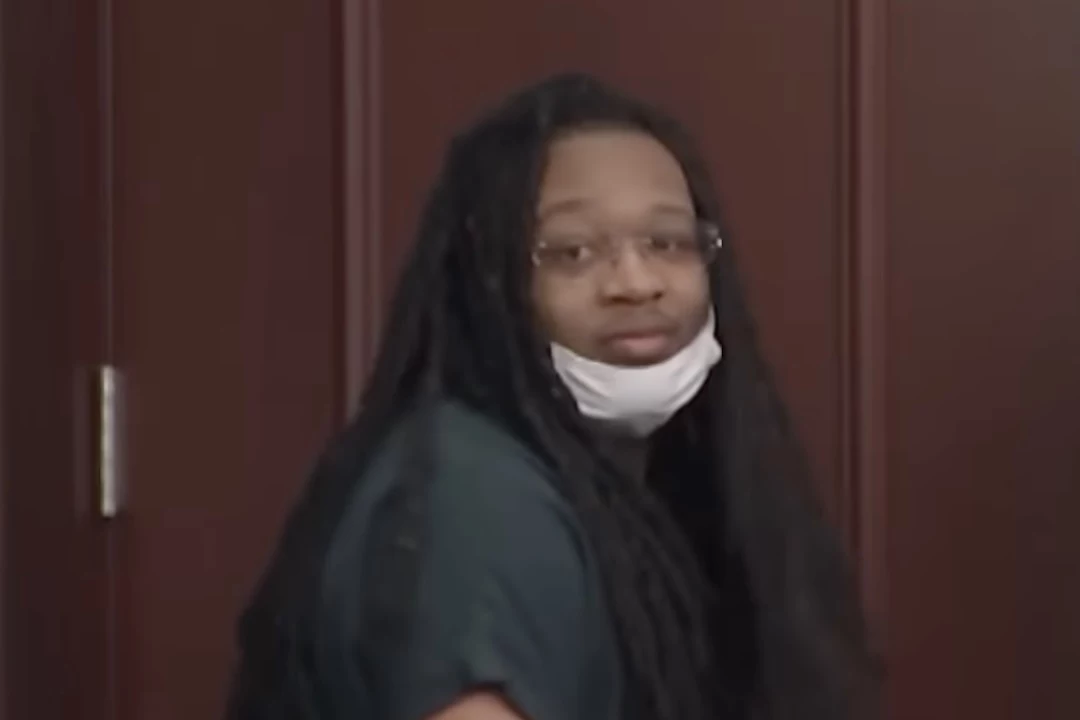
HangupsMusic.com – Jacksonville, FL – Rapper Hakeem Armani Robinson, known professionally as Ksoo, has been handed a 10-year prison sentence after entering a guilty plea for a second murder charge. This latest conviction adds to an already significant prison term, stemming from a previous life sentence for another homicide. The plea agreement, confirmed through legal documents obtained by this publication, resolves Ksoo’s involvement in the 2019 fatal shooting of 16-year-old aspiring rapper Adrien "Lil Bibby" Gainer.
The sentencing, which took place on Monday, February 23rd, stipulates that Ksoo will serve 10 years behind bars, to be followed by a five-year period of probation. This judicial outcome follows Ksoo’s earlier conviction in July 2025, where he was found guilty of the 2020 murder of fellow rapper Charles "Lil Buck" McCormick. In that preceding case, Ksoo was sentenced to life imprisonment without the possibility of parole, a sentence that will now run concurrently or consecutively with his new 10-year term, depending on the court’s final determination.
The tragic death of Adrien Gainer occurred on February 25, 2019, at the New Hope Apartments, a complex formerly known as the Hilltop Village Apartments in Jacksonville, Florida. Authorities responded to the scene of the shooting to find the young rapper deceased. Investigations at the location reportedly uncovered a substantial amount of evidence, with reports from local news outlets indicating that as many as 45 shell casings were recovered from the crime scene. Following Gainer’s murder, Ksoo allegedly engaged in behavior on social media platforms that appeared to boast about the incident, posting photographs and videos that alluded to his involvement.

The circumstances surrounding Charles McCormick’s murder on January 15, 2020, are believed by law enforcement to be intrinsically linked to an ongoing rap feud. McCormick was fatally shot in the Dames Pointe Plaza, located on Merrill Road. Investigators have posited that this act of violence was a retaliatory measure, potentially stemming from the death of Ksoo’s stepbrother, Willie Addison. Addison had been killed approximately one year prior to McCormick’s murder, after leaving a club.
The legal ramifications of the McCormick case have extended beyond Ksoo, implicating several members of his family. Ksoo’s father, Abdul Robinson Sr., was also convicted in connection with McCormick’s murder, as were Ksoo’s brother, Abdul Robinson Jr., and their cousin, Leroy Whitaker. In the resolution of these charges, Abdul Robinson Sr. received a sentence equivalent to time served, effectively concluding his legal entanglement. Abdul Robinson Jr. was sentenced to 12 years in prison, while Leroy Whitaker received a life sentence for his role in the crime. The interconnectedness of these violent acts and the familial involvement highlights a complex and deeply troubling pattern of conflict within the community.
The case of Ksoo underscores the severe consequences faced by individuals involved in violent criminal activity, particularly within the context of feuds that can escalate with devastating results. The dual murder convictions and the substantial prison sentences reflect the legal system’s response to these grave offenses. As the legal proceedings conclude for Ksoo, the focus shifts to the impact of these events on the victims’ families and the broader implications for the music community. The ongoing nature of such cases serves as a stark reminder of the real-world dangers that can arise from interpersonal conflicts, even when originating in the realm of artistic expression and rivalry. The legal system’s commitment to accountability in these matters remains a crucial aspect of public safety and justice. The length of Ksoo’s combined sentences suggests a significant period of incarceration, intended to address the gravity of his convictions.
