
 By Azzam Bilal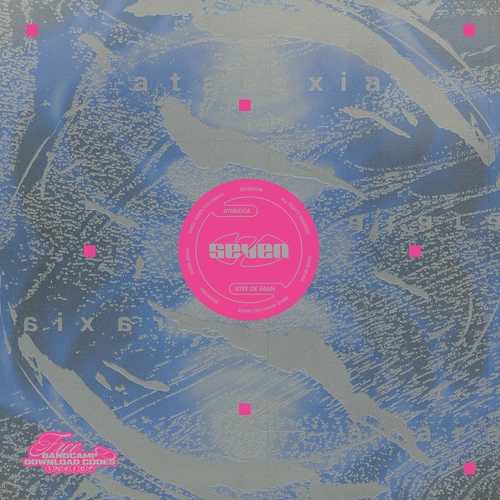
HangupsMusic.com – Amsterdam, the electronic music landscape of the Netherlands has long been a fertile breeding ground for artists who possess a keen understanding of the delicate balance between high-energy club mechanics and deep, emotional resonance. The latest producer to step into the spotlight with a definitive statement of intent is Stef de Haan. With his debut label release, a compelling EP titled Ataraxia, de Haan is not merely contributing another set of tools for the DJ’s arsenal; he is attempting to map the psychological state that occurs when the chaos of the world is eclipsed by the singular focus of the rhythm.
The title of the EP, Ataraxia, is a term borrowed from Ancient Greek philosophy, most notably associated with Epicureanism and Stoicism. It refers to a state of robust tranquility, a lucidity of mind characterized by the absence of mental distress and anxiety. In a contemporary context, particularly within the frantic, neon-lit confines of the global club circuit, such a state might seem unattainable. However, for de Haan, the dancefloor is the only environment where this specific brand of peace can truly be realized. It is the moment when the ego dissolves, the body moves on instinct, and the surrounding noise of life is replaced by a crystalline sonic order.
Throughout the EP, de Haan demonstrates a sophisticated grasp of pacing and atmosphere. Rather than aiming for the obvious, explosive energy of a peak-time mainstage set, Ataraxia finds its home in the "after-peak" hours—those precious, early-morning moments when the initial frenzy of the night has subsided, leaving behind a dedicated crowd of dancers who are locked into a collective, hypnotic flow. It is here, in the sweat-drenched intimacy of the late-night hours, that de Haan’s production truly shines, capturing a fevered dynamism that feels both urgent and incredibly composed.
The opening track, "1 More Time Selecta," serves as a masterclass in genre-blurring. In the hands of a less capable producer, the attempt to weave together such a diverse array of influences might result in a cluttered or disjointed listening experience. Yet, de Haan manages to guide the listener through a dreamlike sequence of sonic environments. The track draws on the rhythmic vitality of UK garage and breakbeat, yet it is anchored by a house-leaning sensibility that provides a consistent, driving pulse. There is a sense of nostalgia in the "Selecta" vocal motifs, a nod to the historical roots of rave culture, but the polished, modern production ensures the track feels firmly rooted in the present. It is a piece of music that feels as though it is constantly evolving, shifting its shape just as the listener begins to pin it down, much like the fluid nature of a long-form DJ set.
Following this is "Dance Tool," a track that, despite its utilitarian title, offers a profound depth of texture. Here, de Haan leans into the hypnotic traditions of low-slung techno. The track is built upon a foundation of subterranean bass and metronomic percussion, but it is the subtle layers of atmosphere that elevate it beyond a simple DJ tool. There is a psychological weight to the repetition, a deliberate stripping away of unnecessary elements until only the essential components of the groove remain. This is techno at its most functional and its most meditative, designed to pull the listener deeper into their own headspace while keeping their feet moving in a relentless, synchronized pattern.
The clarity of de Haan’s production is one of the most striking aspects of the Ataraxia EP. In an era where many producers rely on heavy distortion or "lo-fi" aesthetics to mask technical shortcomings, de Haan embraces a clean, wide-screen sound. Every synth stab, every hi-hat flicker, and every cavernous reverb tail is placed with surgical precision. This clarity is essential to the concept of the EP; if Ataraxia is about mental serenity and lucidity, the music must reflect that lack of clutter. The listener is never overwhelmed by noise; instead, they are invited to explore the space between the notes, finding peace in the structural integrity of the compositions.
Beyond the technical merits of the music, Ataraxia serves as a significant milestone in Stef de Haan’s career. Transitioning from a respected DJ to a recording artist with a debut label release is a pivotal moment for any electronic musician. It requires a shift in perspective from interpreting the music of others to establishing a unique sonic identity. With this release, de Haan has successfully carved out a niche for himself. He is an artist who understands that the dancefloor is not just a place for escapism, but a place for confrontation—a space where one can face the intensity of the music and emerge on the other side with a sense of calm and clarity.
The Dutch electronic scene has always been characterized by its technical proficiency and its willingness to innovate, and de Haan is a worthy successor to that legacy. However, his work feels distinctly personal. There is an emotional honesty in the way he captures the "fevered dynamism" of club culture. He doesn’t shy away from the intensity of the experience; he embraces the sweat, the heat, and the exhaustion, recognizing them as necessary precursors to the state of serenity he seeks to describe.
As an EP, Ataraxia functions as a cohesive narrative. It begins with the kaleidoscopic energy of "1 More Time Selecta," representing the transition from the external world into the internal logic of the club. It then moves into the focused, rhythmic meditation of "Dance Tool," representing the deep immersion of the late-night hours. By the time the final notes fade, the listener has undergone a journey that mirrors the arc of a transformative night out.
In the broader context of the electronic music market, where tracks are often designed for short-lived viral success or immediate impact on social media, de Haan’s work feels refreshingly substantial. Ataraxia is music that demands time and attention. It is designed to be heard on a high-quality sound system, in a dark room, surrounded by people who are there for the same reason: to find that elusive state of mental peace through the power of the beat.
The success of this release suggests a bright future for Stef de Haan. By focusing on the philosophical and psychological aspects of the dancefloor, he has created a body of work that resonates on a level deeper than mere entertainment. He has captured the essence of why we go to clubs in the first place—not just to hear music, but to feel something profound, to lose ourselves in the rhythm, and to eventually find ourselves in the silence that follows.
Ultimately, Ataraxia is a testament to the enduring power of electronic music as a tool for transformation. It is a reminder that even in the midst of a loud, chaotic world, there are pockets of serenity to be found if we know where to look. For Stef de Haan, that peace is found in the heart of the dancefloor, and through this EP, he has invited the rest of us to join him there. As he continues to develop his sound and explore the intersection of philosophy and production, he remains an artist to watch, providing a much-needed sense of clarity in an increasingly noisy world.
