
 By Azzam Bilal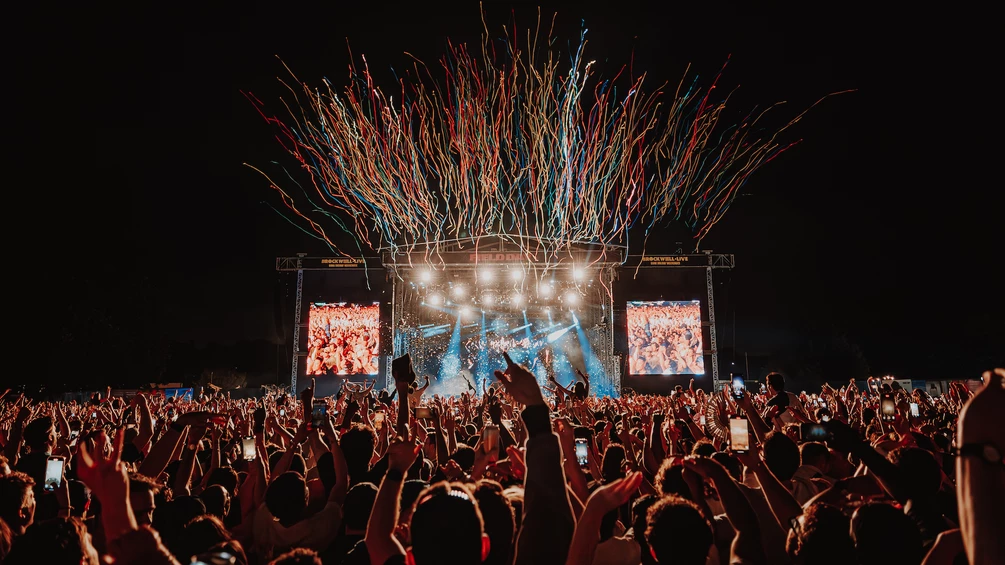
HangupsMusic.com – London, the landscape of South London’s live music scene has received a definitive blueprint for the coming year following a landmark decision by Lambeth Council. In a move that signals both a recovery for the outdoor event sector and a victory for large-scale cultural programming, the council’s Planning Applications Committee has unanimously approved a comprehensive proposal to host a series of major music festivals at Brockwell Park in 2026. The decision, reached during a pivotal meeting on Tuesday, February 24, brings an end to months of administrative uncertainty and legal friction that had previously threatened the future of one of the capital’s most popular summer event series.
The approval grants Summer Events Ltd, the powerhouse behind the "Brockwell Live" brand, the authority to transform over a quarter of the historic park into a sprawling festival hub for a period of up to 32 days. This window, spanning from May 9 to June 9, 2026, encompasses the entire lifecycle of the festival season, including the complex logistical phases of site construction, the actual performance days, and the eventual decommissioning of the stages. Crucially, the new planning permission includes designated "wet weather buffer days," a strategic addition designed to mitigate the environmental impact on the park’s grounds should typical British springtime rain threaten the integrity of the turf.
The 2026 season is set to feature a formidable quartet of festivals that have become synonymous with the South London cultural identity. Field Day, which recently announced its relocation to Brockwell Park, will join the soulful sounds of Cross the Tracks, the Caribbean-inspired celebrations of City Splash, and the vibrant, pop-focused spectacle of Mighty Hoopla. Together, these events represent a broad spectrum of musical genres, from cutting-edge electronic and alternative acts to jazz, funk, soul, and reggae, drawing hundreds of thousands of attendees to the Herne Hill and Brixton border.
This formal planning approval marks a significant departure from how these events were historically managed. In previous years, organizers relied on "permitted development rights," a more flexible but less permanent regulatory framework. However, the transition to a full planning application was necessitated by a high-profile legal challenge mounted last year by the local residents’ group, Protect Brockwell Park. The group successfully took Lambeth Council to court, arguing that the scale and duration of the festivals exceeded the 28-day limit typically allowed under permitted development rules. The High Court ruling effectively forced the council and organizers to seek a more rigorous and transparent planning route, leading to the detailed application that was approved this week.
Despite the unanimous vote from the committee, the decision remains a point of contention for local activists. Jonathan Hanreck, representing Protect Brockwell Park, expressed significant reservations during the proceedings. Speaking to the BBC, Hanreck suggested that the council’s approval was based more on optimistic projections than on empirical evidence of the festivals’ impact. He argued that the "harm" to the park—ranging from soil compaction and restricted public access to noise pollution—was being undervalued in favor of commercial interests. The tension between the preservation of public green space and the commercial utilization of that space remains a central theme in the ongoing dialogue between the local community and municipal authorities.
Lambeth Council, however, maintains that the approval process was exhaustive and balanced. The Planning Applications Committee emphasized that their decision was not made in a vacuum but followed a rigorous assessment of various environmental and social factors. To address the concerns of residents, the council has mandated strict noise control measures and comprehensive environmental management plans. These protocols are designed to ensure that the ecological health of Brockwell Park is maintained and that the disruption to the surrounding residential neighborhoods is kept to an absolute minimum.
Beyond the environmental considerations, the council leaned heavily on the projected economic and cultural windfalls. Estimates provided during the planning process suggest that the Brockwell Live series generates a staggering £10 million boost to the local economy. This revenue stream is vital for the survival of local businesses, particularly those within the hospitality and night-time economy sectors in Brixton and Herne Hill, which often see a surge in footfall during festival weekends. In an era where creative industries across the United Kingdom are grappling with soaring operational costs and a cost-of-living crisis, the council viewed the festivals as an essential pillar of regional economic stability.
A spokesperson for Brockwell Live celebrated the committee’s decision, framing it as a recognition of the festivals’ wider social value. "Our team would like to thank the residents and stakeholders who engaged with us throughout the planning process, sharing both feedback and support," the statement read. The organizers highlighted that the approval comes at a critical juncture for the UK’s creative economy, which has faced unprecedented pressure in recent years. "We’re pleased with the outcome, which recognises the cultural and social value of the Brockwell Live series, alongside the significant economic contribution it makes to Lambeth and Greater London."
The organizers also sought to reassure the public regarding their stewardship of the park. They committed to an ongoing "active dialogue" with the community and announced forthcoming updates on new initiatives aimed at enhancing the park’s biodiversity. This proactive stance appears to be an attempt to mend fences with the local groups who feel marginalized by the scale of the events. "Our commitment to delivering the events responsibly and with care for the park and its neighbours continues beyond this decision," the spokesperson added.
While the 2026 lineup looks robust, there are notable shifts in the festival roster. Wide Awake, a festival that has carved out a niche for post-punk, techno, and indie enthusiasts over the last five years, will notably be absent from the 2026 schedule. The organizers did not provide a specific reason for the hiatus, but the move highlights the shifting dynamics of the London festival circuit. Conversely, Field Day’s presence continues to draw scrutiny. Last year, the festival faced internal pressure when several DJs withdrew from the lineup. The boycott was sparked by concerns over the festival’s ties to Superstruct Entertainment, a company owned by the global private equity firm KKR, due to the firm’s investment portfolio. While these industry-wide debates continue, they have not dampened the commercial appetite for the event, with organizers reporting that tickets for the upcoming season are already selling at a rapid pace.
The approval of the 32-day window represents more than just a permit for music; it is a testament to the evolving role of urban parks in the 21st century. As municipal budgets face tightening constraints, the revenue generated from large-scale events has become a lifeline for the maintenance and improvement of public spaces. However, the Brockwell Park case serves as a reminder that this commercialization must be tempered by accountability and a genuine commitment to the local population.
As May 2026 approaches, the eyes of the music industry and urban planners alike will be on Lambeth. The success of this season will likely dictate the template for how major metropolitan festivals are regulated moving forward. For now, the "green light" from the council ensures that the vibrant, diverse sounds of Field Day, Cross the Tracks, City Splash, and Mighty Hoopla will continue to echo through South London, bringing with them a mix of cultural prestige, economic stimulus, and the perennial debate over the best use of London’s precious "green lungs." With the legal hurdles cleared and the planning permission secured, Brockwell Live is now focused on delivering what they describe as their "strongest edition yet," promising a summer of music that is as responsible as it is spectacular.
