
 By Rose Miami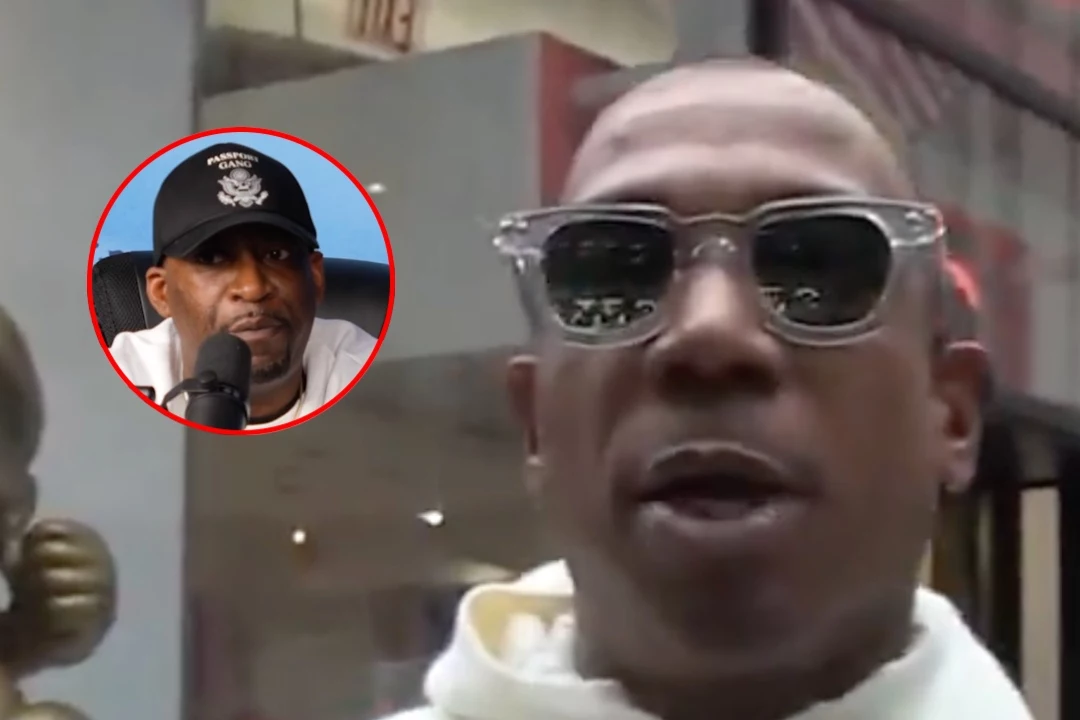
HangupsMusic.com – The long-simmering feud between Ja Rule and 50 Cent’s G-Unit collective continues to simmer, with Ja Rule firmly stating that a reconciliation is not in the cards. Following a recent airborne encounter with Tony Yayo and Uncle Murda, Ja Rule elaborated on his stance, asserting that while he doesn’t wish for ongoing conflict, he has no intention of burying the hatchet with his long-standing rivals. The rapper, once a dominant force in the music industry under the Murder Inc. banner, expressed a desire for a state of peaceful coexistence rather than active animosity. "Sometimes in life, people have enemies, and that’s OK," Ja Rule conveyed to TMZ reporters in New York City. "We don’t also have to be at war. So, there’s room for us to be not friends, and also not be at war. And that’s where I’m at with it right now. I don’t deal with that side. I don’t fk with them, they don’t fk with me. That’s fine. But I also don’t have to be at war." This sentiment suggests a mature, albeit distant, approach to a rivalry that has defined a significant chapter in hip-hop history.
Tony Yayo, a prominent member of G-Unit and a key figure in their lyrical battles with Ja Rule, wasted no time in responding to Ja Rule’s declaration. Taking to social media, Yayo posted a pointed message that seemed to dismiss Ja Rule’s notion of a peaceful, non-confrontational détente. While the original Instagram post has since been removed, its sentiment was clear: the animosity runs deep, and for some, the "war never dies." Yayo’s response, reportedly captioned "We grown but war never dies #qgtm. They was never outside," implies a belief that Ja Rule’s current stance is disingenuous or a result of him not being actively involved in the street culture that often fuels such rivalries. The hashtag "#qgtm" likely refers to "Queens Get The Money," a G-Unit rallying cry, further solidifying his allegiance and the enduring nature of the beef from his perspective.
The recent airport incident, which appears to have reignited the public discourse surrounding this feud, occurred just last week. A chance seating arrangement on a flight from San Francisco to New York brought Ja Rule into close proximity with Tony Yayo and Uncle Murda. What began as verbal exchanges reportedly escalated into a heated confrontation, culminating in Ja Rule allegedly throwing a pillow at Yayo. This led to Ja Rule being removed from the aircraft, an event that prompted him to later issue an apology for his actions and for stepping outside his typically composed demeanor. The apology, however, did not extend to a desire for reconciliation with the G-Unit members.

This ongoing narrative is a stark reminder of the intense rivalries that have characterized the hip-hop landscape. The G-Unit and Ja Rule beef, which dates back to the early 2000s, was one of the most prominent and acrimonious in the genre. Fueled by diss tracks, public statements, and street credibility, it became a defining element of the era. Ja Rule’s assertion that he will "never squash" the beef, while tempered by his desire for a lack of active warfare, suggests a permanent scar left by the protracted conflict. Yayo’s retort, conversely, indicates that from the G-Unit perspective, the battle lines remain firmly drawn, with no prospect of a truce.
The complexities of hip-hop rivalries are often multifaceted, extending beyond mere musical competition to encompass territorial disputes, personal grievances, and the intricate dynamics of street loyalty. Ja Rule’s current position, advocating for a state of non-aggression without outright reconciliation, might be an attempt to navigate the legacy of the feud while prioritizing his current peace. However, Yayo’s response suggests that such a nuanced approach may not be universally accepted within the G-Unit camp, where the memory of past confrontations likely holds significant weight. The phrase "They was never outside" hints at a perception that Ja Rule and his associates were not as deeply embedded in the gritty realities that often underpin these lyrical battles, implying a disconnect in their experiences and therefore their motivations.
The incident on the plane, while seemingly trivial in its immediate manifestation (a thrown pillow), serves as a powerful symbol of the unresolved tension. The confined space of an airplane, where escape is impossible, amplified the confrontation and brought the long-standing animosity into sharp, public relief. Ja Rule’s subsequent apology for his behavior on the plane, while acknowledging a lapse in his composure, did not signal a willingness to mend fences with his adversaries. Instead, it appears to be an acknowledgment of the unfortunate optics of the situation and a desire to distance himself from the physical altercation itself, rather than the underlying conflict.
As the years progress, the impact of these hip-hop feuds continues to resonate. They shape narratives, influence artistic output, and create lasting legacies within the genre. The Ja Rule and G-Unit saga is a prime example of a rivalry that has endured, evolving from aggressive lyrical assaults to a more subdued, yet still palpable, state of animosity. Ja Rule’s latest statements suggest a desire to move beyond the constant state of warfare, while Tony Yayo’s response indicates that the embers of the past are far from extinguished. Whether this dynamic will ever lead to a definitive resolution remains to be seen, but for now, the echoes of their beef continue to reverberate through the hip-hop community. The concept of "squashing beef" in the music industry is often a complex negotiation, influenced by ego, pride, business interests, and the ever-present gaze of the public. In this instance, Ja Rule appears to be setting a boundary, defining his relationship with G-Unit as one of non-conflict rather than camaraderie, a distinction that Tony Yayo seems unwilling to fully accept. The ongoing nature of this dispute underscores the enduring power and the often-unresolved nature of hip-hop’s most legendary rivalries.
