
 By admin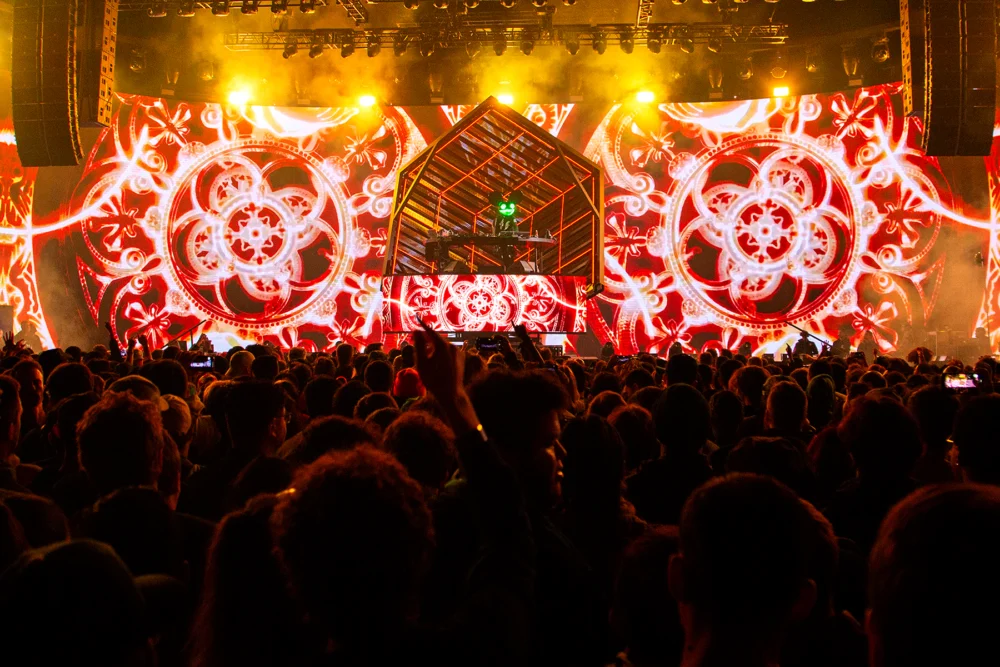
HangupsMusic.com – Los Angeles, The pulsating heart of electronic dance music, a genre built on innovation and communal experience, finds itself grappling with an insidious new challenge. As nightclubs shutter their doors with alarming regularity and live events face unprecedented disruptions, a digital shadow is stretching across the industry: the rise of "clout deepfakes." This troubling phenomenon, leveraging advanced artificial intelligence and manipulative social media tactics, threatens to dismantle the very foundations of trust and authenticity that underpin the artist-fan relationship and the traditional mechanisms of talent discovery within EDM.
The digital deception manifests in several forms, each more sophisticated than the last. Initially, the trend began with a relatively straightforward, albeit dishonest, practice. Aspiring producers, eager to capture a slice of viral fame, would appropriate existing footage of renowned DJs performing to colossal, ecstatic crowds. They would then meticulously overdub their own tracks onto these videos, presenting them on social media as if their music was the very catalyst for the on-screen euphoria. This artifice, designed to mimic widespread popularity, effectively misleads unsuspecting fans and even potentially influential record labels into believing a nascent track or artist is gaining significant, organic traction.
This particular strain of digital fakery gained prominent attention in early January when Alex Pall, one half of the Grammy-winning duo The Chainsmokers, voiced his observations on LinkedIn. Pall described the trend as a peculiar blend of "ingenuity and outright dishonesty," noting its alarming efficacy. He highlighted how, to the casual observer, such doctored clips create the powerful illusion of a song "blowing up, getting played out, building momentum." Yet, as Pall underscored, "it’s not real… It’s just someone pasting their song over a clip and letting the internet fill in the rest." The profound implication, he pondered, was what "support" truly signifies in an era where momentum can be so easily manufactured. Despite the widespread discussion his post ignited, Pall opted not to elaborate further when approached for comment.
The evolution of these "clout deepfakes" has since escalated to a far more sophisticated and concerning level. On February 11, the iconic electronic artist deadmau5, known for his candid and often unfiltered commentary, shared a jarring experience on Facebook. He recounted waking up to an Instagram story from an unfamiliar DJ that featured a fully AI-generated likeness of himself, deadmau5, ostensibly promoting the unknown artist’s music. While the AI-generated voice wasn’t "100%," it was "pretty damn convincing," leaving the veteran producer to conclude, "I’m sure we’re all going to be seeing much more of this."
Speaking from a tour stop in South America, deadmau5 confirmed that the individual behind this AI-powered endorsement was a fan previously unknown to him, emphasizing the ease with which such technology can be weaponized by anyone with access. He acknowledged this was an unprecedented incident for him and his peers but expressed little surprise, attributing it to the rapid advancement of technology and the eagerness of individuals to exploit new digital frontiers. deadmau5 articulated a clear and urgent demand for control: "We need to be in control of our own faces, voices, music, output — what have you. Protections are necessary now more than ever." His sentiment echoes a growing chorus of creators across various industries who find their identities and intellectual property increasingly vulnerable in the age of generative AI.
In direct response to this escalating threat, deadmau5’s legal representative, Dina Lapolt, is spearheading a bipartisan legislative effort. Dubbed the NO FAKES Act of 2025—an acronym for Nurture Originals, Foster Art, and Keep Entertainment Safe—the proposed bill aims to establish robust statutory protections for an individual’s voice and likeness, akin to existing copyright and trademark laws. In an email correspondence, Lapolt articulated the broad scope and critical necessity of the legislation. She emphasized that the bill’s impact extends far beyond celebrity protection, encompassing "athletes and entertainers to journalists to everyday Americans." Deepfakes and voice clones, she warned, possess the power to "wreck careers, scam families, distort public discourse, and leave a trail of exploitation, humiliation, and real emotional harm across the internet." Her urgent call to action underscored the critical need for legal frameworks to catch up with the relentless pace of technological innovation.
However, the rapid acceleration of technology often outstrips the legislative process, creating a persistent gap where new forms of digital exploitation can flourish. According to seasoned observers within the music industry, the emergence of these deepfake tactics is not merely an isolated anomaly but a symptomatic reflection of profound structural changes, particularly within the EDM landscape.
Lawrence Jones, from the U.K.-based management firm Mutual Friends, has witnessed this evolution firsthand. He recalls that as recently as 2015, "vertical video did not exist," and online promotion largely revolved around traditional interviews with digital publications, with video serving as a supplementary element. Today, he notes a stark reversal: video now constitutes "80 percent of it, compared to maybe 15 to 20 percent of it beforehand. It quite literally has flipped on its head." This dramatic shift towards short-form, visually driven content on platforms like TikTok and Instagram has fundamentally reshaped how artists connect with audiences and how their music is discovered.
This transformation in promotional strategies is inextricably linked to broader shifts in the commercial dynamics of EDM. The mid-2010s saw a veritable "gold rush" among major record labels, eager to sign electronic artists not just for album and single releases, but also to leverage their production and remixing talents across their diverse rosters. This era of substantial investment and long-term artist development has largely receded.
Martin Kandja Kabamba, who helms the agency NOAB London, paints a vivid picture of this change. He recounts a time when "every single one of the artists that I was working with was on a major deal." Today, the landscape is dramatically different: "Now, of the 16 artists that I work with, only two of them are in a major deal. Majors aren’t signing electronic music like they were previously. If they do, they’ll sign one single." The economic realities of the modern music industry mean that dance singles, with their potential for quick virality through a single, eye-catching social media video, have become far more attractive investments than costly, time-consuming album rollouts.
Kabamba illustrates this point with a recent anecdote from his roster. An artist who released an album independently last year concluded the cycle reflecting that while the album project was creatively fulfilling, it was "not particularly profitable." They realized they "could have just released a string of singles, and not have to deal with the bigger aspect of building the album." This sentiment highlights a pervasive trend: even artists with the resources and opportunity to create albums are increasingly pivoting towards a "singles economy." This model is deemed significantly more profitable due to how music is consumed on social media, negating the need for extensive, year-long social media campaigns and dedicated teams required for album-length projects.
With major labels largely retreating from comprehensive artist development and the industry increasingly focused on one-shot single deals, the immense pressure to gain visibility now falls squarely on the shoulders of emerging artists. The traditional A&R departments, once tasked with nurturing talent over time, have largely evaporated. This void has created an environment where rapid, attention-grabbing tactics, however ethically questionable, become a perceived necessity.
Kabamba reveals a stark truth about current A&R practices: "The amount of record labels that I know that are signing songs purely based on the fact that there is a reaction to it in a clip — that’s probably the number-one way of signing dance music at the moment." This reliance on viral social media reactions as a primary metric for talent acquisition fundamentally reshapes the artist pipeline. If immediate virality replaces genuine artistic development and sustained creative growth, it inevitably fosters a culture where "gaming the system" becomes an attractive, if morally ambiguous, strategy.
The bar for an emerging artist to even register on the radar of industry gatekeepers is staggeringly high. Kabamba estimates that "ten million views-plus" is the minimum threshold for an artist to garner any significant notice. Anything below that, he states, "on social [media] is like a drop in the ocean." This astronomical requirement for visibility creates an immense incentive for shortcuts, making the temptation to resort to fake endorsements and manufactured clout almost irresistible for those striving to break through.
The proliferation of these digital deceptions raises a critical question: Are these tactics merely a fleeting aberration, the misguided experiments of inexperienced newcomers? Kabamba’s sobering assessment suggests otherwise. "In many ways," he concludes, "these are the ropes." This perspective indicates that rather than being an temporary detour, the art of digital manipulation and the pursuit of manufactured virality are becoming deeply embedded, perhaps even normalized, within the very fabric of artist development and promotion in the contemporary music industry. The challenge now lies in how the industry, artists, and policymakers will navigate this murky new reality, striving to preserve authenticity in an increasingly synthetic soundscape.
