
 By admin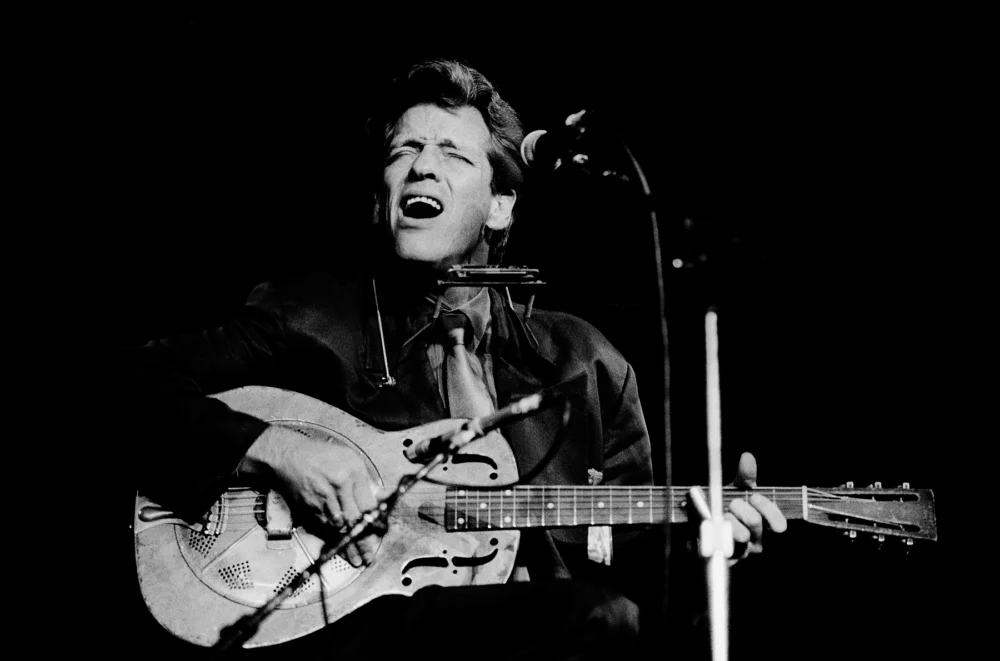
HangupsMusic.com – The world of blues music is mourning the loss of a true torchbearer, John Hammond Jr., who passed away on Saturday, February 28, at the age of 83. A Grammy-winning blues singer and guitarist whose dedication to the Delta blues spanned an astonishing six decades, Hammond’s death was confirmed by his longtime collaborator and fellow musician, Paul James, who received the news from Hammond’s wife, Marla. Initial reports from Billboard Canada indicated the cause of death was cardiac arrest, bringing a sudden and profound end to a life steeped in the raw, authentic sound of American roots music.
The announcement sent ripples of sorrow throughout the global blues community. Paul James, a close friend and musical partner, expressed the depth of his grief, articulating what many felt: “The blues world has lost a giant. I’ve lost my best friend.” James reflected on a lifetime of shared experiences, recalling countless performances and cherished moments captured in photographs. "I’ve just been going through the photos we’ve shared over the years — from the legendary Horseshoe Tavern to Albert’s Hall in Toronto, from London to Montreal, to Edmonton to Ottawa — and each picture tells a story of great music, great people, and unforgettable nights. He was such an inspiration to me, I’ll miss him terribly.” James’s words paint a vivid picture of Hammond’s extensive touring career and the deep personal connections he forged through his music, touching lives on stages across continents.
Born John Paul Hammond on November 13, 1942, in New York City, he carried a name that resonated deeply within American music history. He was the son of the legendary record producer and talent scout John Henry Hammond Sr., a man credited with discovering and championing an extraordinary roster of artists, including Billie Holiday, Count Basie, Bob Dylan, Bruce Springsteen, and Aretha Franklin, among many others. While his father’s legacy cast a long shadow, the younger Hammond carved out his own distinct and equally significant path. From an early age, John Jr. gravitated towards the guitar, a passion that quickly superseded academic pursuits. After just one year at Antioch College in Ohio, he made the pivotal decision to immerse himself fully in the world of music, dropping out to chase the blues muse that had captured his soul. This was a bold move, reflecting an unwavering commitment to his artistic vision, independent of the formidable expectations associated with his family name.
Hammond’s musical identity was forged in a deep reverence for the pre-war blues masters. He was not merely a performer but an interpreter, a conduit for the spirits of figures like Robert Johnson, Muddy Waters, and Lightnin’ Hopkins. His distinctive style blended raw, impassioned vocals with a formidable command of the slide guitar, often performing solo, embodying the very essence of the itinerant bluesman. His playing was characterized by a powerful rhythmic drive and an emotive slide technique that could evoke both despair and jubilation, all while maintaining an authentic connection to the source material. He understood that the blues was not just a genre but a language, and he spoke it with fluency and conviction.
In 1963, Hammond signed with Vanguard Records, a label instrumental in the folk and blues revival of the era. His self-titled debut album was a powerful statement of intent, featuring a carefully curated selection of songs by the very blues giants he admired. Alongside tracks penned by Muddy Waters, Lightnin’ Hopkins, and Robert Johnson, the album also included covers of early rock and roll staples, such as Chuck Berry’s "Maybellene." This blend showcased Hammond’s expansive musical palate, demonstrating his ability to bridge the gap between traditional blues and its evolving contemporary forms, while always grounding his interpretations in a deep respect for their origins. The album was met with critical acclaim, establishing him as a significant new voice in the burgeoning blues scene and laying the groundwork for a career that would span more than five decades.
Over the course of his illustrious career, John Hammond Jr. released over 30 albums, each a testament to his enduring passion and evolving artistry. He was a perennial presence on the touring circuit, performing countless shows and captivating audiences with his electrifying stage presence. His dedication to the craft earned him widespread recognition, culminating in a Grammy Award in 1985 for his performance on the compilation record Blues Explosion. This seminal album captured a memorable live set from the 1982 Montreux Jazz Festival, showcasing Hammond’s dynamic musicianship alongside other blues luminaries. The Grammy win was a significant milestone, cementing his status as a leading figure in the traditional blues landscape.
Beyond this singular win, Hammond received numerous other Grammy nominations, underscoring his consistent excellence and tireless commitment to the blues. His 2009 album, Rough & Tough, earned a nomination for Best Traditional Blues Album, demonstrating his undiminished power and authenticity well into his later career. Other nominated works included You Can’t Judge a Book by the Cover (1993), Trouble No More (1994), Found True Love (1996), Long As I Have You (1998), and In Your Arms Again (1995). These nominations reflect a remarkable consistency in quality and a deep well of inspiration that continued to flow throughout his career. Each album offered a fresh yet familiar take on the blues, always honoring the tradition while infusing it with his unique energy and interpretation.
In 2011, John Hammond Jr.’s profound contributions to the genre were formally acknowledged with his induction into the Blues Foundation’s Blues Hall of Fame. This prestigious honor placed him among the pantheon of blues legends, a fitting tribute to a man who had dedicated his life to preserving and propagating the genre. His induction celebrated not only his musical prowess but also his unwavering commitment to the authenticity and spirit of the blues.
Tributes poured in from fellow musicians and admirers upon news of his passing. George Thorogood, the iconic frontman of George Thorogood and the Destroyers, shared a heartfelt message that encapsulated Hammond’s impact on many of his peers. “For more than 50 years, John Hammond, Jr. was an icon, a professional role model and, most importantly, a friend,” Thorogood wrote. “While we mourn his passing, we celebrate what the man and his music meant to us, and to so many.” Thorogood’s words highlight Hammond’s dual role as both an inspiring artist and a supportive figure within the music community, a testament to his character and the respect he commanded.
John Hammond Jr.’s legacy extends far beyond his awards and accolades. He was a living bridge between the primal sounds of the Delta blues and contemporary audiences, ensuring that the stories, struggles, and triumphs embedded in those chords and lyrics continued to resonate. He influenced countless musicians, both directly and indirectly, by demonstrating the power of authenticity and the enduring vitality of traditional forms. His relentless touring schedule, his collaborations with a diverse array of artists—from Jimi Hendrix (who, ironically, toured as Hammond’s opening act in the mid-1960s) to The Band—and his unwavering dedication to his craft solidified his place as a pivotal figure in American music.
Through his growling vocals, masterful slide guitar work, and deeply personal interpretations, John Hammond Jr. did not just play the blues; he embodied it. He carried the weight of a monumental musical heritage with grace and power, never letting it overshadow his own distinct voice. His passing leaves an irreplaceable void in the blues world, but his music, recorded across dozens of albums and etched into the memories of countless live audiences, will continue to inspire and move generations to come. He was, truly, a keeper of the flame, ensuring the enduring echo of the Delta blues will reverberate for years to come.
