
 By admin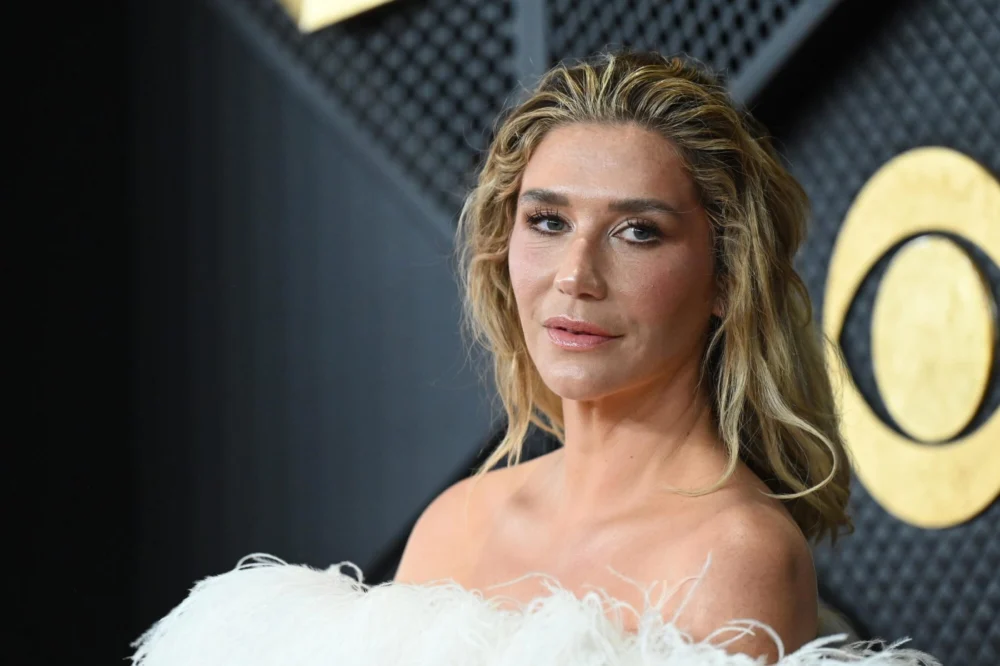
HangupsMusic.com – Pop sensation Kesha has publicly denounced the White House for its unauthorized incorporation of her hit track, "Blow," into an official TikTok video, describing the move as a "blatant disregard for human life." The artist’s powerful condemnation, delivered via social media, marks the latest flashpoint in an escalating series of disputes between prominent musicians and the current administration over the use of copyrighted material in political messaging.
The controversy ignited last month when the White House’s official TikTok account featured Kesha’s 2010 electro-pop anthem. On Monday, March 2, Kesha took to her Instagram Story and X (formerly Twitter) to express her profound disapproval. In a series of unequivocal statements, she accused the administration of leveraging her music to "incite violence and threaten war," asserting that such usage stands in direct opposition to her core values and artistic mission. "I do not approve of my music being used to promote violence of any kind," Kesha wrote, emphasizing that her artistic output is meant to foster connection and joy, not conflict.
"Blow," a high-energy dance track from her debut album Cannibal, is renowned for its celebratory, hedonistic themes, often interpreted as an anthem for defiant self-expression and carefree revelry. Its lyrics, which speak of letting loose and embracing wild nights, stand in stark contrast to any message that could be construed as promoting aggression or political unrest. Kesha’s objection, therefore, isn’t just about copyright infringement but a profound ideological clash, where the spirit of her creation is allegedly distorted for purposes antithetical to her personal and artistic ethos. The idea of a song built around escapism and exuberance being weaponized for political agendas highlights the deep chasm between the artist’s intent and the administration’s deployment.
Adding another layer of severity to her criticism, Kesha directly implicated President Trump, labeling him a "criminal predator." She urged her followers not to be diverted by the TikTok controversy, instead redirecting attention to his extensive mentions in the recently unsealed Epstein Files. While Kesha’s social media post claimed "more than a million times," reports from outlets like The New York Times in early February, following the January document release, clarified that Trump’s name appeared approximately 38,000 times within the public records related to the late convicted child sex offender Jeffrey Epstein. This direct linkage to a highly sensitive and politically charged topic underscores the depth of Kesha’s outrage, framing the music misuse within a broader narrative of what she perceives as moral and ethical failings by the administration.
Kesha’s experience is far from isolated; it represents a continuation of a persistent pattern where the current White House and the Trump administration have faced significant backlash from artists regarding the unauthorized use of their musical works in campaign rallies, promotional videos, and social media posts. This recurring theme has brought to the forefront crucial discussions about artists’ rights, intellectual property, and the ethical responsibilities of political entities in leveraging popular culture.
One notable preceding incident involved pop star Sabrina Carpenter in December. The White House had shared a video on X featuring footage from Immigration and Customs Enforcement (ICE), soundtracked by Carpenter’s song "Juno." The post was met with immediate and fierce condemnation from Carpenter, who branded the video "evil and disgusting." She emphatically demanded that her music not be associated with the administration’s "inhumane agenda." In response to the widespread public outcry and Carpenter’s direct challenge, the White House quietly removed the video, a move often interpreted as an acknowledgment of wrongdoing or an attempt to quell negative publicity.
However, the saga with Carpenter did not end there. Just days after deleting the "Juno" video, the White House engaged in a further provocative act. They released an edited video clip purportedly from one of Carpenter’s Saturday Night Live promotional segments. In the doctored footage, Carpenter appeared to say, "I think I might need to arrest someone for being too illegal." A quick comparison to the original SNL promo revealed the word "illegal" had been digitally altered. In the authentic clip, Carpenter humorously tells SNL cast member Marcello Hernandez that she’s arresting him for being "too hot." This second incident, characterized by deliberate misinformation and manipulation, intensified the outrage, leading to the eventual removal of this edited video as well. Such actions highlight a perceived willingness by the administration to not only use music without permission but also to distort artists’ images and words for political gain.
The list of musicians who have pushed back against the Trump administration’s use of their songs is extensive and growing. Artists like Olivia Rodrigo, known for her candid songwriting and advocacy for youth issues, have spoken out against similar unauthorized uses. Legendary vocalist Celine Dion has also reportedly expressed displeasure, as have rock titans Foo Fighters, who famously issued a cease and desist against the administration’s use of their track "My Hero" at rallies. These artists, representing diverse genres and fan bases, are united in their assertion that their creative works should not be co-opted for political messages that contradict their personal beliefs or public image.
R&B and neo-soul artist SZA articulated a broader sentiment shared by many in the music industry, characterizing these recurrent incidents as a calculated strategy. In a December post on X, SZA critically observed, "White House rage baiting artists for free promo is PEAK DARK." Her comment suggests that the administration might be intentionally provoking artists to generate controversy, thereby drawing more attention to their social media content and potentially gaining "free promotion" through the ensuing media coverage and online discussions. This perspective frames the disputes not merely as oversight but as a cynical tactic to capitalize on viral outrage.
From a legal standpoint, the use of copyrighted music in political contexts is a complex area. While campaign rallies and public events often fall under "public performance" licenses issued by performing rights organizations like ASCAP and BMI, social media posts, especially those integrating music with visual content, typically require a more specific "synchronization" license (sync license) from the copyright holder (usually the publisher and often the songwriter). Political entities often argue for "fair use" exceptions, citing parody, commentary, or news reporting, but courts generally scrutinize such claims closely, especially when the use appears to be promotional or commercial in nature. Artists and their legal teams frequently issue cease and desist letters, but enforcement can be slow, and the damage to an artist’s brand or message can be immediate. The White House’s repeated pattern suggests either a disregard for these legal frameworks or a willingness to test their boundaries, relying on the slow pace of legal action or the eventual capitulation to public pressure.
The digital landscape, particularly platforms like TikTok, amplifies these challenges. The rapid virality of short-form video content means that unauthorized uses can spread globally within hours, making it incredibly difficult for artists to control the narrative or the association of their music. While TikTok does have its own licensing agreements with music rights holders, these agreements typically cover user-generated content for personal, non-commercial use. Official government accounts, especially those engaged in political messaging, operate in a more ambiguous zone, where their "official" status might be seen as requiring more stringent licensing.
As of the time of publication, the White House had not yet removed the "Blow" TikTok video, which had garnered an impressive 1.8 million likes and nearly 17,000 comments. Furthermore, there has been no official response from the White House regarding Kesha’s pointed Instagram Story and X posts. This silence, coupled with the video’s continued presence, leaves the dispute in a state of unresolved tension, underscoring the ongoing battle between artistic integrity and political appropriation in the digital age. Kesha’s forceful stance resonates deeply within the music community, highlighting a collective resolve among artists to protect their creative work from being co-opted for agendas they do not endorse, especially when those agendas are perceived as promoting division or violence.
