
 By admin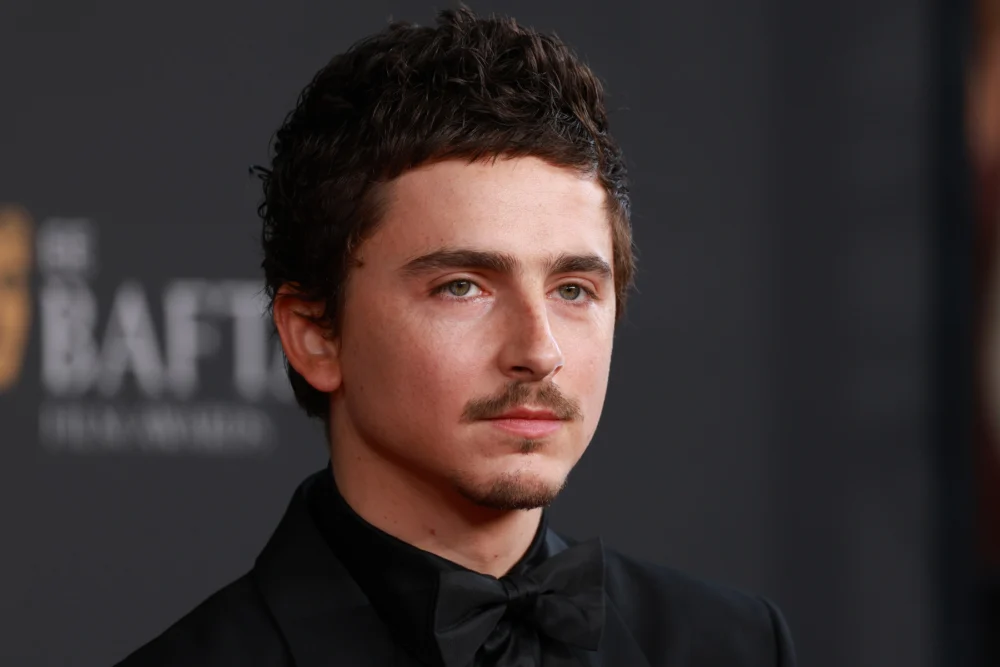
HangupsMusic.com – The world of classical performing arts, encompassing the intricate choreography of ballet and the soaring narratives of opera, has found itself unexpectedly at the center of a cultural discourse, sparked by recent comments from acclaimed actor Timothée Chalamet. What began as a seemingly offhand remark during a February town hall event has escalated into a global conversation, prompting a robust and often witty defense from some of the most prestigious artistic institutions worldwide. The incident highlights not only the enduring passion for these art forms but also the delicate balance between celebrity influence and the nuanced appreciation of artistic heritage in an ever-evolving media landscape.
The genesis of the controversy traces back to a high-profile town hall event in Austin, Texas, co-produced by Variety and CNN. The gathering featured Chalamet alongside fellow Hollywood stalwart Matthew McConaughey, engaging in a candid discussion about their craft, the entertainment industry, and the challenges posed by contemporary audience attention spans. During this wide-ranging dialogue, the topic of maintaining artistic relevance in an era of rapid-fire digital consumption arose. It was in this context that Chalamet, known for his roles in films like Dune and Wonka, made the statement that would soon reverberate across social media platforms and hallowed opera halls alike. He remarked, "I don’t want to be working in ballet or opera. Things where it’s like, ‘Hey, keep this thing alive, even though no one cares about this anymore.’"
The actor, perhaps recognizing the potentially dismissive nature of his words as they left his lips, quickly attempted to soften the blow. He added, with a seemingly sheepish tone, "All respect to the ballet and opera people out there. Damn, I just took shots for no reason." This swift retraction, however, proved insufficient to stem the tide of reaction once his initial comments gained widespread traction. While the town hall itself aired in February, it was weeks later that snippets of the conversation, particularly Chalamet’s controversial remarks, began to circulate globally, igniting a passionate response from the performing arts community.
The ensuing backlash was multifaceted, characterized by a blend of good-natured humor, firm rebuttals, and educational outreach. Major opera and ballet companies, along with individual artists, took to social media to articulate the enduring vibrancy and significance of their art forms, directly challenging the notion that "no one cares about this anymore." Their responses served not only as a defense but also as an invitation, demonstrating the diverse and engaged audiences that continue to flock to live performances.
Among the first to respond was the Los Angeles Opera, which adopted a playful yet pointed approach. On their social media channels, they directly addressed Mr. Chalamet, tweeting, "Sorry, @tchalamet. We’d offer you complimentary tickets to Akhnaten, but it’s selling out. There are a few seats left to purchase if you hurry." This retort was particularly astute, highlighting the commercial success of a contemporary opera, Philip Glass’s Akhnaten, and subtly underscoring that far from struggling for an audience, certain productions are experiencing high demand. It served as a practical counterpoint to the actor’s assertion, illustrating that classical arts are not merely being "kept alive" but are thriving.
Across the Atlantic, London’s prestigious Royal Ballet and Opera joined the chorus, offering a more direct and evocative defense of the live performance experience. Their social media post declared, "Every night at the Royal Opera House, thousands of people gather for ballet and opera. For the music. For the storytelling. For the sheer magic of live performance. If you’d like to reconsider, @tchalamet, our doors are open." This statement elegantly articulated the intrinsic value proposition of ballet and opera: the immersive power of live music, the timeless human stories conveyed through movement and voice, and the unique, irreplaceable enchantment that only a live theatrical event can provide. It was an open invitation not just to Mr. Chalamet, but to anyone who might harbor similar misconceptions about the accessibility and appeal of these art forms.
The conversation quickly extended beyond institutional responses to individual artists who dedicate their lives to these disciplines. Megan Fairchild, a principal dancer with the New York City Ballet, offered a particularly poignant and direct critique via an Instagram video. Her message, addressed directly to "Timmy," challenged the underlying premise of his comments. "Timmy, I didn’t realize you were a world class dancer or opera singer, who simply chose not to pursue it because acting is more popular. Ballet and opera aren’t niche hobbies people opt out of for fame." Fairchild’s remarks cut to the core of the dedication and rigorous training required to excel in ballet and opera, emphasizing that these are not merely alternative career paths chosen for their perceived lack of popularity, but vocations demanding immense talent and sacrifice. She concluded with a plea for solidarity among artists, stating, "Good luck in the Oscar race. Artists supporting artists matters. None of these paths are easy, and there’s no need to put ballet or opera down along the way." Her comments resonated deeply within the artistic community, highlighting the shared struggles and mutual respect that ideally bind all creative endeavors.
Adding a layer of unexpected irony to the unfolding drama was the revelation of Mr. Chalamet’s own family background. As noted by Pointe Magazine, a prominent publication for the ballet world, the actor’s mother, Nicole Flender, boasts a distinguished history in dance. Flender reportedly studied at the esteemed School of American Ballet, a feeder school for the New York City Ballet, and later attended Yale on a dance scholarship. Her career further extended to teaching dance within the New York public school system, indicating a deep and lasting connection to the art form. Furthermore, photographs of Chalamet himself recently surfaced, showing him sporting a New York City Ballet hat. This familial and personal connection prompted many to question whether his comments stemmed from ignorance, a misguided attempt at humor, or a deliberate distancing from a perceived "unpopular" aspect of his heritage. The irony underscored the potential for a disconnect even within families deeply rooted in the arts.
The responses continued to demonstrate creativity and a keen understanding of public relations. The Seattle Opera, for instance, cleverly capitalized on the viral moment by introducing a promotional code: "Timothee." This ingenious marketing tactic turned a potentially negative public relations incident into an opportunity to engage new audiences and drive ticket sales, proving that even a celebrity’s misstep can be repurposed for artistic gain. Meanwhile, the Metropolitan Opera, a beacon of classical music in the United States, offered a concise yet impactful response, echoing Chalamet’s own words with a firm inflection: "All respect to the opera (and ballet) people out there." By tagging the actor directly, the Met underscored its continued vitality and the widespread respect its art form commands.
Beyond the immediate reactions, Chalamet’s comments inadvertently sparked a broader discussion about the perceived relevance of classical arts in the 21st century. In an age dominated by short-form content, instant gratification, and the constant digital deluge, longer, more contemplative art forms like opera and ballet sometimes struggle to compete for attention. However, the outpouring of support following Chalamet’s remarks demonstrated that reports of their demise are greatly exaggerated. Opera and ballet companies worldwide have been actively innovating, incorporating modern technology, commissioning new works, and developing educational programs to engage diverse audiences. They are not merely "keeping things alive" out of obligation but are actively evolving and connecting with new generations.
The incident also served as a powerful reminder of the profound impact of celebrity statements in the digital age. In a world where public figures wield immense influence, their casual remarks can shape public perception, for better or worse. While Mr. Chalamet’s quick apology indicated a lack of malicious intent, the episode underscored the responsibility that comes with a global platform, especially when discussing fields requiring immense dedication and passion.
Ultimately, the brief tempest stirred by Timothée Chalamet’s comments served as an unexpected affirmation for the classical performing arts. It highlighted the fierce loyalty of their practitioners and audiences, the vibrant lifeblood that continues to flow through their venerable institutions, and their readiness to defend their artistic integrity. Far from being relegated to the dustbin of history, ballet and opera demonstrated their enduring power to captivate, challenge, and inspire, proving that even in an era of fleeting attention, the magic of live performance continues to resonate deeply with thousands across the globe. The "shots" taken, however unintentional, only amplified the voices of those who passionately believe in keeping these extraordinary art forms not just alive, but thriving.
