
 By admin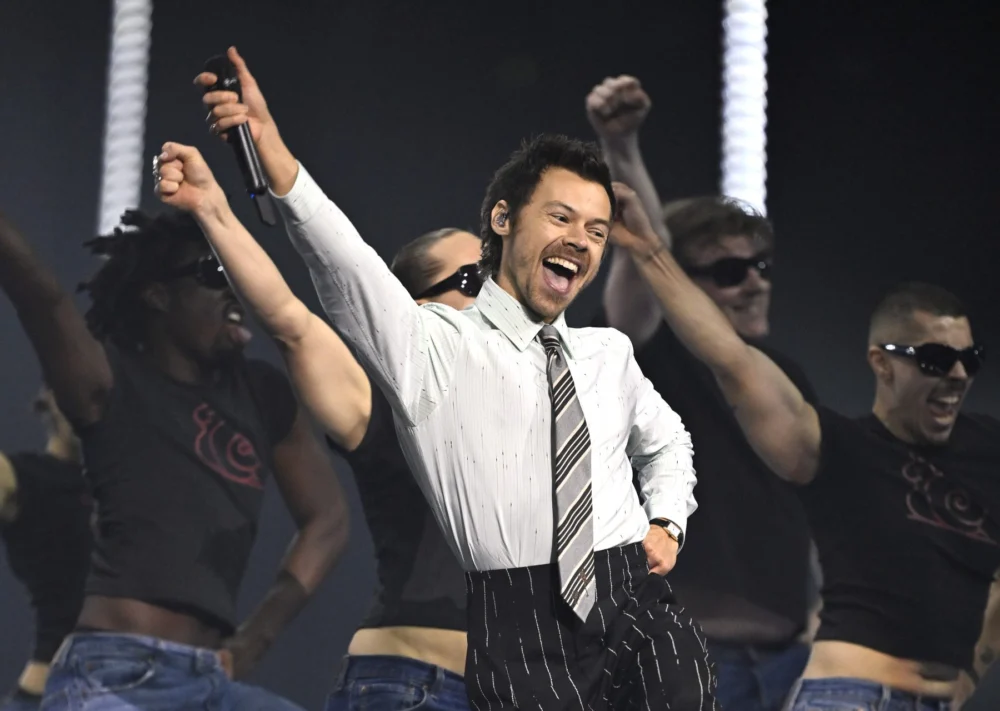
HangupsMusic.com – Harry Styles has officially re-entered the global music stage with his much-anticipated fourth studio album, Kiss All the Time. Disco, Occasionally. Released on Friday, March 6, this new body of work marks a significant departure from his previous material, signaling a bold pivot into the realms of club and indie-dance. Coming four years after his Grammy-winning 2022 blockbuster, Harry’s House, the album’s rollout has been under intense scrutiny, prompting widespread discussion among critics and fans alike regarding its thematic underpinnings, sonic landscape, and overall impact on Styles’ evolving artistry.
The journey leading up to Kiss All the Time. Disco, Occasionally. has been a carefully orchestrated narrative of growth and introspection. Following the unprecedented success of Harry’s House, which solidified his status as a transcendent pop icon, the pressure for Styles to deliver a worthy successor was immense. Harry’s House had not only swept major awards but also spawned a record-breaking global tour, "Love On Tour," which cemented his reputation for vibrant, inclusive live performances. This new album, therefore, carries the weight of massive expectations, tasked with demonstrating artistic progression while maintaining the magnetic appeal that has captivated millions.
The title itself, Kiss All the Time. Disco, Occasionally., immediately suggests a duality and a playful yet profound exploration of modern life and connection. It hints at an embrace of fleeting moments of joy and intimacy, perhaps contrasted with a more deliberate, almost ritualistic engagement with the euphoria of the dancefloor. This thematic core resonates with Styles’ stated intention to celebrate communal experiences and a return to performance after a rare, albeit well-deserved, hiatus. As he navigates his early thirties, the album appears to be a reflection on what truly matters, moving beyond the frenetic pace of global superstardom to a more grounded understanding of personal fulfillment.

Sonically, the shift towards club and indie-dance territory represents an intriguing evolution. Styles has always flirted with diverse genres, from the classic rock leanings of his debut to the folk-pop sensibilities of Fine Line and the synth-infused pop of Harry’s House. Kiss All the Time. Disco, Occasionally., however, commits more fully to electronic textures, pulsating rhythms, and infectious grooves, inviting listeners to lose themselves on the dancefloor. This new direction is not merely a stylistic experiment but a deliberate artistic choice, reflecting a desire to push boundaries and explore different facets of his musical identity. Early singles preceding the album’s full release hinted at this shift, garnering a mixed but generally intrigued reception, setting the stage for the album’s broader narrative.
The two-month period since the album’s official announcement has been a whirlwind of promotional activities, each meticulously designed to build anticipation and define the new era. From enigmatic social media posts to strategic media appearances, Styles’ team has woven a compelling story around the record. A highlight of this campaign was his performance of "Aperture" at The BRIT Awards 2026, held at Co-op Live in Manchester on February 28. This performance became a significant talking point, with audiences debating whether its bold choreography and artistic choices were exhilaratingly innovative or, as some suggested, bordered on the self-indulgent. Such discussions, however, only amplified the album’s visibility and cemented its status as a cultural event.
Beyond the music and performances, the visual elements of the album rollout have sparked considerable public discourse. The album art, often a key indicator of an artist’s vision, has been dissected for its symbolism and connection to the music’s themes. Similarly, a particular promotional image featuring Styles with a conspicuously large spoon became an instant viral sensation, generating memes and widespread speculation about its deeper meaning. These unconventional choices underscore Styles’ willingness to engage with pop culture in unique ways, creating moments that transcend traditional music promotion and embed themselves in the broader cultural consciousness.
Industry experts have been closely monitoring every facet of this rollout, analyzing its effectiveness in propelling Styles’ career forward. On a recent episode of Billboard‘s "Greatest Pop Stars" podcast, host Andrew Unterberger, joined by Billboard staffers Danielle Pascual and Hannah Dailey, offered a comprehensive "Rollout Report Card." The panel delved into various aspects, from the efficacy of the promotional timeline to the coherence of the narrative Styles established for this new era. Key questions examined included the optimal abbreviation for the album title—debating between "KATTDO" and "Kissco"—and whether the album’s visual identity truly aligned with its sonic content.

The podcast also explored the deeper implications of the album’s lyrical content. One recurring question among listeners and critics has been the clarity of the songs’ messages. Do the lyrics offer a transparent window into Styles’ current thoughts and experiences, or do they lean into more abstract, open-ended interpretations? This inquiry is particularly pertinent given Styles’ history of crafting deeply personal yet universally relatable narratives. The panel also touched upon the perceived over-reliance on certain musical tropes, such as the frequent referencing of Tears for Fears’ "Everybody Wants to Rule the World," questioning whether such allusions enhance or detract from the album’s originality.
Another significant element under discussion is the concept of Styles’ "tour-not-quite-tour." Following the epic scale of "Love On Tour," speculation abounds regarding his future live performance plans. A less traditional touring approach could signify a shift in how Styles engages with his audience, perhaps favoring more intimate settings or specialized engagements over stadium spectacles. This strategic re-evaluation of touring post-pandemic and post-blockbuster album reflects a broader industry trend where artists are exploring diverse ways to connect with fans beyond conventional concert circuits. It also raises questions about how this approach might influence the longevity and sustained impact of Kiss All the Time. Disco, Occasionally.
Ultimately, Kiss All the Time. Disco, Occasionally. represents a pivotal moment in Harry Styles’ career. It is an album that dares to redefine his sound and image, pushing him further into experimental territory while still aiming for universal appeal. The ongoing discussions, whether about the album’s catchy abbreviations, the visual quirks of its campaign, or the profound questions it raises about personal evolution and communal joy, underscore the enduring relevance and cultural significance of Harry Styles as a pop artist. His audacious return is not just about the music; it’s about the entire experience—a testament to an artist unafraid to evolve and challenge expectations in an ever-changing musical landscape. As the dust settles on this initial rollout phase, the conversation surrounding Kiss All the Time. Disco, Occasionally. is only just beginning.
