
 By Jeje Sukarno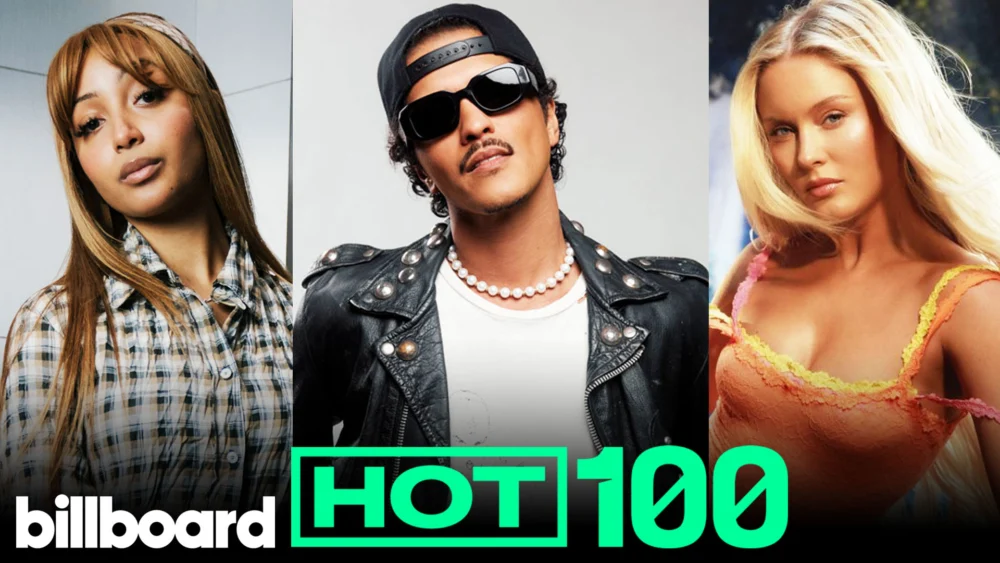
HangupsMusic.com – For decades, the Billboard Hot 100 has served as the definitive barometer of popular music in the United States, a weekly snapshot of what resonates most with the American listening public. More than just a chart, it’s a cultural compass, reflecting shifting trends, the rise of new artists, and the enduring power of established stars. The methodology behind its ranking, while evolving, consistently aims to capture the true consumption of music across various platforms, providing an unparalleled view into the nation’s sonic landscape.
The core of the Hot 100’s influence lies in its comprehensive tracking of song popularity. This isn’t simply about radio airplay, though that remains a significant component. The chart meticulously measures streams from all major digital music services, including subscription and ad-supported tiers, as well as digital song sales, encompassing purchases from online music retailers. This multi-faceted approach ensures that the chart reflects how music is genuinely consumed, whether through active listening, curated playlists, or impulse purchases. The inclusion of streaming data, in particular, has revolutionized the chart’s dynamics, giving a voice to genres and artists who might have previously struggled to gain traction on radio alone.
Each week, the anticipation builds as the new Hot 100 chart is unveiled. It’s a moment eagerly awaited by artists, labels, and fans alike. A top position on the Hot 100 is a career-defining achievement, bringing immense visibility, critical acclaim, and commercial success. For emerging artists, it’s the ultimate validation, catapulting them into the mainstream consciousness. For established superstars, it’s a testament to their continued relevance and ability to connect with new generations of listeners. The chart’s hierarchy can spark passionate debate, fueling discussions about artistic merit versus commercial appeal, and highlighting the ever-evolving tastes of the music-buying public.
The methodology for compiling the Hot 100 is overseen by Billboard, a publication with a storied history in music journalism. Their data partners, such as Luminate (formerly Nielsen Music/MRC Data), provide the raw consumption figures. These figures are then weighted and translated into points, with specific algorithms determining the final ranking. While the exact weighting can be adjusted over time to reflect industry shifts – for instance, the increasing dominance of streaming – the overarching goal remains constant: to present an accurate and representative picture of song popularity. This commitment to data integrity has cemented the Hot 100’s reputation as the industry standard.
Beyond the weekly rankings, the Hot 100 has a profound impact on the music industry’s ecosystem. A high chart position can lead to increased streaming numbers, significant sales boosts, lucrative touring opportunities, and greater media attention. Record labels often strategically time new releases and promotional campaigns to coincide with chart tracking weeks, hoping to leverage the potential for a high debut or a sustained presence. Furthermore, the chart influences music discovery platforms, radio programming decisions, and even the types of music that artists are encouraged to create. It’s a powerful feedback loop that shapes the very direction of popular music.
The Hot 100 is not static; it is a dynamic entity that evolves with the music industry. In recent years, the chart has become more inclusive, reflecting the growing diversity of genres and artists finding success. Hip-hop and R&B have consistently dominated the upper echelons of the chart, showcasing their cultural omnipresence. Latin music has also experienced a significant surge in popularity, with numerous songs achieving chart success, demonstrating a growing global influence. The chart’s ability to adapt to these shifts underscores its relevance and its commitment to accurately reflecting the current state of popular music.
The impact of viral trends and social media on the Hot 100 cannot be overstated. Platforms like TikTok have become powerful engines for song discovery, propelling tracks to viral fame and, subsequently, to the top of the charts. Songs that gain traction through short-form video content can experience explosive growth in streaming and sales, often leading to unexpected chart-toppers. This phenomenon highlights the interconnectedness of music consumption in the digital age, where a song’s journey from obscurity to chart success can be remarkably rapid and unpredictable.
Moreover, the Hot 100 serves as a historical archive of musical tastes. Looking back at the charts from different eras reveals distinct cultural moments and the sonic trends that defined them. From the rock and roll dominance of the 1950s and 60s to the disco era of the 70s, the pop explosion of the 80s, the grunge and hip-hop crossover of the 90s, and the digital revolution of the 21st century, the Hot 100 charts tell a compelling story of America’s evolving musical identity. Each chart is a chapter in this ongoing narrative, capturing the songs that captured the nation’s attention.
The future of the Hot 100 will undoubtedly continue to be shaped by technological advancements and evolving consumer behaviors. As new platforms emerge and consumption habits shift, Billboard will continue to refine its methodology to ensure the chart remains the most accurate and influential measure of popular music. Its enduring legacy, however, is secured by its consistent ability to identify and celebrate the songs that define our times, providing a vital soundtrack to the American experience. The Hot 100 is more than just a list; it’s a living testament to the power and pervasive influence of music in popular culture.
