
 By Azzam Bilal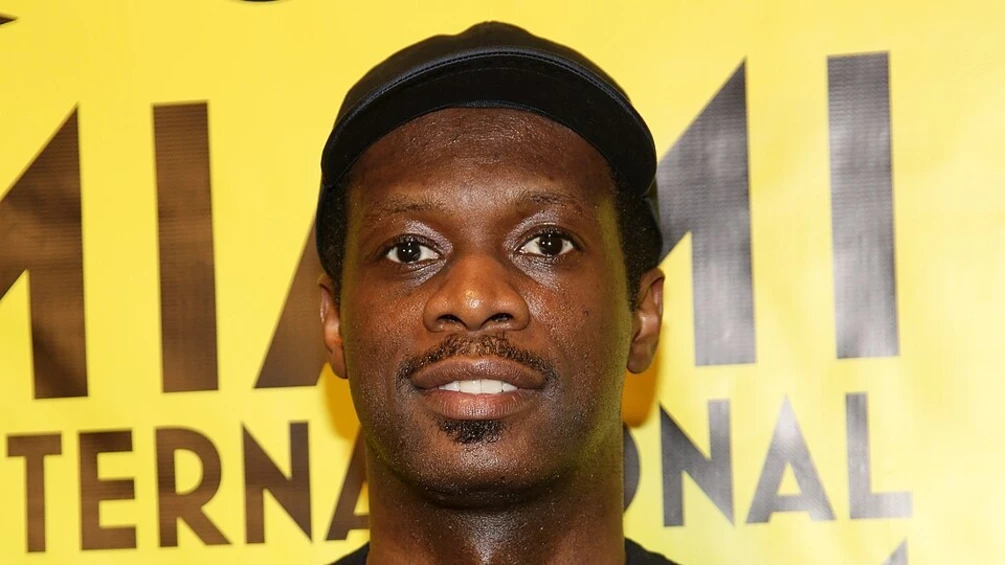
HangupsMusic.com – New York, In a dramatic conclusion to one of the most contentious legal battles in recent hip-hop history, Prakazrel "Pras" Michel has officially abandoned his lawsuit against his former bandmate and Fugees frontwoman, Lauryn Hill. The legal maneuver, which had captivated the music industry since its inception in 2024, effectively ends a bitter dispute over the collapse of the legendary group’s highly anticipated reunion tour. According to documents filed with the US District Court for the Southern District of New York on Wednesday, March 11th, the litigation has been dismissed "without prejudice." This specific legal designation means that while the current proceedings have stopped, the door is technically left open for future filings, though the agreement stipulates that both Michel and Hill must shoulder their own legal expenses, court costs, and attorney’s fees.
The dismissal marks a somber end to what was intended to be a triumphant celebration of the Fugees’ cultural legacy. For years, fans of the seminal trio—comprised of Hill, Michel, and Wyclef Jean—had held out hope for a sustained reunion that would recapture the magic of their 1996 masterpiece, The Score. However, the path back to the stage was fraught with logistical nightmares and interpersonal friction. The initial plans for a 25th-anniversary tour were first announced in 2021, only to be indefinitely shelved in early 2022 as the global COVID-19 pandemic continued to disrupt international travel and venue capacities. When the tour was eventually rescheduled for late 2023, the excitement was short-lived; the plug was pulled on the entire North American leg just three days before the first curtain was set to rise.
Michel’s lawsuit, filed in the wake of that second cancellation, painted a scathing portrait of the internal dynamics governing the group. He alleged that Hill had engaged in a "veiled and devious attempt" to secure an outsized financial windfall for herself at the expense of her partners. The core of Michel’s grievance centered on accusations of financial mismanagement and fraud. He claimed that Hill had misrepresented the underlying economics of the tour, allegedly attempting to claim a 60 percent share of the gross proceeds—a significant departure from the equitable one-third split that had historically defined the group’s business arrangements. According to Michel’s legal team, this left him with a mere 20 percent stake, a figure he argued was both unfair and deceptive.
Beyond the financial disputes, the lawsuit delved into the professional conduct that Michel claimed sabotaged the tour’s viability. He characterized Hill’s "chronic tardiness" as a defining characteristic of their time on the road, asserting that shows frequently began two or more hours behind schedule. This reputation for unreliability, Michel argued, not only frustrated fans but also jeopardized the group’s standing with promoters and insurance providers. Perhaps most controversially, the lawsuit claimed that Hill’s ego had cost the group a massive payday; Michel alleged she rejected a $5 million offer to headline the Coachella Valley Music and Arts Festival because she was unwilling to accept a billing lower than the rock band No Doubt.
The timing of the lawsuit’s dismissal is particularly poignant given Michel’s current personal circumstances. The rapper and producer is currently standing on the precipice of a 14-year prison sentence, which is scheduled to begin next month. His legal troubles are far-removed from the world of music, stemming instead from a high-profile international political scandal. In 2023, Michel was found guilty of criminal conspiracy, acting as an unregistered agent of a foreign government, and illegal foreign lobbying. The charges were linked to his association with the fugitive Malaysian billionaire Jho Low, the central figure in the massive 1MDB sovereign wealth fund scandal.
Prosecutors successfully argued that Michel funneled approximately $100 million from Low into various efforts to influence American political outcomes. This included a clandestine campaign to gain access to the Obama administration during the 2012 re-election cycle and later attempting to lobby the Trump administration to drop investigations into Low and deport a Chinese dissident. The complexity of Michel’s criminal case, which involved testimony from high-ranking political figures and celebrities like Leonardo DiCaprio, stood in stark contrast to the nostalgic aspirations of the Fugees’ reunion. As Michel prepares for more than a decade behind bars, the resolution of his civil dispute with Hill appears to be a necessary closing of books before his incarceration begins.
Despite the animosity documented in the legal filings, the Fugees did manage to offer fans a glimpse of their former glory during the period of the dispute. In September 2023, Hill, Michel, and Jean surprised the crowd at the Global Citizen Festival in New York’s Central Park. The performance was intended to celebrate the 25th anniversary of Hill’s solo magnum opus, The Miseducation of Lauryn Hill, but it quickly transformed into a mini-Fugees set. Seeing the three artists share the stage, performing hits like "Ready or Not" and "Killing Me Softly," provided a brief moment of unity that now seems like a final curtain call. For many, that performance was a reminder of why the world cared so much about their reunion in the first place—the chemistry between Hill’s soulful vocals, Jean’s musical versatility, and Michel’s steady rhythmic presence remains unmatched in the genre.
However, the reality behind the scenes was far less harmonious. Hill’s response to Michel’s original lawsuit was one of firm denial. In public statements and through her representatives, she defended her management of the tour, citing the immense logistical hurdles and her commitment to delivering a high-quality artistic product. Her supporters have long argued that her "tardiness" is a byproduct of her perfectionism and her refusal to compromise the integrity of her live shows. Yet, for Michel, who was facing mounting legal fees from his criminal defense and the looming loss of his freedom, the financial stakes of the tour were existential. The lawsuit was not just a matter of professional disagreement; it was a desperate attempt to secure his financial future before the gates of a federal prison closed behind him.
The Fugees’ story has always been one of immense talent hampered by internal volatility. Their 1996 album The Score remains one of the best-selling rap albums of all time, a multi-platinum landmark that helped bridge the gap between hip-hop, reggae, and soul. Yet, by 1997, the group had effectively disbanded, fueled by the romantic and professional fallout between Hill and Jean. Subsequent attempts to reunite in the mid-2000s were equally short-lived and plagued by reports of Hill’s erratic behavior. This latest chapter, involving federal courtrooms and international conspiracies, is perhaps the most tragic turn in their history.
With Michel’s prison sentence looming and the lawsuit now dismissed, the possibility of the Fugees ever performing together again seems virtually non-existent. The group’s legacy will now likely be defined by the tension between their monumental artistic achievements and the personal discord that prevented them from sustaining that success. For Lauryn Hill, the dismissal allows her to move forward without the shadow of a bandmate’s litigation, though her reputation as a live performer remains a subject of intense debate among fans and critics alike. For Wyclef Jean, who remained largely on the sidelines of this specific legal fight, the end of the lawsuit marks the end of another failed attempt to bring his old friends back together.
As the dust settles on this legal battle, the music industry is left to reflect on the fragility of legacy acts. The Fugees’ reunion was supposed to be a victory lap for a group that changed the sound of the 90s. Instead, it became a cautionary tale of how financial disputes, ego, and external legal crises can dismantle even the most beloved institutions. The dismissal of the lawsuit brings a quiet end to a loud conflict, leaving the music to speak for itself while the individuals involved go their separate ways—one toward a cell, and the others toward an uncertain creative future. The "score" has finally been settled, but not in the way anyone had hoped.
