
 By admin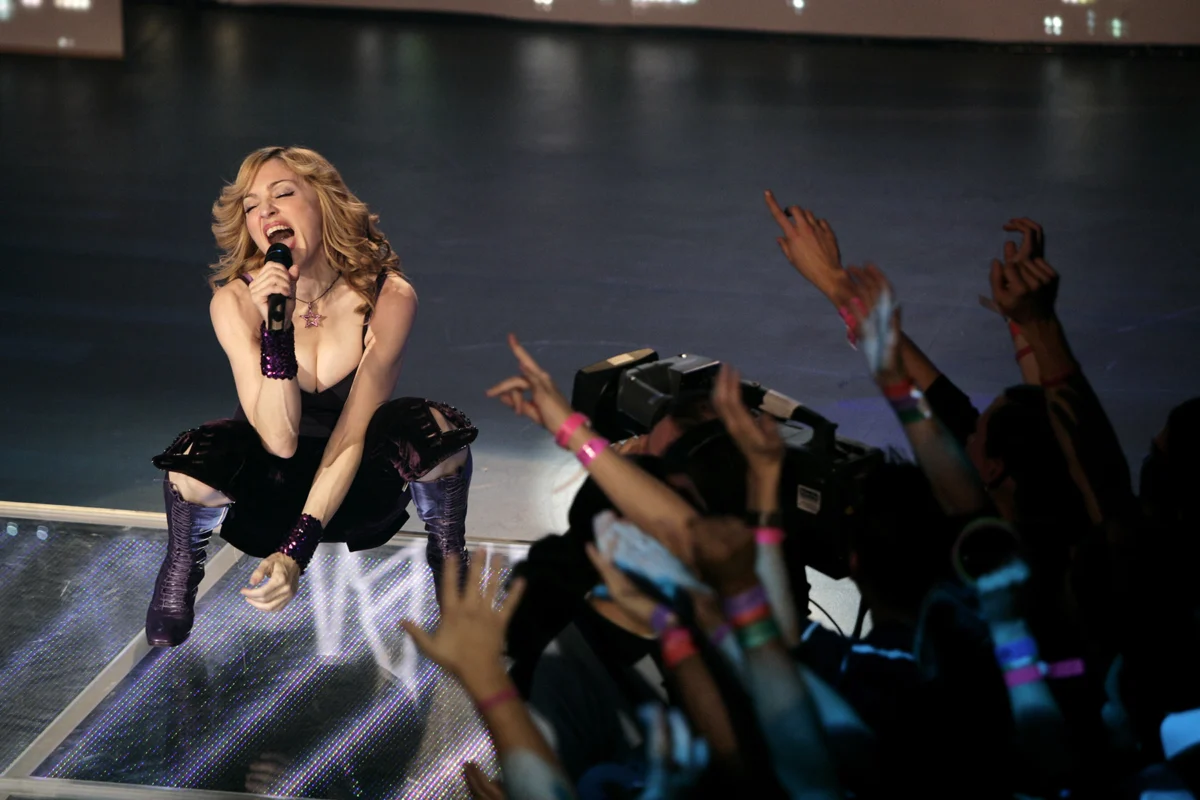
HangupsMusic.com – As the music world anticipates the arrival of Confessions II this week, a timely reflection on Madonna’s original 2005 dance odyssey, Confessions on a Dance Floor, reveals an album that transcended its era, cementing its place as a monumental chapter in the Queen of Pop’s illustrious career. Released on November 9, 2005, the record emerged as a vibrant, unapologetic celebration of disco and electronic music, a deliberate and joyous pivot that redefined Madonna’s trajectory at a pivotal moment.
The genesis of Confessions on a Dance Floor was rooted in a profound shift in Madonna’s artistic outlook. Following her introspective and often politically charged 2003 album, American Life, which explored themes of materialism, war, and the American dream with a more folk-electronic sound, the artist felt a compelling need for a change of pace. In a 2005 interview, she articulated this sentiment clearly: "When I wrote American Life, I was very agitated by what was going on in the world around me. I was angry. I had a lot to get off my chest. I made a lot of political statements. But now, I feel that I just want to have fun; I want to dance; I want to feel buoyant. And I want to give other people the same feeling. There’s a lot of madness in the world around us, and I want people to be happy." This desire for collective catharsis through dance became the guiding principle for Confessions.
Remarkably, over two decades later, this very sentiment resonates with striking relevance. In an increasingly complex global landscape, the yearning for escapism, joy, and collective uplift remains as potent as ever. It is against this backdrop that Madonna prepares to unveil Confessions II, a sequel that promises to revisit the spirit and sonic palette of its predecessor. The original album, a masterclass in dance-pop, gifted the world with global anthems like "Hung Up" and "Sorry," and in doing so, subtly influenced the visual aesthetic of the mid-2000s, reintroducing elements of vintage glam and daring leotards to popular culture through its iconic music videos and subsequent live performances.
Upon its release, Confessions on a Dance Floor was an immediate commercial and critical triumph. It ascended to the coveted No. 1 spot on the Billboard 200, holding the position for a week, and commanded the Top Dance Albums chart for an impressive thirteen consecutive weeks. Its enduring quality was recognized with a Grammy Award for Best Dance/Electronic Album in 2007, solidifying its status as a benchmark in the genre. Its legacy continues to grow, evidenced by staggering streaming figures: the album has accumulated over 1.9 billion official on-demand streams globally, with a significant 315.1 million streams registered in the U.S. alone, according to Luminate data. These figures are not mere statistics; they are a testament to the album’s timeless appeal and its unwavering ability to captivate new generations of listeners.
The sonic architecture of Confessions on a Dance Floor was a meticulously crafted homage to clubland’s golden age, infused with Madonna’s signature contemporary edge. Unlike the more experimental, acid house-tinged soundscapes of her 1998 masterpiece Ray of Light or the electronic folk leanings of Music, Confessions dove headfirst into the pulsating heart of disco and classic dance-pop. The album’s innovative structure, a continuous mix where each track seamlessly blends into the next, created an immersive, uninterrupted dance experience, much like a DJ set designed for perpetual motion. This distinctive approach was largely the brainchild of producer Stuart Price, whose collaboration with Madonna proved to be a stroke of genius. Price, known for his work with numerous electronic acts and his keen understanding of dance music history, was instrumental in shaping the album’s cohesive sound. Their synergy was so potent that Price’s involvement in Confessions II is already sparking considerable excitement, promising a continuation of that magical partnership.

The album opens with the iconic "Hung Up," a track that masterfully samples ABBA’s "Gimme! Gimme! Gimme! (A Man After Midnight)," immediately signaling the album’s disco intentions. The propulsive beat, Madonna’s yearning vocals, and the instantly recognizable sample created an irresistible pull, making it an undeniable global hit. This was followed by "Sorry," another high-energy anthem that further solidified the album’s club credentials with its driving rhythm and infectious chorus. Beyond these singles, Confessions on a Dance Floor offered a rich tapestry of tracks that explored different facets of dance music. "Get Together" showcased a more euphoric, trance-influenced vibe, while "Future Lovers" boldly sampled Andrea Bocelli and combined a classical flourish with a driving electronic beat, exemplifying Madonna’s fearless genre-bending. "Jump" delivered a motivational punch, and "Forbidden Love" provided a deeper, more atmospheric moment within the relentless groove.
Lyrically, the album presented a Madonna both defiant and vulnerable. While the overarching theme was fun and escapism, beneath the shimmering disco beats lay narratives of love, loss, longing, and empowerment. Tracks like "Isaac" delved into spiritual themes, while others spoke to the universal human experience of seeking connection on the dancefloor. This blend of profound introspection with unadulterated joy gave Confessions its depth, ensuring it was more than just a collection of dance tracks; it was a testament to hard-earned wisdom delivered through exhilarating sound.
The visual and promotional era surrounding Confessions on a Dance Floor was equally iconic. The album’s cover, featuring Madonna in a dynamic dance pose, set the tone, while the music videos for "Hung Up" and "Sorry" showcased stunning choreography, vibrant aesthetics, and the sleek, often neon-infused imagery that became synonymous with the era. The Confessions Tour, which followed in 2006, was a theatrical spectacle that further brought the album’s themes to life. It was a visually arresting production, featuring elaborate sets, intricate costumes – including many leotards and period-inspired outfits – and Madonna’s electrifying stage presence. The tour garnered critical acclaim for its innovation and high-energy performances, reinforcing the album’s message of finding freedom and solace on the dancefloor. A memorable early performance at Koko Camden on November 15, 2005, celebrating the album’s release, offered an intimate preview of the spectacle to come, showcasing Madonna’s commitment to delivering an immersive experience.
Madonna’s ability to consistently reinvent herself while remaining at the forefront of popular culture is unparalleled, and Confessions on a Dance Floor stands as a monumental example of this enduring power. After the mixed reception of American Life, Confessions was a triumphant return to form that silenced any doubts about her relevance in a rapidly changing musical landscape. It proved that at over 45 years old, Madonna was not just keeping up with trends; she was actively setting them, reminding the world that the dancefloor was her kingdom. The album’s success not only revitalized her career but also inspired a new generation of artists to embrace disco and electronic influences, underscoring her role as a perpetual innovator.
As Confessions II prepares to debut this Friday, July 3, the legacy of its predecessor casts a long, vibrant shadow. The original Confessions on a Dance Floor was more than just an album; it was a cultural reset, a joyous declaration, and a reminder of music’s profound ability to unite and uplift. It presented a mature artist confidently embracing her roots while pushing forward, delivering an experience that remains as exhilarating and pertinent now as it was twenty-one years ago. The anticipation for Confessions II is not merely for new music, but for the next chapter in Madonna’s ongoing dance with destiny, a chapter that promises to echo the hard-earned wisdom and unadulterated joy that made the original a timeless classic.
