 By Azzam Bilal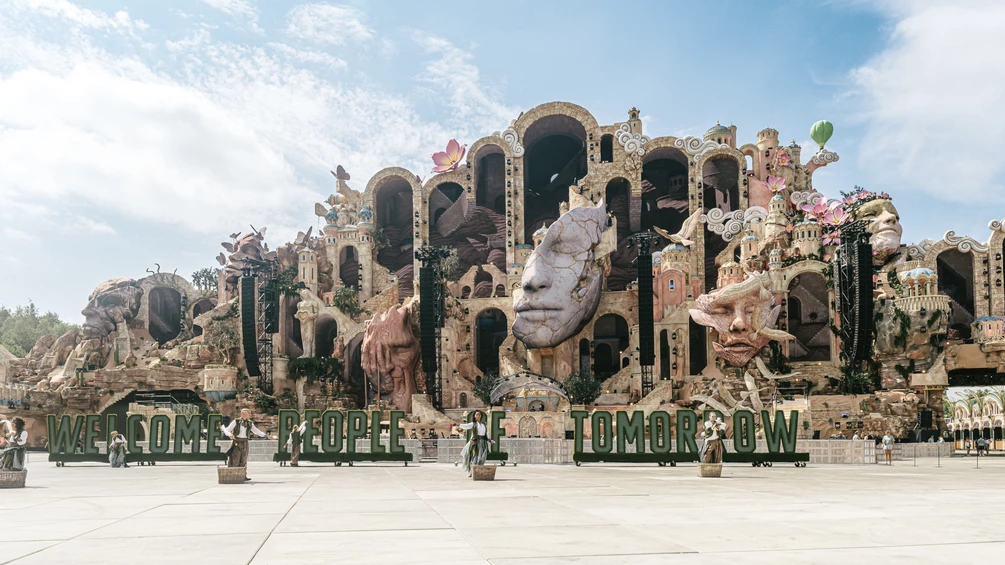
HangupsMusic.com – Boom, Belgium, the small Flemish town known for its quiet brick-making history, has once again transformed into the pulsating heart of the global electronic music scene. As the 2026 edition of Tomorrowland officially commences, the transformation of the De Schorre recreational province into a mythological wonderland is nothing short of breathtaking. This year, the festival organizers have pushed the boundaries of immersive storytelling, creating a multi-sensory environment that transcends the traditional concert experience. Tens of thousands of visitors, colloquially known as the "People of Tomorrow," have descended upon the site, carrying flags from every corner of the globe, signaling the start of a two-weekend journey defined by high-fidelity soundscapes and unparalleled stage production.
The centerpiece of the 2026 gathering is, as always, the Mainstage—a marvel of engineering and artistic vision that remains shrouded in a degree of mystery until the first beat drops. For this edition, the design philosophy appears to lean into "Bio-Digital Synthesis," a theme that marries organic, sprawling flora with hyper-advanced LED integration and kinetic sculptures. Standing over thirty meters tall, the stage serves not merely as a platform for DJs but as a living character in the festival’s narrative. Observers have noted the intricate use of water features and holographic projections that interact with the natural topography of the amphitheater, ensuring that whether a guest is in the front row or at the crest of the hill, the visual impact is uniform and overwhelming.
Beyond the visual spectacle, the 2026 lineup represents a sophisticated curation of the electronic spectrum. While the Mainstage remains the bastion for "Big Room" anthems and global superstars, the secondary stages have seen a significant expansion in both scale and genre diversity. The "Atmosphere" stage, housed within its iconic colossal tent, continues to be a sanctuary for techno purists. This year, the stage features a 360-degree immersive sound system that uses spatial audio technology to move frequencies around the audience in real-time, creating a disorienting yet exhilarating auditory environment. Meanwhile, the "Freedom" stage has evolved into a laboratory for visual artists, where A-list performers collaborate with coders and digital architects to present "live-coded" visual sets that react to the BPM and frequency of the music.
The evolution of Tomorrowland 2026 is also deeply rooted in the technological advancements of the mid-2020s. The festival has moved toward a fully integrated biometric and augmented reality (AR) experience. Attendees utilizing the official festival app can point their devices at various installations to unlock "The Lore of Tomorrow," an AR layer that provides backstories for the various stages and hidden "Easter eggs" scattered throughout the grounds. Furthermore, the 2026 "Pearls" system—the festival’s proprietary cashless currency—has been updated to a blockchain-backed infrastructure, ensuring near-instant transaction speeds even during peak hours, while providing attendees with a digital souvenir of every set they "checked into" via their RFID-enabled wristbands.
Sustainability, a pillar of the festival’s "Love Tomorrow" foundation, has reached new milestones in 2026. The festival site now operates on a localized smart grid, powered largely by the permanent solar array installed on the roof of the "Freedom" stage and various wind turbines strategically placed around the perimeter. The commitment to a circular economy is evident in the catering areas, where every piece of service ware is either compostable or made from recycled ocean plastics. The organizers have also introduced a revolutionary waste-to-energy plant on-site, capable of processing the majority of the festival’s organic waste into power for the DreamVille camping area. This shift toward a "Net Zero" festival model has set a new benchmark for large-scale outdoor events worldwide.
DreamVille, the temporary city that houses over 35,000 residents during the festival weekends, has also seen significant upgrades. In 2026, the accommodation options range from the traditional "Magnificent Greens" camping to the ultra-luxurious "Terra Solis" suites, which offer climate-controlled environments and concierge services. The marketplace at the center of DreamVille has become a cultural hub in its own right, featuring a global kitchen that offers everything from traditional Belgian waffles to high-end vegan gastronomy. The "Gathering," the exclusive opening party for DreamVille residents, has grown in stature, often featuring "surprise" sets from Mainstage headliners that rival the intensity of the main event itself.
The cultural impact of Tomorrowland extends far beyond the borders of Boom. The 2026 edition is being broadcast to millions of viewers via "One World TV" and "One World Radio," utilizing 8K drone footage and multi-channel audio streams. This digital reach has allowed the festival to maintain its status as a global phenomenon, fostering a sense of community among those who could not secure a ticket. The economic benefit to the region is also staggering; hotels in nearby Antwerp and Brussels are at full capacity, and the local transport network has been bolstered by the "Global Journey" program, which includes chartered trains and planes decorated in Tomorrowland livery, bringing fans from as far as Tokyo, Sao Paulo, and Los Angeles.
Security and logistics in 2026 have become more discreet yet more effective. Utilizing AI-driven crowd flow analysis, the festival organizers can predict and prevent congestion before it occurs, ensuring a safe and comfortable environment for all. Medical stations are equipped with the latest in rapid-response technology, and a dedicated "Well-being" zone offers a quiet retreat for those needing a break from the high-decibel environment. This holistic approach to guest management ensures that despite the massive scale of the event, the individual experience remains personal and manageable.
Musically, 2026 is being hailed as the year of the "Genre-Bender." The barriers between house, techno, trance, and even hardstyle have become increasingly porous. Headliners are no longer sticking to a single BPM, instead taking audiences on journeys that span the history of dance music while looking firmly toward the future. The inclusion of more live elements—vocalists, instrumentalists, and even full orchestral sections—has added a layer of prestige to the performances. Notable sets from the opening day have already sparked conversations online, particularly those that utilized the festival’s new "Vocal AI" interface, allowing DJs to manipulate guest vocals live on stage in ways previously thought impossible.
As the sun sets over the Belgian countryside and the first fireworks illuminate the sky, the true essence of Tomorrowland 2026 reveals itself. It is a testament to the enduring power of music to unite people across political and cultural divides. In an era often defined by fragmentation, the "People of Tomorrow" stand together in a field in Boom, sharing a singular, ephemeral moment of joy. The festival is not just a party; it is a meticulously crafted alternate reality that offers a glimpse into a future where technology, art, and humanity coexist in harmony.
As the first weekend progresses, the focus remains on the "Live Updates" coming from the site. Every hour brings a new highlight—a legendary B2B set at the "Rose Garden" stage, a breathtaking drone light show over the lake, or a spontaneous parade through the food courts. The 2026 edition of Tomorrowland is more than a celebration of electronic music; it is a milestone in the evolution of the modern festival, proving that even after two decades, the "Magic of Tomorrowland" is still very much alive and expanding. The journey has only just begun, and for those lucky enough to be within the gates of De Schorre, the world has never felt smaller, or more vibrant.
