
 By Rose Miami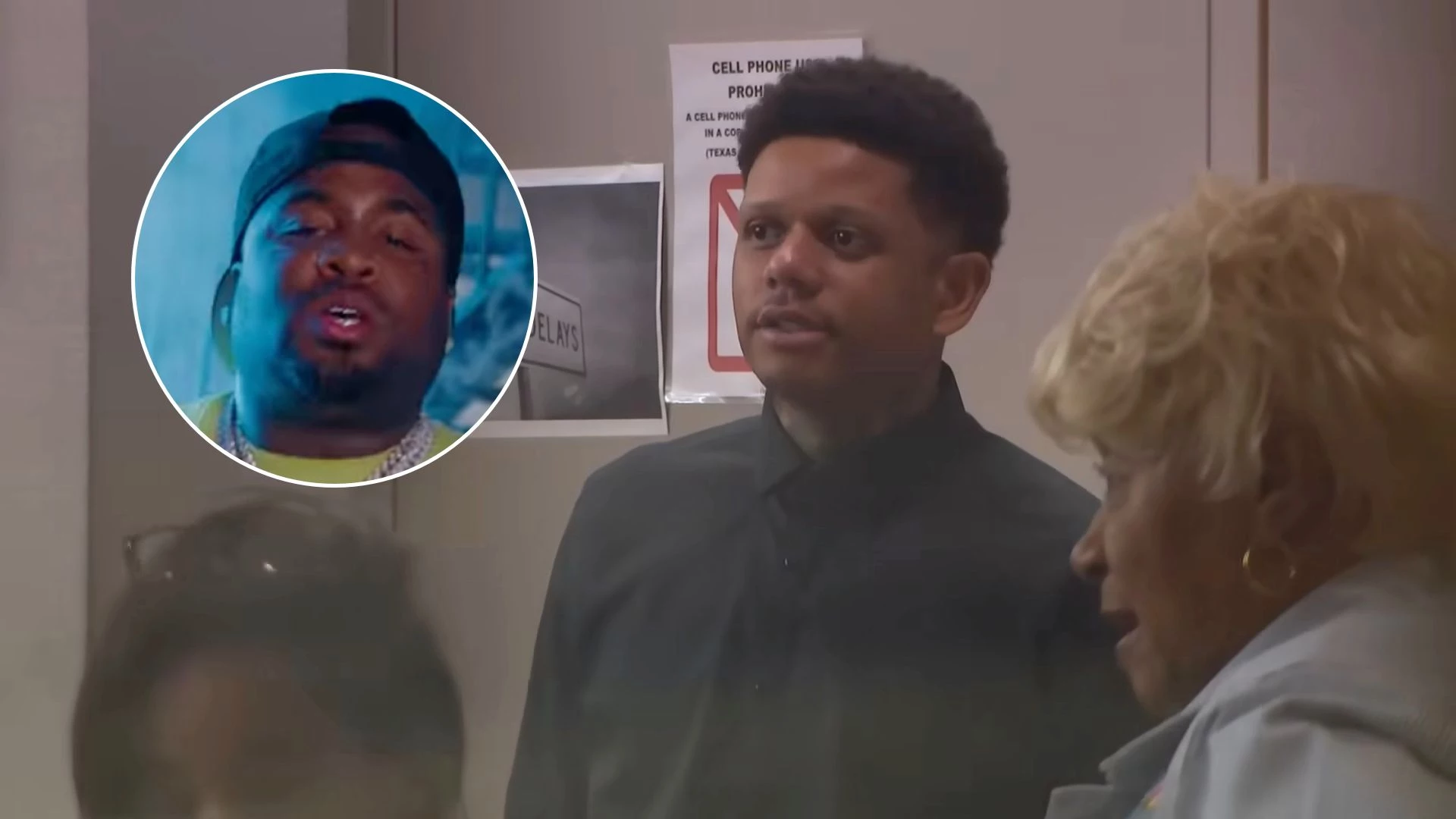
HangupsMusic.com – Dallas, TX, In a critical pre-trial hearing that could significantly shape the upcoming murder-for-hire trial of rapper Yella Beezy, defense attorneys are vigorously opposing the prosecution’s attempt to introduce his song lyrics as direct evidence in the alleged plot to kill fellow artist Mo3. The legal battle centers on whether artistic expression, particularly within the hip-hop genre, can be construed as incriminating testimony.
Detective Eric Barnes, a key figure in the investigation into the 2020 slaying of Mo3, testified last Friday, presenting a series of Yella Beezy’s musical works that he claims contain explicit references to violence and retribution. Specifically, Barnes highlighted three tracks: the 2019 release "Hittas," and two songs from 2020, "Keep It in the Streets" and "On Your Head." According to NBC5’s reporting on the hearing, the detective asserted that these songs contain lyrical content directly correlating to the alleged motive and execution of the murder, citing phrases that, in his interpretation, allude to orchestrating violence and placing financial incentives on an individual’s life.
Beyond the lyrical content, Detective Barnes presented a multi-faceted case to the court, attempting to establish a clear link between Yella Beezy and the alleged shooter, Kewon White. A crucial piece of evidence cited was White’s appearance on stage alongside Yella Beezy at a concert held shortly before Mo3’s death. Barnes argued that this public association indicated a level of trust and collaboration between the two men, suggesting a pre-existing relationship that could facilitate a murder-for-hire scheme. Further bolstering the prosecution’s narrative, the detective referenced an interview Yella Beezy gave to DJ Vlad, where the rapper expressed a desire to "get my lick back." This statement, Barnes contended, demonstrated a clear intent for retaliation against Mo3. The testimony also touched upon a history of animosity between the two artists, including a past concert incident where law enforcement intervention was deemed necessary due to public safety concerns, underscoring the escalating tension between them.
Yella Beezy, whose legal name is Markies Conway, faces a capital murder charge in connection with the 2020 shooting death of Mo3 (real name Melanie Perez). Authorities allege that Conway orchestrated Mo3’s killing as a result of an ongoing feud between the two. Despite the serious accusations leveled against him, Yella Beezy has maintained his innocence. His legal defense team argues that his song lyrics are a form of artistic expression, a common element in hip-hop culture, and should not be misinterpreted as literal confessions or evidence of criminal intent. They contend that introducing such lyrics into the trial would unfairly prejudice the jury against their client, conflating artistic narrative with factual accounts.
The legal proceedings are ongoing, with an additional pre-trial hearing currently underway. The presiding judge has not yet rendered a decision on the admissibility of Yella Beezy’s lyrics as evidence. This ruling is anticipated to be a pivotal moment in the case, potentially influencing the direction of the trial and the evidence presented to the jury. The trial itself is officially slated to commence on August 24th, marking the next significant phase in this high-profile legal battle. The outcome of the judge’s decision regarding the lyrical evidence will undoubtedly have a profound impact on how the prosecution builds its case and how the defense can effectively represent Yella Beezy. The complex interplay between artistic expression and legal accountability in the context of hip-hop remains a contentious issue in the justice system, and this case is poised to add another layer to that ongoing debate. The prosecution’s reliance on lyrical content to establish motive and intent, while defended by Detective Barnes, is being met with staunch opposition from Yella Beezy’s legal team, who are championing the right to artistic freedom of expression. The coming weeks will be crucial in determining how these artistic elements will be weighed against other forms of evidence in the pursuit of justice.
