 By Azzam Bilal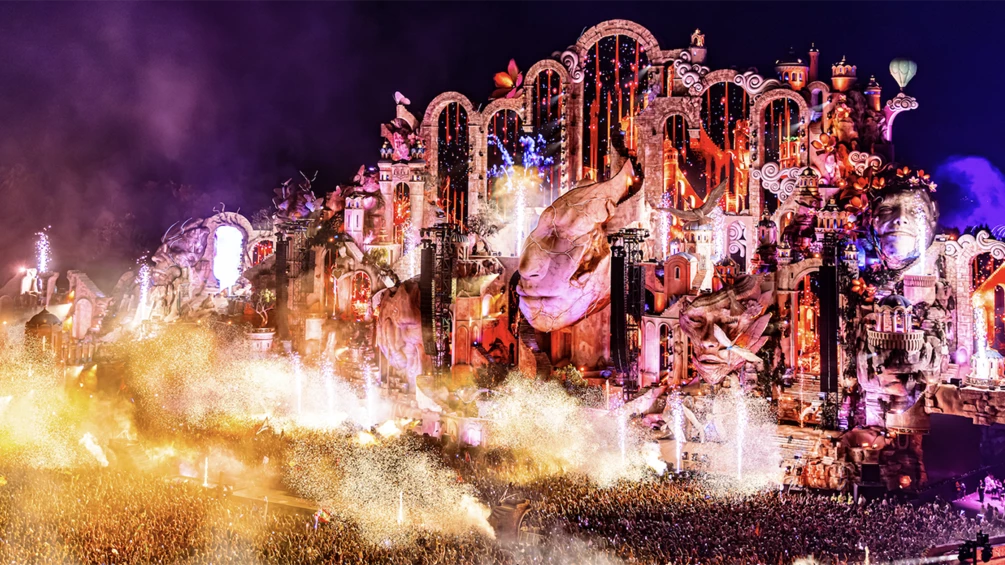
HangupsMusic.com – Boom, the legendary grounds of De Schorre are once again vibrating with the pulse of electronic dance music as Tomorrowland enters its second highly anticipated weekend of 2026. However, the skyline above the festival’s iconic Main Stage will look significantly different this year. Following a series of rigorous safety evaluations and under the direction of local Belgian authorities, the festival organizers have confirmed that the second weekend will proceed without the traditional large-scale, high-altitude firework displays that have long been a hallmark of the event’s closing ceremonies. This decision comes as the region grapples with an intense period of dry weather, elevating fire risks to a critical level and forcing one of the world’s most famous festivals to prioritize environmental safety over visual spectacle.
The restriction is not a total blackout of stage effects, but rather a strategic pivot to more controlled, low-impact pyrotechnics. According to reports from regional outlets, including VRT NWS, the festival has been permitted to use specific T1 and T2 category pyrotechnic effects. These are specialized theatrical tools designed for shorter safety distances and predictable fallout patterns, allowing them to be fully managed by on-site technicians. Unlike the massive rockets that typically illuminate the Boom night sky, these permitted effects will be confined strictly to the Main Stage area. Their deployment is not guaranteed, however, as each day’s usage remains subject to real-time consultations between Tomorrowland’s safety teams and local fire departments, ensuring that any shift in wind or temperature is accounted for before a single spark is ignited.
This heightened state of vigilance follows a similar set of restrictions imposed during the festival’s first weekend. As Belgium remains under a "Code Orange" wildfire risk—the second-highest alert level issued by the state—the provincial government has taken a proactive stance to prevent accidental ignitions in the parched landscape. The local ecosystem, already stressed by a prolonged absence of rainfall, is particularly vulnerable to the stray embers that can occasionally drift from large-scale aerial displays. By limiting the scope of the pyrotechnics, the festival aims to mitigate the "fallout zone" risk, ensuring that the surrounding forests and residential areas remain protected.
The impact of the dry spell extends beyond the stage and into the heart of the festival’s massive camping city, DreamVille. In a move to further reduce the likelihood of accidental fires, the ban on personal barbecues and private cooking equipment remains in effect for the duration of the second weekend. While this changes the traditional social dynamic of the campsite, Tomorrowland has compensated by providing supervised communal cooking zones. These areas are equipped with professional-grade facilities and are monitored by safety marshals, allowing attendees to prepare food in a controlled environment that minimizes the risk of ground-level grass fires.
Despite these logistical adjustments, the musical energy of Tomorrowland 2026 shows no signs of waning. The second weekend, which officially commenced on Thursday, July 23rd, features a lineup that represents the absolute pinnacle of the global electronic scene. Fans are flocking to the various stages to witness performances from industry titans and rising innovators alike. Among the most talked-about sets is the appearance of Calvin Harris, who is making a historic return to the Tomorrowland stage, bringing his radio-ready anthems to a crowd that has waited years for his presence. Joining him on the Main Stage and across the sprawling festival grounds are artists like Armin van Buuren, whose trance legacies continue to define the Tomorrowland experience, and ALOK, the Brazilian powerhouse known for his high-octane "Brazilian Bass" sound and philanthropic efforts within the music industry.
The programming for weekend two also highlights the diversity of the current electronic landscape. Techno enthusiasts are looking forward to the high-energy, psy-trance-infused sets of Indira Paganotto, while fans of melodic house and deep techno are gravitating toward the atmospheric sounds of Miss Monique. The inclusion of Mall Grab ensures that those seeking raw, lo-fi energy and house grooves are well-catered for. The sheer variety of the roster underscores Tomorrowland’s commitment to being a "Global Gathering," even when the physical environment demands a change in how that gathering is celebrated.
The shift in Tomorrowland’s production strategy serves as a poignant reminder of the broader challenges facing the global festival industry. As the climate crisis continues to manifest in more frequent and severe weather patterns—ranging from extreme heatwaves in Europe to torrential flooding at events like Burning Man in the United States—event organizers are being forced to rethink the "bigger is better" philosophy. For years, the industry has relied on massive pyrotechnic displays and elaborate physical structures to create a sense of awe. However, the current situation in Boom suggests that the future of large-scale events may lie in more sustainable, tech-driven alternatives, such as synchronized drone light shows or advanced 3D projection mapping, which offer visual grandeur without the associated fire risk.
Industry experts have noted that Tomorrowland’s transparency regarding these changes is a positive step toward educating the public on the realities of event production in a changing climate. By explaining the difference between high-altitude fireworks and T1/T2 effects, the festival is not only managing expectations but also highlighting the technical expertise required to run a safe event. This level of communication is essential for maintaining the trust of the local community in Boom, which hosts tens of thousands of international visitors every summer and relies on the festival’s organizers to act as responsible stewards of the land.
As the sun sets over the De Schorre park this weekend, the absence of the usual booming finales may be felt by some long-time attendees, but the core essence of the festival remains intact. The "People of Tomorrow" are known for their resilience and their focus on the music and the collective experience. The lack of large-scale fireworks is, in many ways, a small price to pay for the continued existence of the festival in an era where environmental factors are increasingly dictating the terms of public gatherings.
The safety measures implemented for 2026 may very well become the new standard for summer festivals across Europe. With "Code Orange" alerts becoming more common, the industry is watching Tomorrowland closely to see how it maintains its reputation for world-class production while adhering to strict environmental mandates. The success of this weekend will likely influence how other major events, from Glastonbury to Creamfields, approach their own safety protocols in the face of similar meteorological threats.
For the attendees currently on-site, the focus remains on the present moment. From the intricate stage designs that continue to push the boundaries of imagination to the world-class sound systems that deliver crystal-clear audio across the valley, the festival still offers a sensory experience unlike any other. While the sky may be a little darker this year, the spirit of the event—fueled by the performances of artists like Mall Grab, Armin van Buuren, and Calvin Harris—burns as brightly as ever. Tomorrowland 2026 is proving that while you can limit the pyrotechnics, you cannot dim the passion of the global dance music community. As the festival concludes its final days, the emphasis remains on safety, sustainability, and the unifying power of music, ensuring that the magic of Boom continues for generations to come.
