
 By Azzam Bilal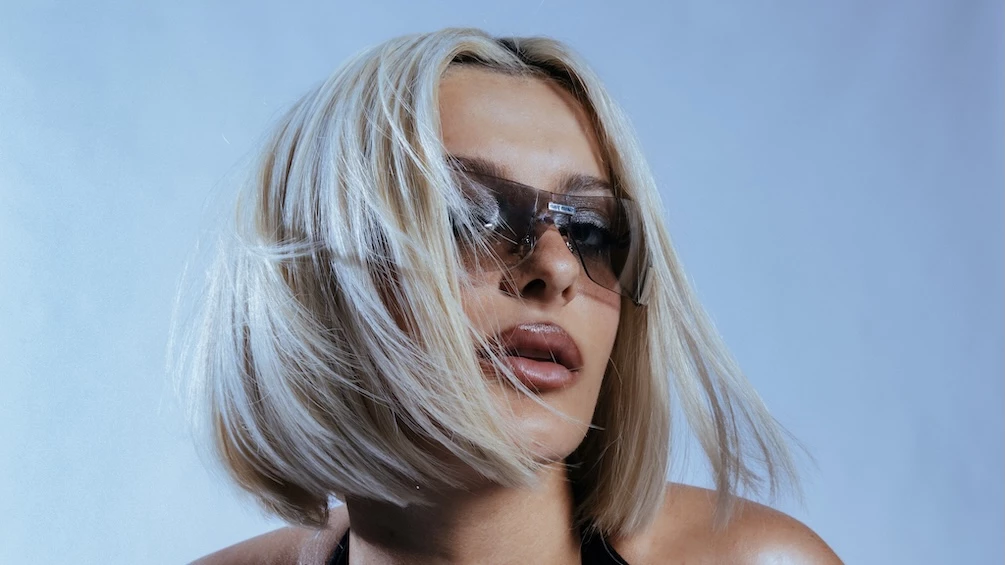
HangupsMusic.com – Boom, Belgium, as the sprawling landscapes of the De Schorre parkland transformed into the epicenter of the global electronic dance music community for Tomorrowland 2026, all eyes were on a specific debut that promised to bridge the gap between radio-ready hooks and mainstage intensity. Bebe Rexha, a powerhouse in the pop world known for her razor-sharp songwriting and versatile vocals, finally stepped into the hallowed grounds of the Freedom stage. While her presence in the dance world has been cemented through years of chart-topping collaborations, this particular performance marked a pivotal moment in her career—a deliberate transition from a traditional pop vocalist to a commanding festival presence capable of holding her own in the high-velocity environment of Tomorrowland.
The journey to this debut was not one Rexha took lightly. Recognizing the unique demands of a crowd that thrives on relentless energy and complex transitions, she sought the counsel of one of the festival’s most enduring icons: David Guetta. The relationship between the American pop star and the French DJ luminary is one of the most fruitful in modern music, spanning several years and producing a string of global hits that have redefined the "slap house" and "future rave" sounds. Their creative partnership reached a fever pitch with the 2022 juggernaut "I’m Good (Blue)," a track that reimagined the Eiffel 65 classic for a new generation. This was followed by the synth-heavy "One In A Million" in 2023 and their more recent atmospheric exploration, "Sad Girls."
Speaking candidly on Tomorrowland’s One World Radio shortly before her performance, Rexha opened up about the trepidation and excitement that comes with reinventing one’s stage persona for a specialized audience. She explained that her vision for the set was far removed from a standard promotional tour stop. Instead, she aimed for a conceptual fusion, describing the desired aesthetic as the metaphorical offspring of a professional DJ and a pop icon. This ambition led her directly to Guetta, a man who has graced the Tomorrowland stages over twenty times and understands the rhythmic pulse of the Belgian festival better than almost anyone in the industry.
Rexha’s plea for guidance was direct, asking Guetta for the essential ingredients required to capture the "Tomorrowland feeling." The advice she received was as succinct as it was demanding. According to Rexha, Guetta told her that the set must be "pure energy" and instructed her to "just go hammer it." This philosophy of uncompromising intensity became the blueprint for her 30-minute appearance. Guetta’s mentorship extended into the technicalities of the set’s pacing, specifically regarding the tempo. When Rexha questioned whether she should incorporate moments of lower intensity to allow the audience to breathe—a common tactic in pop concerts—Guetta was firm in his refusal. He insisted that the momentum should never falter, a directive that Rexha embraced by ensuring every track in her set exceeded the 135 BPM threshold.
The resulting performance on the Freedom stage was a masterclass in high-octane curation. Rexha successfully dismantled the expectations of a "regular pop set," replacing standard arrangements with aggressive, dance-floor-oriented edits. The setlist served as a retrospective of her career, viewed through a distorted, high-speed lens. Her 2015 collaboration with G-Eazy, "Me, Myself & I," which originally leaned into mid-tempo hip-hop and pop sensibilities, was transformed into a high-energy anthem that aligned with the frantic pace of the afternoon. Of course, "I’m Good (Blue)" served as a cornerstone of the set, its familiar melody acting as a catalyst for a massive crowd singalong that resonated throughout the venue.
Beyond her own discography, Rexha paid homage to the foundations of electronic music, weaving in legendary tracks that have defined the genre for decades. The inclusion of Benny Benassi’s "Satisfaction" was a strategic nod to both dance history and her mentor, as Guetta’s own 2022 remix of the track has become a staple in modern festival sets. The industrial, mechanical growl of "Satisfaction" provided a perfect bridge into other high-tempo selections, including the timeless "Sandstorm" by Darude. By integrating these "dance classics," Rexha demonstrated a deep respect for the culture she was entering, proving that her interest in the scene goes beyond mere commercial collaboration.
This year has been one of significant artistic exploration for Rexha in the electronic space. Earlier in 2026, she garnered critical acclaim for her track "New Religion," which featured a sophisticated rework of Faithless’ "Insomnia." By tackling one of the most sacred melodies in dance music history—originally crafted by the late Maxi Jazz and Rollo—Rexha signaled her intention to be taken seriously as a curator of the "new religion" of electronic music. This willingness to experiment with the genre’s DNA was on full display during her Tomorrowland set, where the atmospheric tension of her newer work met the brute force of 135+ BPM percussion.
However, the second weekend of Tomorrowland 2026 has not been without its logistical challenges. While the music remained the focal point, the physical environment of the festival underwent a shift due to external factors. The Belgian government issued a wildfire risk warning following a period of intense heat and dry conditions, prompting the festival organizers to make a difficult decision regarding the event’s signature spectacle. In an effort to prioritize safety and environmental responsibility, Tomorrowland announced that there would be no "large-scale" fireworks displays and significantly limited pyrotechnics for the duration of the second weekend.
For a festival that is world-renowned for its theatrical production and explosive visual storytelling, the absence of massive pyrotechnic displays could have been a setback. Yet, the restriction placed even more emphasis on the sonic quality and the stage presence of the performers. Artists like Rexha had to rely entirely on their musical delivery and the immersive lighting of the Freedom stage to connect with the audience. In many ways, this limitation served to validate Guetta’s advice; when the fireworks are stripped away, "pure energy" is the only thing that remains to sustain the crowd’s enthusiasm.
The evolution of Bebe Rexha from a songwriter-for-hire and pop vocalist to a festival-headlining force at Tomorrowland reflects a broader trend in the music industry. The lines between genres continue to blur as pop artists seek the communal, high-energy experience of the EDM circuit, and DJs look for the narrative depth and vocal prowess that pop stars provide. Rexha’s successful navigation of this transition—aided by the veteran wisdom of David Guetta—suggests that she has found a second home within the electronic community.
As the second weekend of Tomorrowland 2026 continues to unfold, the conversation surrounding the festival remains focused on how artists adapt to the changing landscape of live performance. Whether it is adjusting to strict environmental safety protocols or reinventing a musical style to meet the demands of a specific subculture, the theme of the year seems to be resilience. For Bebe Rexha, the "hammer it" approach proved to be the correct instinct. Her debut was not just a performance; it was a statement of intent, proving that with the right mentorship and a commitment to "pure energy," the transition from pop royalty to dance floor commander is not only possible but incredibly potent. As fans revisit the most-played tracks of the first weekend and look ahead to the remaining sets, Rexha’s high-velocity debut will undoubtedly stand as one of the definitive highlights of the 2026 season.
