
 By Azzam Bilal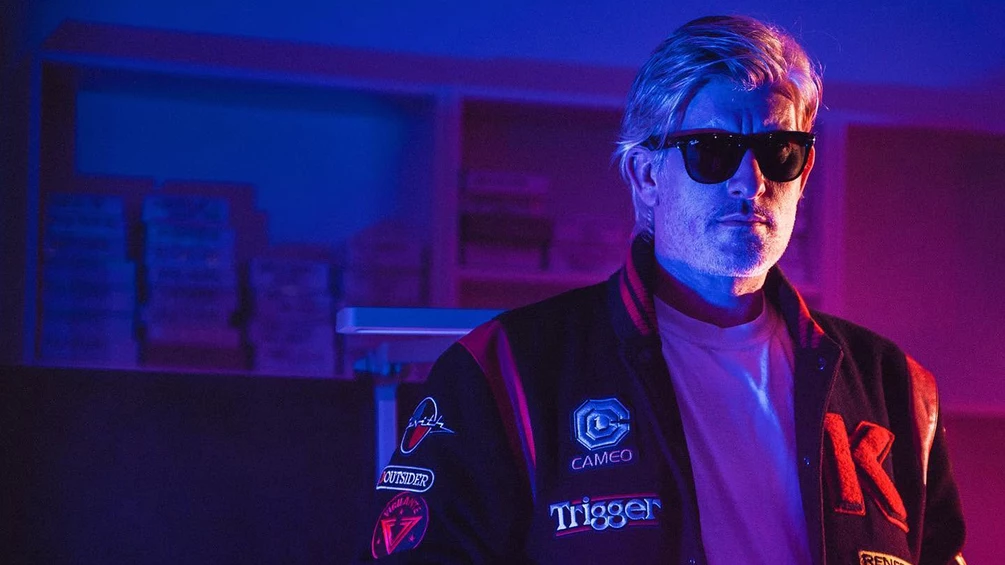
HangupsMusic.com – Paris, The global electronic music community is reeling from the sudden loss of one of its most influential figures, Vincent Belorgey, the French producer and artist known professionally as Kavinsky. Belorgey was discovered deceased in his Paris home on Tuesday evening, July 28th. He was 50 years old. His passing marks the end of an era for the synthwave movement, a genre he didn’t just participate in, but arguably helped define for the modern age. Local law enforcement has initiated a standard inquiry into the cause of death, though early reports from French authorities, relayed via Reuters, suggest that first responders found no signs of suspicious activity or foul play at the scene. As the investigation proceeds, the focus remains on the immense cultural footprint left by a man who turned 1980s nostalgia into a futuristic art form.
The story of Kavinsky is one of accidental genius and deep-rooted friendships within the vibrant Parisian creative scene. Before he was a titan of electronic music, Vincent Belorgey was primarily an actor, appearing in various films and short projects. However, his trajectory shifted permanently in the mid-2000s. Encouraged by his close associates, including Jackson Fourgeaud—better known as Jackson and his Computer Band—and the eccentric filmmaker and musician Quentin Dupieux, alias Mr. Oizo, Belorgey began experimenting with synthesizers and drum machines. It was under their tutelage and through their shared love of analog textures that the persona of "Kavinsky" was born.
The Kavinsky project was never just about the music; it was a conceptual narrative. Belorgey crafted a backstory for his alter ego: a young man who crashed his Testarossa in 1986 and returned as a zombie producer in the 2000s to make electronic music. This commitment to a "retro-futurist" aesthetic became his hallmark. His early EPs, Teddy Boy (2006) and 1986 (2007), introduced the world to a gritty, distorted version of the French Touch sound. These records were characterized by heavy side-chain compression, arpeggiated basslines, and a cinematic sense of dread and wonder that stood in stark contrast to the more upbeat disco-house dominating the charts at the time.
However, it was the year 2010 that would see Kavinsky transition from a cult favorite in the Parisian underground to an international household name. The release of the Nightcall EP changed everything. Produced in collaboration with Guy-Manuel de Homem-Christo of Daft Punk and featuring the haunting, ethereal vocals of Lovefoxxx from the Brazilian band CSS, "Nightcall" was a masterpiece of mood and restraint. Its slow-burning tempo and vocoder-heavy delivery captured a specific kind of urban loneliness that resonated deeply with listeners.
The track’s legacy was solidified when director Nicolas Winding Refn chose it as the opening theme for his 2011 neo-noir masterpiece, Drive. As Ryan Gosling’s nameless protagonist navigated the neon-lit streets of Los Angeles, "Nightcall" provided the perfect sonic backdrop, merging the visuals and audio into a singular cultural moment. The success of the film propelled the song into the stratosphere, making it a definitive anthem for the burgeoning synthwave and "retrowave" scenes. It wasn’t just a hit; it was a blueprint that influenced a decade of fashion, film scores, and graphic design.
Following the explosion of "Nightcall," Kavinsky released his highly anticipated debut full-length album, OutRun, in 2013. Named after the classic Sega arcade racing game, the album was a cohesive exploration of his zombie-driver mythos. Tracks like "Roadgame" and "Odd Look" (the latter of which would later feature a high-profile remix with The Weeknd) demonstrated his ability to blend pop sensibilities with the raw power of electronic rock. During this period, Kavinsky became a fixture on the global touring circuit, sharing stages with the likes of Justice, The Rapture, and his mentors Daft Punk. His live sets were more than just DJ performances; they were immersive experiences that brought his cinematic world to life.
While his output became more sporadic in the years following OutRun, his influence never waned. He became a recluse of sorts, a legendary figure who emerged only when he had something vital to share. This made his 2022 return with the album Reborn all the more significant. Recorded at the prestigious Motorbass Studio in Paris, Reborn saw Belorgey evolving his sound. It was a more polished, sophisticated take on his signature style, moving away from the "zombie" grit toward a more orchestral and refined electronic palette. It proved that he was not a one-trick pony of nostalgia but a serious composer capable of reinvention.
The year 2024 served as a final, triumphant chapter for Belorgey. During the Summer Olympics closing ceremony in Paris, Kavinsky took to the stage to perform "Nightcall" before a global audience of billions. Accompanied by the band Phoenix and the singer Angèle, the performance was a celebration of French musical excellence. Seeing the artist perform his most famous work in the heart of his home city was a full-circle moment, cementing his status as a national treasure and a global icon of the electronic genre. It was a reminder of how one song, born from a niche interest in 80s film scores, could eventually unite the world.
Beyond the music, those who knew Vincent Belorgey often spoke of his humility and his unwavering loyalty to his creative circle. He remained close with the Ed Banger Records crew and the "French Touch 2.0" artists, contributing to a sense of community that defined the Parisian scene for over two decades. He was a man who seemed genuinely surprised by his own fame, often preferring the shadows of the studio to the glare of the spotlight. His acting background gave him a unique perspective on music-making; he viewed albums as scripts and songs as scenes, ensuring that every note served a larger narrative purpose.
The impact of Kavinsky’s work extends far beyond his own discography. The "neon-drenched" aesthetic that is now ubiquitous in popular culture—from the soundtrack of Stranger Things to the visual identity of countless video games and fashion lines—owes a massive debt to the groundwork laid by Belorgey. He validated the idea that the past could be mined not just for kitsch, but for genuine emotional depth. He showed that synthesizers could be used to evoke a sense of yearning and mystery that felt entirely modern.
As news of his death continues to spread, tributes have begun pouring in from across the music industry. Fellow producers, filmmakers, and fans are sharing stories of how his music served as the soundtrack to their own lives. Whether it was a late-night drive, a moment of creative inspiration, or the simple joy of hearing a perfectly crafted synth line, Kavinsky’s work touched millions. He managed to create a character that was immortal, and through his music, Vincent Belorgey has achieved a similar kind of permanence.
The loss of Kavinsky leaves a void in the electronic world that will be difficult to fill. He was a bridge between the analog and digital eras, a storyteller who used sound instead of words, and a pioneer who stayed true to his vision regardless of prevailing trends. While the "zombie" driver may have reached the end of his road, the transmission he left behind will continue to echo through the speakers of night-time travelers for generations to come. We will continue to monitor the situation in Paris and provide updates as more information regarding his passing and planned memorials becomes available. For now, the music world stands still, listening once more to the fading echoes of a night call that arrived far too soon.
