
 By Rose Miami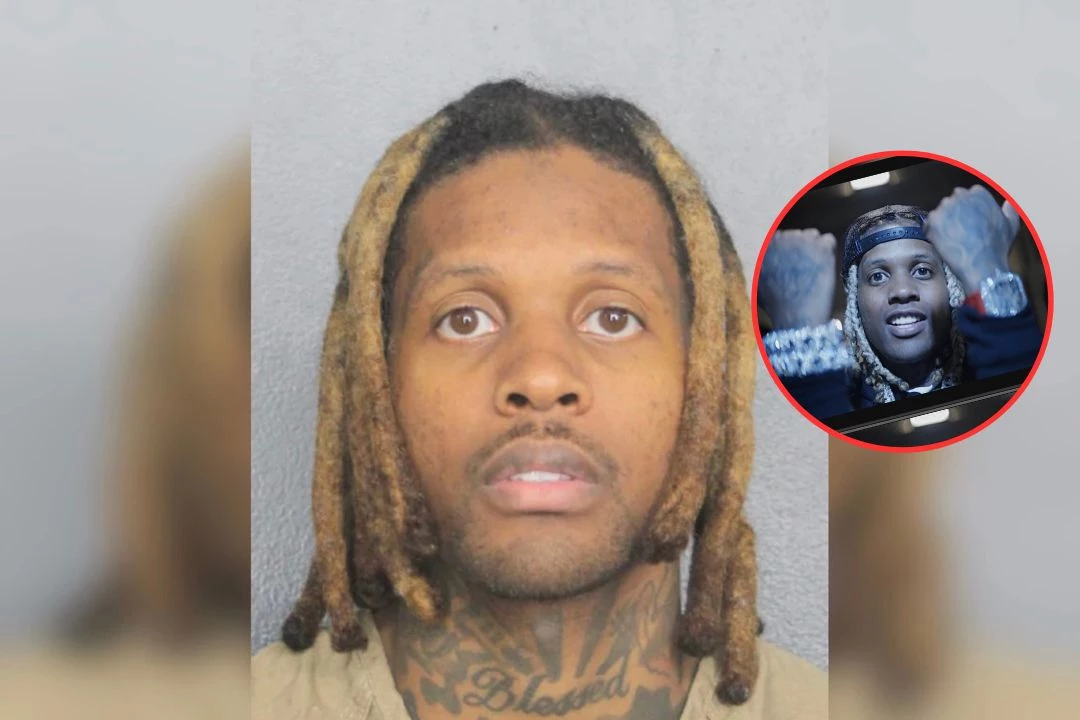
HangupsMusic.com – As the August 20th start date for Lil Durk’s highly anticipated murder-for-hire trial looms, prosecutors have strategically filed a series of motions, one of which seeks to introduce a specific music video into evidence. The prosecution’s request to present the visual for Durk’s 2021 track "Pissed Me Off" to the jury is intended to establish a pattern of retaliatory intent, particularly in relation to the death of his close associate, King Von. This move highlights a growing trend in legal proceedings where artistic expression is scrutinized for its potential to reveal criminal predispositions.
The Chicago rapper, whose legal name is Durk D. Banks, faces grave accusations that he orchestrated a murder-for-hire plot in 2022. The alleged target was Quando Rondo, a rapper with ties to the associate, Timothy Leeks, who fatally shot King Von in November 2020. Prosecutors contend that "Pissed Me Off," released a year after Von’s demise and featured on Durk’s album 7220, contains lyrics that directly correlate with this alleged motive. The song’s release timing, coupled with its lyrical content, is seen by the prosecution as a crucial piece of evidence demonstrating Durk’s purported desire for retribution.
The lyrics in question, as presented by the prosecution, include lines such as, "Boy, no cap, I got killers that I love and they don’t rap," and more pointedly, "If I die, just don’t lie, man, you nias better slide / If you can’t get the main nia, then you better get his guys." These verses, the prosecution argues, are not merely artistic embellishments but rather a direct expression of his willingness to mobilize his network for violent action in defense of his associates and in response to perceived slights. The accompanying music video further bolsters this argument, depicting Durk in possession of substantial sums of cash and making gestures that the prosecution interprets as simulating the firing of a weapon. These visual elements, they believe, reinforce the lyrical themes and paint a picture of readiness for violence.
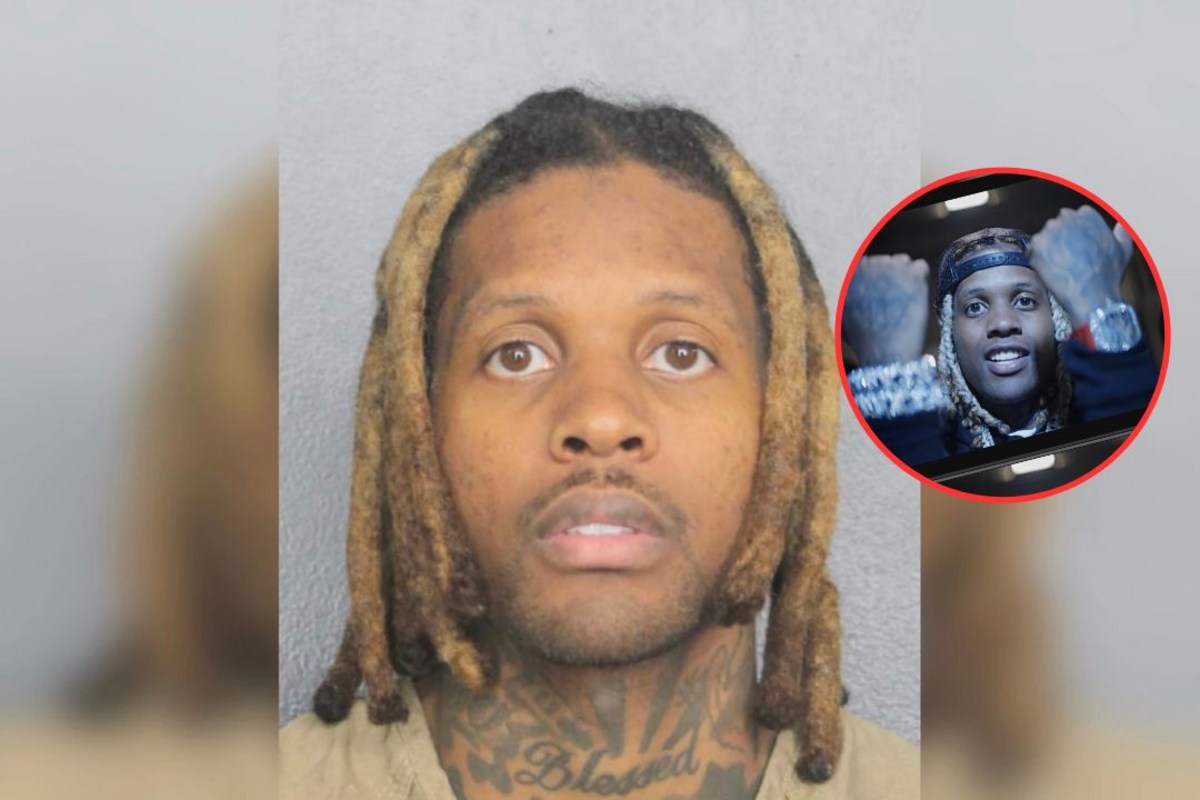
Lil Durk’s defense team, however, has vehemently opposed the introduction of his music and music videos as evidence. Their stance centers on the argument that creative works, by their very nature, are distinct from factual confessions or direct evidence of criminal intent. They assert that artistic expression, particularly within the hip-hop genre, often employs hyperbole, storytelling, and metaphorical language that should not be conflated with literal declarations of criminal activity. The defense has consistently maintained that interpreting song lyrics as autobiographical confessions is a mischaracterization of the art form and an unfair prejudice against their client.
Beyond the contentious issue of the music video, the defense has also lodged a separate motion seeking to suppress evidence obtained from a cellphone belonging to Lil Durk. Their argument is that the phone and its contents were seized and subsequently searched in violation of his constitutional rights, suggesting an unlawful acquisition of critical evidence. This motion, if successful, could significantly impact the prosecution’s case by removing potentially damaging digital information from consideration.
The legal maneuvering leading up to the trial is intense, with both prosecution and defense attorneys actively shaping the narrative and the evidence that will be presented to the jury. A significant hearing is scheduled for August 13th, before U.S. District Judge Michael W. Fitzgerald, where several of these crucial motions are expected to be argued. This hearing will likely determine the admissibility of key pieces of evidence, including the "Pissed Me Off" music video, and could set the stage for the subsequent trial.
The murder-for-hire trial itself is slated to commence on August 20th. The proceedings are expected to draw considerable attention, given Lil Durk’s prominent position in the music industry and the serious nature of the charges he faces. The court’s decisions regarding the admissibility of his music and the validity of the cellphone evidence will be critical factors in the unfolding legal battle. The case underscores the complex intersection of artistic expression, personal association, and the law, raising profound questions about how creative output should be weighed within the justice system. The outcome of these preliminary motions will undoubtedly play a substantial role in the direction and potential resolution of Lil Durk’s trial.
