
 By admin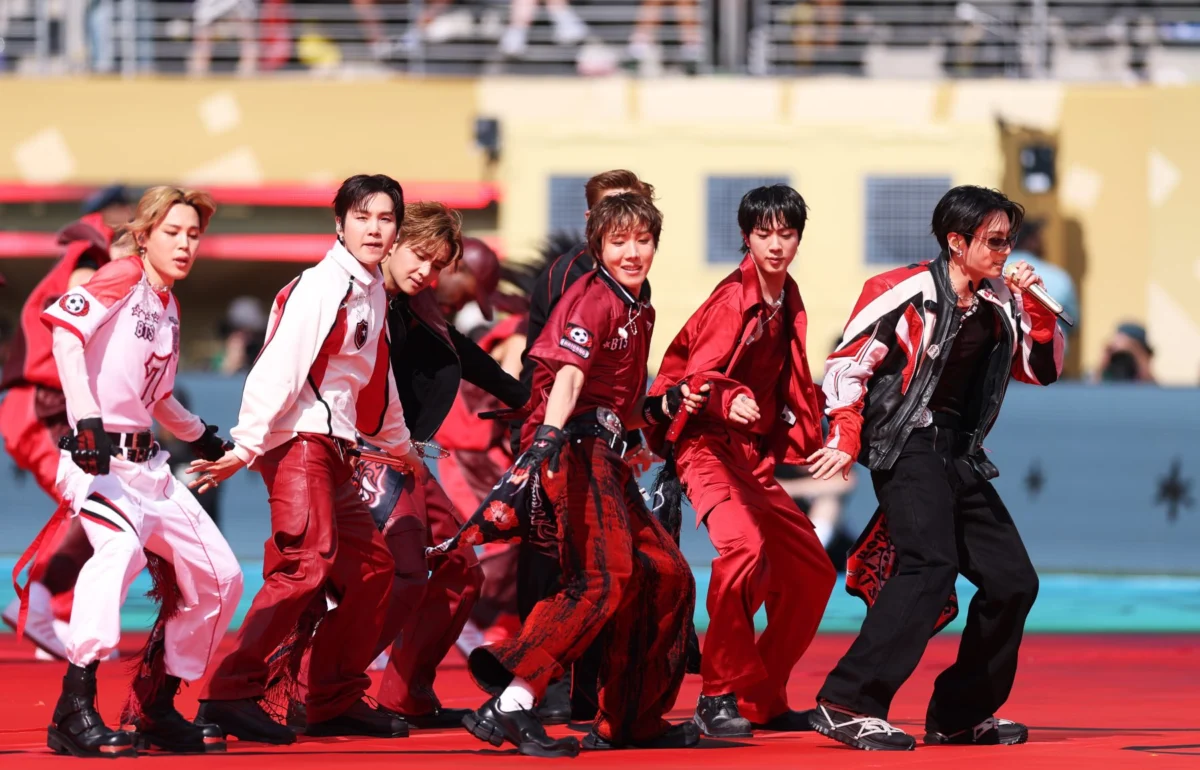
HangupsMusic.com – Baltimore, Maryland, the vibrant port city, braced itself for an unprecedented wave of excitement and cultural impact as K-pop titans BTS arrived to kick off the first of their two highly anticipated concerts at M&T Bank Stadium on Monday, August 10, 2026. The air in Charm City was thick with anticipation, adorned with purple banners and the fervent chants of the BTS ARMY, the global fanbase whose dedication rivals the scale of the group’s monumental success. This stop on their "ARIRANG World Tour" was more than just a concert; it was a cultural event, drawing fans from across the nation and beyond, promising an economic boon and an unforgettable spectacle. The energy was palpable long before the gates opened, with fan-organized gatherings, merchandise pop-ups, and impromptu dance parties transforming the stadium district into a miniature festival celebrating the septet’s global appeal.
Adding to the celebratory atmosphere, Maryland Governor Wes Moore extended a warm, official welcome to the K-pop supergroup. In a cleverly produced video shared across social media channels, Governor Moore was seen dancing out with a wide smile, white corded earbuds visibly bumping to the infectious beat of BTS’s 2021 Billboard Hot 100 chart-topper, "Butter." This high-profile, engaging gesture underscored the significant cultural footprint BTS has carved out, transcending entertainment to become a diplomatic and social phenomenon. Moore’s video, which included Korean subtitles, specifically called out each member – Jung Kook, V, Jimin, Suga, RM, Jin, and J-Hope – by name, acknowledging their individual contributions to the collective’s power. He articulated the group’s broader mission, stating, "Seven guys with one mission – bringing the world together and transcending cultural, geographical and language barriers. That’s pretty dope." Concluding his message with an enthusiastic "Welcome to Baltimore, y’all!" and a rallying cry for the ARMY to "make some noise," the governor’s welcome served as a testament to the group’s ability to unite diverse audiences and even prompt civic leaders to engage with contemporary pop culture in novel ways. The move was widely praised by fans and observers alike as a progressive and culturally savvy recognition of BTS’s global influence and the sheer magnitude of their fanbase.
The Baltimore dates are a pivotal part of BTS’s colossal world tour, launched in support of their critically acclaimed 10th studio album, ARIRANG. The album, released earlier this year, has been lauded by critics for its ambitious blend of traditional Korean musical elements with cutting-edge global pop production, showcasing the group’s continued artistic evolution and their deep roots in Korean heritage. Tracks from ARIRANG are said to explore themes of identity, belonging, and the journey of self-discovery, resonating deeply with their diverse fanbase while pushing musical boundaries. Following two sold-out nights at Foxborough, Massachusetts’ Gillette Stadium last week, the Baltimore shows continue a relentless North American leg. After Tuesday’s second performance in Maryland, the group will journey to Arlington, Texas, for a double-header at AT&T Stadium on August 15-16. Their North American itinerary will culminate with two nights in Toronto (August 22-23) and Chicago (August 27-28), before concluding with a grand finale of four electrifying performances at SoFi Stadium in Inglewood, California, on September 1, 2, 5, and 6. Beyond North America, the tour is slated to conquer South America in October, followed by extensive dates across Asia and Australia throughout late 2026 and early 2027, solidifying their status as one of the most globally impactful touring acts in music history. The sheer scale and meticulous planning of the "ARIRANG World Tour" underscore not only BTS’s immense popularity but also the sophisticated infrastructure of their management, HYBE, in orchestrating such a monumental global endeavor.

Amidst the tour’s triumph, BTS recently ignited a significant industry conversation by announcing their decision not to submit their music for consideration at the upcoming 69th Grammy Awards. This move, conveyed through identical statements posted by all seven members on their individual Instagram accounts, sent ripples throughout the music world. The group’s message expressed a profound hope that "music can be heard and loved for what it is, rather than being divided by region or language." While the statement deliberately avoided specific categories or referencing their past Grammy experiences, the underlying sentiment was clear: a challenge to the perceived categorizations and cultural barriers within established Western music awards. This decision by a group of BTS’s stature carries immense weight, given their history with the Recording Academy, which includes multiple nominations in previous years, often in categories that many fans and critics felt did not fully acknowledge their broader artistic merit or global chart dominance. Despite performing at the Grammys and securing nominations, a win in a major "General Field" category (Record of the Year, Album of the Year, Song of the Year) has eluded them, leading to ongoing discussions about the Academy’s inclusivity and understanding of global music phenomena.
The timing and nature of BTS’s statement appeared to be a direct response to the Recording Academy’s recent introduction of five new Grammy categories in June, most notably the "Best Asian Pop Music Performance" category. Critics have long debated whether such geographically or ethnically specific categories truly honor diversity or inadvertently ghettoize artists from non-Western markets. In an effort to clarify the group’s position, their management company, HYBE, subsequently issued a statement noting that this was "not a company-wide boycott" and that neither BTS nor the label had urged other artists to follow their lead. This clarification aimed to frame the decision as a personal artistic choice by the members, rather than a broader political movement orchestrated by the label, though its implications for the industry remain significant.
Recording Academy CEO Harvey Mason Jr. addressed the controversy last week, releasing a statement that expressed regret, saying, "I am saddened to hear that BTS has chosen not to participate in the Grammy Awards process this year, but as a music creator, I understand and respect their decision." Mason Jr. went on to provide a detailed clarification regarding the new Asian pop category, asserting that it was "created to celebrate the depth, diversity and extraordinary growth of pop artistry coming out of Asia. The spirit of this new category is to shine a dedicated spotlight on these important artists. More categories mean more artists’ work is recognized. It’s never to divide, but to expand who is recognized by our 15,000 Grammy voters." He further emphasized that submitting music in the new genre category does not preclude an artist from also submitting in General Field categories like Record of the Year, Album of the Year, and Song of the Year. However, the debate continues to rage among industry experts and fans: is adding specific categories truly an expansion of recognition, or does it risk creating a separate, less prestigious tier for artists who have already demonstrated global crossover appeal and mainstream success? BTS’s stance challenges the very premise of such divisions, advocating for a meritocratic system where music is judged solely on its artistic quality, irrespective of origin or language.
This bold move by BTS underscores their consistent commitment to artistic autonomy and their role as cultural trailblazers. Throughout their career, they have not only shattered numerous sales and streaming records but have also used their platform to advocate for self-love, mental health, and global unity. Their decision regarding the Grammys can be interpreted as another powerful statement in this ongoing narrative – a refusal to be confined by labels or perceived limitations. It forces a critical re-evaluation of how major music awards adapt to a rapidly globalizing music landscape, where artists from diverse backgrounds are achieving unprecedented worldwide popularity. As the "ARIRANG World Tour" continues its triumphant run, BTS remains at the forefront of this crucial dialogue, proving that their influence extends far beyond the stage, shaping the future of music recognition and global cultural exchange. Their Baltimore concerts, therefore, were not just a display of their musical prowess and incredible showmanship, but also a live embodiment of the profound global impact and principled stand that define BTS in 2026.
