
 By Rose Miami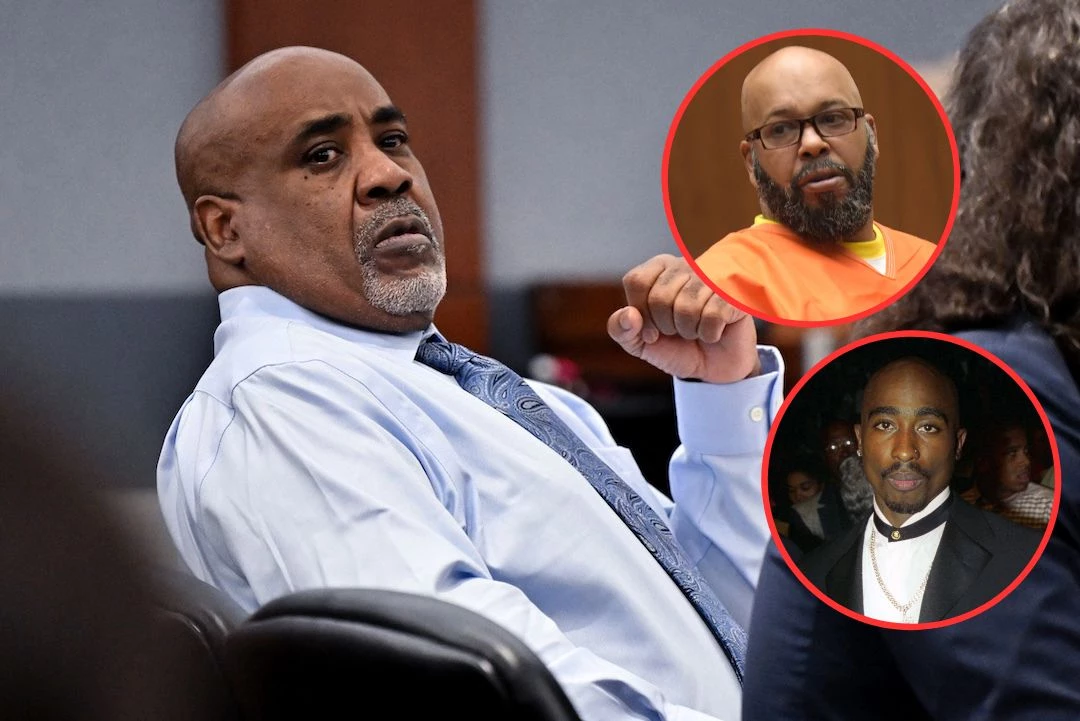
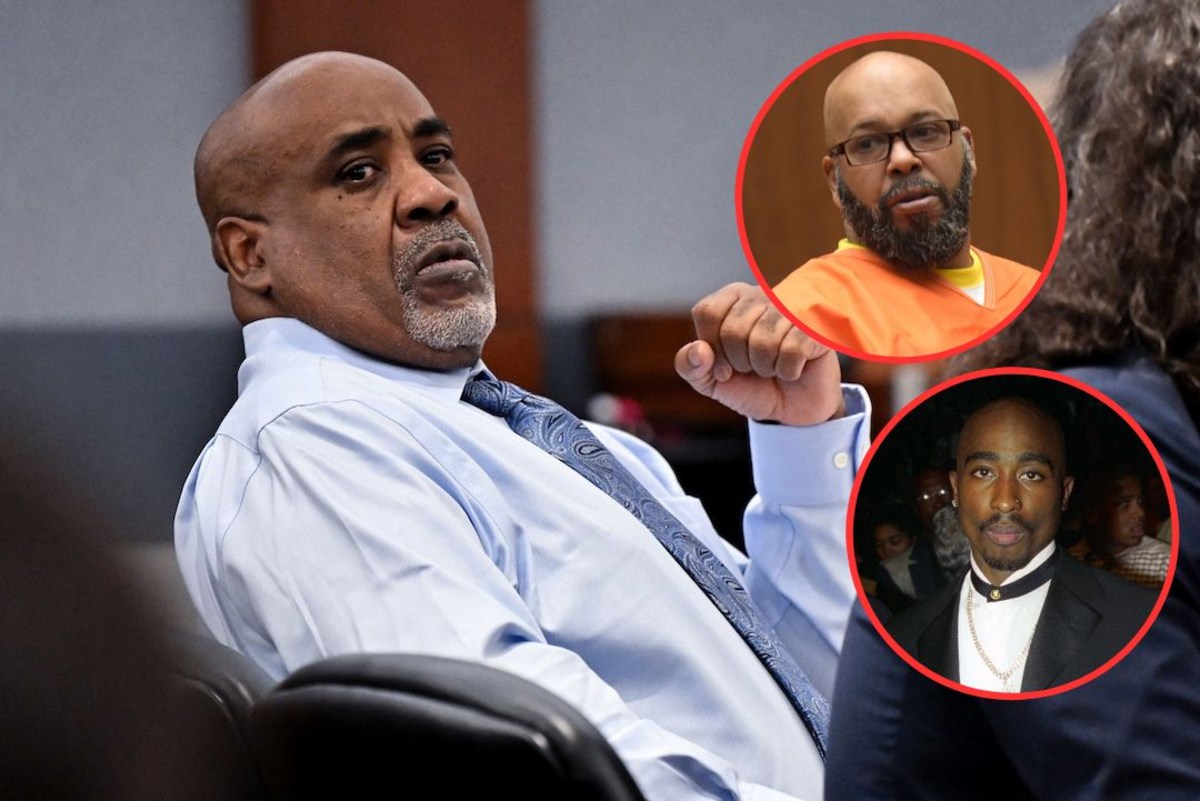
HangupsMusic.com – Las Vegas, NV – As jury selection commences in the highly anticipated murder trial of Tupac Shakur, a prominent figure from the rapper’s past, Marion "Suge" Knight, has emphatically declared his desire to remain completely detached from the legal proceedings. Knight, the former CEO of Death Row Records, has made it clear that he wants no part in the trial involving Duane "Keffe D" Davis, the man accused of orchestrating Shakur’s assassination nearly three decades ago. In a direct statement to ABC News, Knight issued a stern warning, asserting, "This trial has nothing to do with me, and if somebody brings me there, it’s gonna hurt whoever brings me there. I promise you that." He further elaborated on his stance, suggesting that his forced appearance would be detrimental to any party that compelled him to testify, stating, "They make me come there against my will, if [Keefe D]’s lawyers bring me there, it don’t look good for him. If the prosecution brings me there, it don’t look good for them. Leave me out of it."
The pivotal moment in question occurred on September 7, 1996, when Tupac Shakur was tragically gunned down in the passenger seat of a black BMW, with Suge Knight at the wheel. The fatal shooting took place on the Las Vegas Strip, following the Mike Tyson versus Bruce Seldon boxing match held at the MGM Grand. Law enforcement officials have presented evidence suggesting that Keffe D, a former Southside Compton Crip leader, allegedly ordered the hit on Shakur as retribution for an altercation between the iconic rapper and Davis’ nephew, Orlando "Baby Lane" Anderson.
On Monday, Keffe D, now 63, appeared in court as Nevada Judge Carli Kierny initiated the meticulous process of vetting a pool of 75 potential jurors. The initial phase of jury selection involves identifying any medical conditions or language barriers that might preclude individuals from serving. This comprehensive screening is anticipated to extend over several days, possibly up to a week, before opening statements and the presentation of evidence can commence. Keffe D has formally entered a plea of not guilty to the sole charge of murder with the use of a deadly weapon, with the intent to promote, further, or assist a criminal gang in Shakur’s death. Reports from the Associated Press indicate that Davis maintained a quiet demeanor alongside his legal counsel throughout the initial court proceedings.
Meanwhile, Suge Knight is currently serving a substantial 28-year prison sentence in California for a separate 2015 conviction related to a fatal hit-and-run incident. Despite his incarceration, his resolute refusal to testify underscores a complex and potentially fraught history. Knight expressed his reluctance to be instrumental in sending another individual to prison for life, particularly given the passage of time and the nature of witness testimonies. "You have people who wasn’t there, wasn’t in the car, but they’re telling the story," he remarked to ABC News. "I am not going to be responsible for sending another man to prison for the rest of his life." He further articulated a personal philosophy of forgiveness, stating, "If God’s forgiving, who am I to think I’m bigger than God and don’t forgive? Because I’m not."
The enduring legacy of Tupac Shakur continues to resonate deeply with those who knew him, including Knight, who acknowledged the profound and persistent impact of Shakur’s absence. "There’s not a day that goes by that me, personally, doesn’t think about Tupac, or I miss Tupac," Knight confessed. "That’s my brother." He reflected on Shakur’s lasting presence, adding, "Tupac is not here. Well, I wouldn’t say he’s not here because he’s in everybody’s mind, and the people who knew him, he’s in their hearts."
The Tupac Shakur murder trial is projected to last approximately one month. If found guilty of the charges, Keffe D faces a potential sentence of life imprisonment. The unfolding legal drama continues to draw significant attention, not only for its connection to one of hip-hop’s most influential figures but also for the intricate web of relationships and past events it seeks to unravel. The jury selection process, with its careful examination of potential jurors, sets the stage for a trial that promises to be a lengthy and emotionally charged undertaking. The prosecution aims to build a case based on the alleged motive and Keffe D’s alleged role in orchestrating the events of that fateful night, while the defense will undoubtedly seek to cast doubt on the evidence and the credibility of witnesses. The statements from Suge Knight, while indicating a desire for distance, also offer a glimpse into the enduring bond he shared with Tupac and the weight of the past that continues to influence the present.

Hip-Hop’s Longest Sentences: A Look at Artists Facing Decades Behind Bars
The Tupac Shakur murder trial brings to the forefront the serious consequences of criminal activity within the music industry. While Keffe D faces a potential life sentence, this situation is not unprecedented in hip-hop history. Many artists have encountered legal troubles resulting in lengthy prison terms, casting a shadow over their careers and lives. From C-Murder and Max B to B.G., the landscape of hip-hop has seen its share of artists serving substantial prison bids, often for offenses ranging from drug trafficking and violent crimes to financial fraud. These cases serve as stark reminders of the intersection between fame, fortune, and the law, highlighting the often-harsh realities faced by individuals who find themselves on the wrong side of justice. The narratives of these artists offer a complex tapestry of ambition, struggle, and, at times, tragic downfall, prompting reflection on the societal factors and personal choices that contribute to such outcomes.
