
 By Rose Miami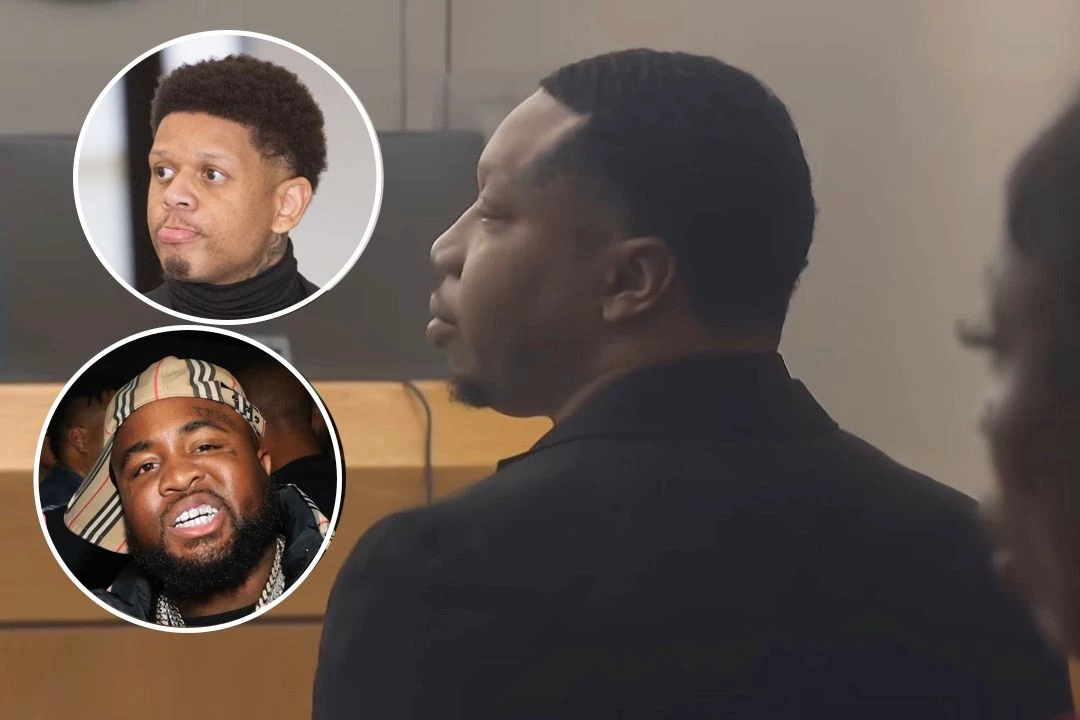
HangupsMusic.com – In a significant legal development that has reverberated through the hip-hop community, Kewon White has been convicted of capital murder for his role in the tragic 2020 killing of Dallas rapper Mo3. The verdict, delivered by a Dallas jury last Friday, September 4th, marks a pivotal moment in the ongoing investigation into the fatal shooting that occurred on Interstate 35E. Following the guilty verdict, White received the mandatory sentence of life in prison without the possibility of parole, as prosecutors did not pursue the death penalty.
The two-week trial culminated in the jury’s swift decision, deliberated over for less than three hours, underscoring the weight of the evidence presented. Prosecutors contended that White acted as a hitman, allegedly paid $20,000 by fellow artist Yella Beezy to carry out the assassination of Mo3. This murder-for-hire allegation formed the crux of the prosecution’s case, aiming to establish the premeditated and contractual nature of the crime. The conviction of White is seen as a major step in holding those responsible accountable for Mo3’s untimely death.
The legal proceedings are far from over for all parties involved. Yella Beezy, who is also charged with capital murder in connection with Mo3’s death, is slated to face his own trial at a future date yet to be officially confirmed. Similarly, a third defendant, Devin Brown, faces capital murder charges and will also have his day in court. While White was identified as the individual who directly discharged the firearm, the prosecution alleges that Brown was complicit, present in the vehicle with White during the shooting. Surveillance footage presented during White’s trial reportedly showed Brown, clad in a ski mask, approaching Mo3’s vehicle shortly before the fatal encounter. This indicates a broader alleged conspiracy and a coordinated effort behind the killing.

The shooting that claimed Mo3’s life occurred on November 11, 2020, a date etched in sorrow for his fans and loved ones. Reports indicate that White fired approximately 13 shots at Mo3. The defense team for White maintained that the prosecution had not sufficiently proven the shooting was a murder-for-hire, attempting to challenge the capital murder charge itself. They argued that the evidence did not definitively establish a contractual agreement, suggesting the possibility of a different motive or a less organized crime. However, the jury ultimately found the prosecution’s narrative compelling, leading to the conviction.
During the sentencing phase, Mo3’s mother, Nichole Noble, delivered a powerful victim impact statement, her words resonating with profound emotion. She addressed Kewon White directly, expressing love and suggesting that perhaps a yearning for affection was the underlying drive behind his alleged actions. According to reports from WFAA-TV Channel 8 in Dallas-Fort Worth, White reportedly lowered his head and was seen weeping as Mo3’s mother spoke. This poignant moment underscored the human tragedy at the heart of the legal proceedings, highlighting the devastating ripple effects of violence on families and communities.
The conviction of Kewon White represents a significant, albeit somber, conclusion to one chapter of this complex case. The focus now shifts to the upcoming trials of Yella Beezy and Devin Brown, which are expected to further illuminate the alleged conspiracy and the full extent of involvement in the murder of Mo3. The legal system’s pursuit of justice in this high-profile case continues, with the hip-hop world closely watching as the remaining defendants prepare to face their own legal battles. The memory of Mo3, a vibrant artist whose life was cut tragically short, remains a central element in these ongoing proceedings, a constant reminder of the loss and the fight for accountability. The trials of Beezy and Brown will undoubtedly bring more details to light, shedding further understanding on the circumstances surrounding the events of that fateful day on I-35E. The legal process, while often lengthy and arduous, aims to bring closure and a measure of justice to the victims and their families, ensuring that those found responsible are held to account for their actions.
