
 By admin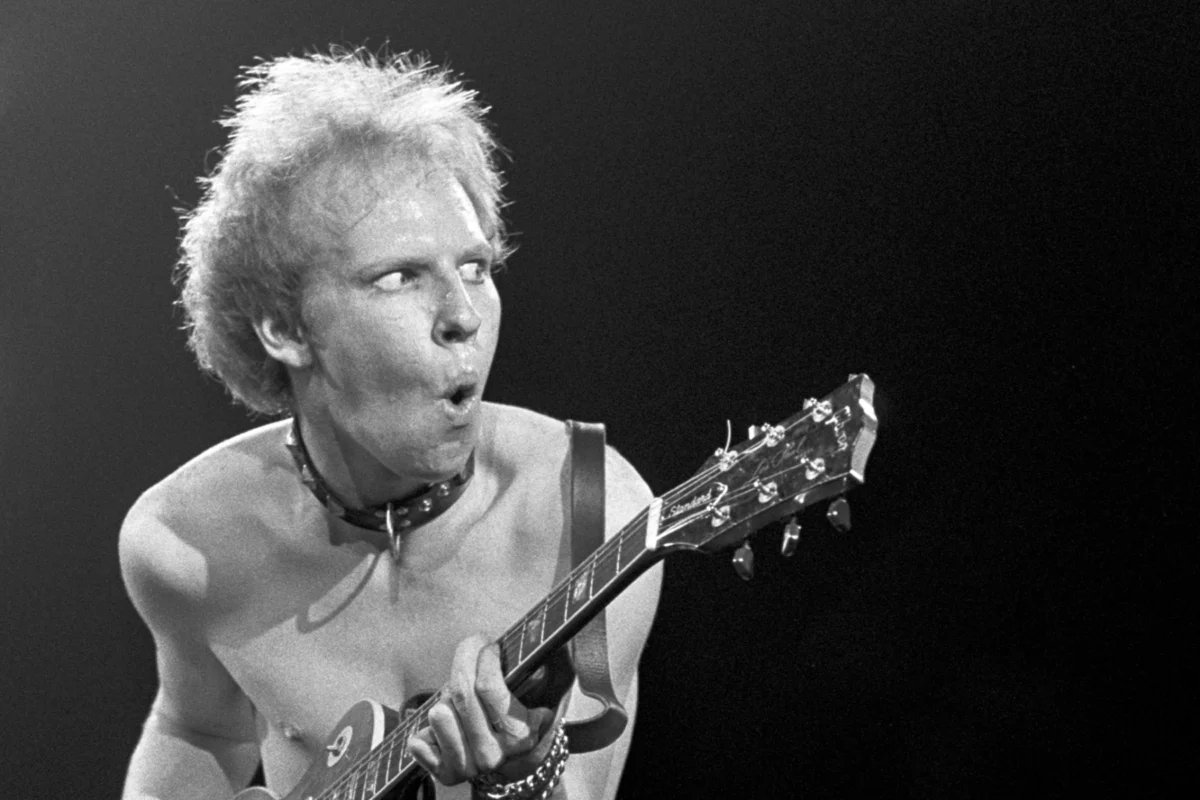
HangupsMusic.com – New York, NY – The world of rock and roll mourns the loss of Eugene Richard O’Connor, better known by his electrifying stage name, Cheetah Chrome. The foundational guitarist for seminal proto-punk outfit Rocket From The Tombs and the notorious New York punk rock pioneers The Dead Boys, Chrome passed away at the age of 71. The somber news was officially confirmed by The Dead Boys via their Instagram account on Sunday night, though a specific cause of death was not disclosed.
Chrome’s passing marks the end of an era for a musician widely revered as a true "architect of the punk rock movement." The Dead Boys’ poignant tribute captured the essence of his impact: "We are incredibly sad to announce the news of the passing of our beloved friend and bandmate Cheetah Chrome. Cheetah was a true original, an architect of the punk rock movement. A one-man hurricane tearing up the musical landscape with his feral guitar riffs and manic energy. Beyond all that Cheetah was also just a really sweet guy that loved rock-roll. We extend our deepest condolences to Cheetah’s family, friends and fans around the world. His music lives on and will continue to inspire others for generations to come. We ask for privacy during this difficult time. Godspeed Cheetah." This heartfelt message underscored not only his profound musical influence but also his cherished character within the punk community.
Born in Cleveland, Ohio, on February 18, 1955, Eugene Richard O’Connor adopted the moniker Cheetah Chrome as he plunged headfirst into the burgeoning, raw music scene of the mid-1970s. His journey into rock history began in the autumn of 1974 when he joined Rocket From The Tombs as their searing guitarist. Though their tenure was brief, spanning only a few months and culminating in a farewell show in August 1975, Rocket From The Tombs left an indelible, almost mythical, mark. The band famously opened for two of the era’s most innovative acts, Television and Patti Smith, at Cleveland’s Piccadilly club in 1975, a testament to their immediate, visceral appeal. Esteemed music critic Lester Bangs famously hailed them as "the original legendary underground rock band," while Rolling Stone‘s David Fricke lauded their audacious sound, noting, "No one else in American rock, underground or over, was writing and playing songs this hard and graphic about being fucked over and fighting mad." This early outfit, though never releasing a studio album during its initial run, forged a sound that was aggressive, intellectual, and deeply cynical, laying crucial groundwork for the punk explosion that would soon follow. Chrome’s guitar work in RFTT was already defined by a distinct blend of abrasive energy and melodic tension, a harbinger of the fury he would unleash with The Dead Boys.
Following the dissolution of Rocket From The Tombs, Chrome, along with vocalist Stiv Bators, bassist Jeff Magnum, rhythm guitarist Jimmy Zero, and drummer Johnny Blitz, coalesced to form The Dead Boys. Recognizing the fertile ground for their brand of aggressive rock, the band made the pivotal move from Cleveland to New York City, quickly becoming fixtures in the nascent punk scene centered around the legendary CBGBs. Their electrifying, often chaotic, live performances garnered them a fierce reputation and a loyal following, making them one of the venue’s most celebrated acts, frequently selling out their shows.
In 1977, The Dead Boys unleashed their debut album, Young, Loud and Snotty, a seminal work that remains a cornerstone of first-wave punk. Chrome’s guitar riffs on tracks like "Sonic Reducer" and "Ain’t Nothin’ to Do" were not merely accompaniments; they were primal screams, an unfiltered expression of youthful angst and rebellion. His playing was characterized by its raw power, often dissonant chords, and a frantic, untamed energy that perfectly encapsulated the band’s confrontational aesthetic. This album, produced by Genya Ravan, captured the band’s live ferocity with remarkable fidelity, solidifying their place in punk lore. A year later, they followed up with We Have Come for Your Children, further cementing their legacy before the band eventually called it quits in 1979, leaving behind a discography that, while compact, resonated with an enduring influence.
Even after The Dead Boys’ initial breakup, Chrome’s creative drive remained undimmed. He immersed himself in the vibrant New York music scene, collaborating with various artists and forming new projects. He performed with bands such as The Stilettos and fronted his own outfit, Cheetah Chrome and the Casualties, exploring different facets of his musicality while maintaining his signature edge. A notable collaboration from this period was his contribution to Ronnie Spector’s debut solo album, Siren. His involvement added a gritty, rock-and-roll authenticity to Spector’s sound, bridging the gap between her iconic Wall of Sound past and the burgeoning punk sensibility.
Chrome’s enduring appeal and the timeless quality of his work led to multiple reunions of both his seminal bands. The Dead Boys regrouped several times over the decades, most notably in 2017 for a 40th-anniversary tour, which saw them re-record their debut album as Still Snotty: Young, Loud and Snotty at 40. This revisiting of their classic material introduced their uncompromising sound to new generations while thrilling longtime fans. Rocket From The Tombs also saw a revival in 2003, with Chrome assembling a new lineup that included original members David Thomas and Craig Bell, alongside Pere Ubu’s Steve Mehlman and Television’s Richard Lloyd. This incarnation released Rocket Redux, a collection of re-recorded RFTT originals, followed by Barfly, an album of entirely new material, in 2011, shortly before Chrome’s departure from the project. These reunions highlighted the profound, lasting impact of his early work and his commitment to keeping the spirit of those groundbreaking bands alive.
Beyond his direct band contributions, Chrome’s career showcased his versatility and continued engagement with the music world. In 2010, he collaborated with the New York Dolls’ Syl Sylvain in the supergroup Batusis, releasing a self-titled EP that blended their shared punk lineage with fresh energy. The same year saw the publication of his candid autobiography, Cheetah Chrome: A Dead Boy’s Tale from the Front Lines of Punk Rock. The book offered an unvarnished, first-hand account of his tumultuous yet exhilarating journey through the birth of punk, providing invaluable insights into the movement’s origins and its often-gritty realities.
Later in his career, Chrome relocated to Nashville, Tennessee, where he transitioned into a different role within the music industry. He took on the position of creative director of A&R and director of special projects for Plowboy Records. This move demonstrated his comprehensive understanding of the music business, moving from artist to executive. As he told Vice in an interview about this new chapter, "It’s very funny to find out that I could do this. It was a little daunting to be a record label executive. I didn’t know if I could do it, but right from the beginning, all the years I’ve been in the business, I kind of knew what needed to be done, and what we could be doing differently, and things I didn’t like about the business that I could actually change." This period also saw him release his own solo album, Solo, on Plowboy Records in 2014, showcasing his continued evolution as a songwriter and performer.
The outpouring of tributes following Chrome’s death underscored his immense stature and influence. Punk band Reagan Youth acknowledged his profound impact, writing on Instagram, "Rest in power to Cheetah Chrome, a true OG and one of the architects of the punk rock movement. His influence helped shape the sound, spirit, and attitude of punk for generations to come." Guns N’ Roses bassist Duff McKagan shared a deeply personal reflection: "RIP dear Cheetah Chrome. Your guitar playing and attack taught me so much about ‘edge’ and precision in punk and beyond. Getting to know you in later years was a complete honor. Forever Dead Boys. Forever Cheetah Chrome!!" These heartfelt messages from peers and subsequent generations of musicians serve as powerful testaments to Chrome’s pioneering spirit, his unmistakable guitar style, and his indelible imprint on the history of punk rock.
Cheetah Chrome was more than just a guitarist; he was a force of nature, a sonic provocateur whose raw talent and unbridled energy helped define the very essence of punk. From the proto-punk ferocity of Rocket From The Tombs to the snarling aggression of The Dead Boys, his contributions reverberated through the music landscape, inspiring countless artists to embrace authenticity, rebellion, and the sheer power of loud, uncompromising rock and roll. His legacy, built on a foundation of feral riffs and an unwavering commitment to the spirit of punk, will continue to inspire and resonate, ensuring that the roar of Cheetah Chrome will echo for generations to come.
