
 By Rose Miami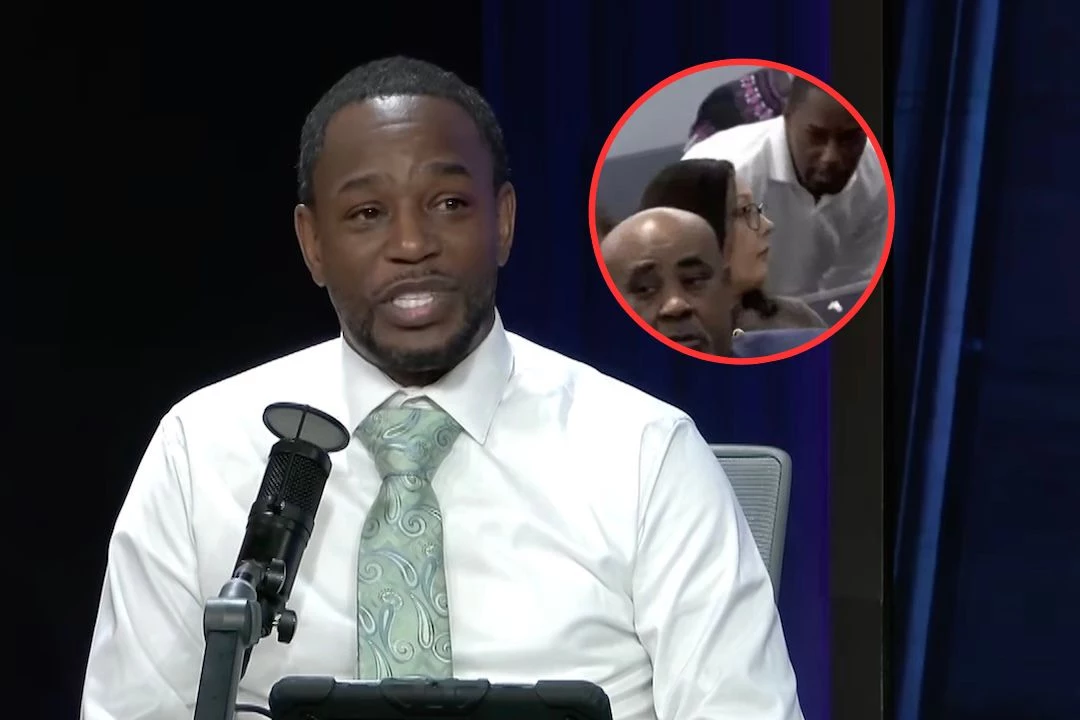
HangupsMusic.com – Harlem rap veteran Cam’ron recently shared his perspective on attending the highly publicized trial of Duane "Keffe D" Davis, the man convicted in connection with the 1996 murder of Tupac Shakur. During an episode of his popular podcast, It Is What It Is, co-hosted with fellow artist Ma$e, Cam’ron detailed his experience as an observer in the Las Vegas courtroom, offering a candid account of the evidence presented.
Cam’ron, who maintains a residence in the Las Vegas area, explained his motivation for attending the proceedings. "I wanted to see sh*t happen firsthand," he stated on the podcast, reflecting on his presence during the eighth day of the trial in August. His observation was that the prosecution’s case heavily relied on recorded statements made by Keffe D himself. "I promise you, the day that I went…All they did was play Vlad videos…Video after video after video after video was this man [Keffe D] telling on himself," Cam’ron recounted.
The core of the prosecution’s argument against Keffe D, and the evidence that ultimately led to his conviction, stemmed from numerous interviews and a memoir where he discussed his alleged involvement in the events leading up to Tupac Shakur’s death. Notably, Keffe D had made admissions on the popular YouTube channel VladTV, and in his 2019 book, Compton Street Legend. While Keffe D later disavowed the book, claiming it was a fictionalized account, the recorded interviews, particularly those on VladTV, appear to have been pivotal in the trial.

On August 31st, after a period of intense legal scrutiny, Keffe D was found guilty of first-degree murder. This verdict marks a significant development in the long-unsolved case of Tupac Shakur’s assassination. The conviction is a culmination of decades of speculation and investigation surrounding the East Coast-West Coast hip-hop rivalry of the 1990s.
Despite the guilty verdict, Keffe D has maintained his innocence and expressed his intention to appeal the ruling. In a post-trial interview with The Hollywood Reporter on September 4th, he stated, "I’m getting out on an appeal. We already filed it before the trial even started. They violated my civil rights!" This indicates that the legal battle may not be entirely over, and Keffe D’s legal team is preparing to challenge the conviction.
Cam’ron’s presence in the courtroom, though that of a spectator, highlights the cultural impact of the trial and the figures involved. His commentary on the proceedings, particularly the reliance on Keffe D’s own words from media appearances, offers an insider’s glimpse into the trial’s dynamics. He also extended a broader warning, particularly for contemporary artists, about the potential pitfalls of public statements and their implications in the digital age. Cam’ron suggested that the ease with which statements can be recorded and disseminated through platforms like social media and interview channels can create a "dangerous trap" for artists, where past words can be used against them in unforeseen and significant ways.
The case of Keffe D is a stark reminder of how public pronouncements, especially those made in interviews and disseminated widely online, can have profound and lasting legal consequences. The conviction underscores the importance of careful consideration of one’s words, particularly when discussing sensitive or criminal matters. For the hip-hop community and its prominent figures, the trial serves as a cautionary tale about the intersection of fame, public perception, and the unforgiving nature of the legal system. The outcome has reignited discussions about the 1996 shooting and the broader narrative of that era in hip-hop history, leaving many to ponder the full implications of Keffe D’s conviction and his planned appeal. The focus on his VladTV interviews as primary evidence also raises questions about the role of digital media in modern jurisprudence and its impact on high-profile cases.
