
 By admin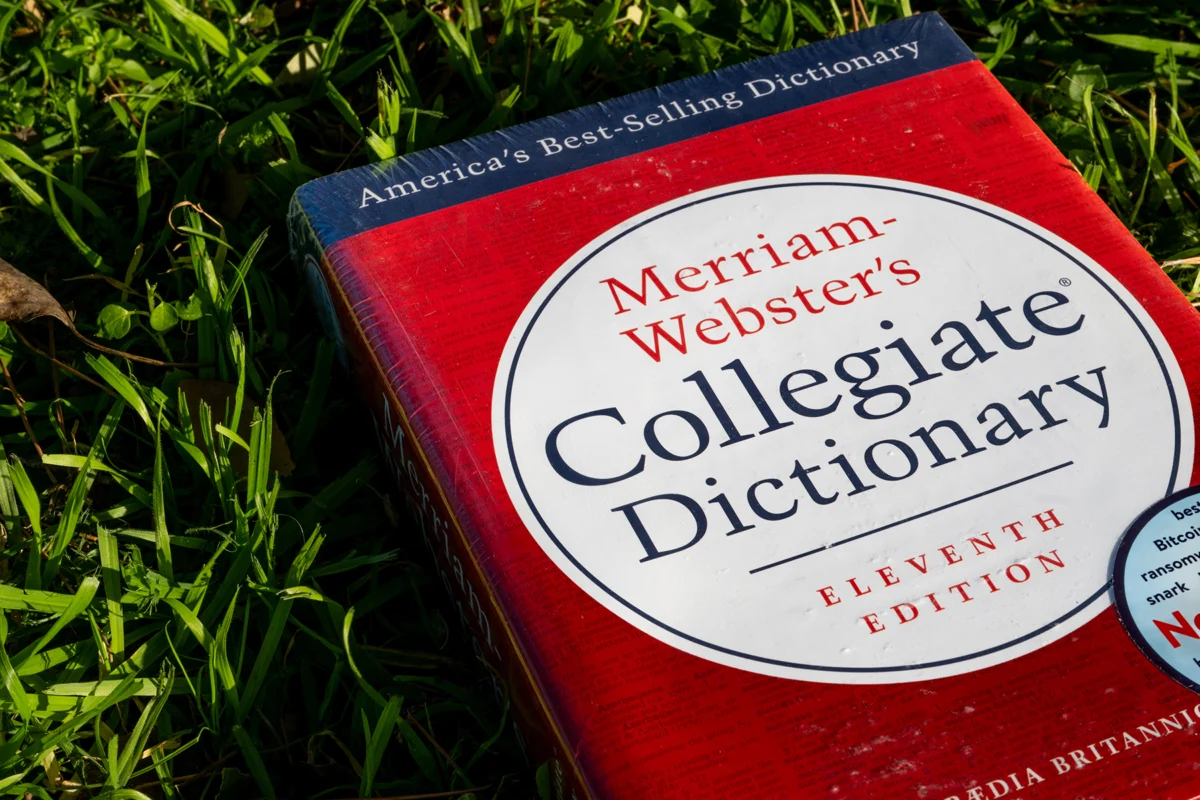
HangupsMusic.com – The relentless pace of modern communication, largely driven by the internet and social media, often leaves even the most diligent wordsmiths struggling to keep pace with an ever-evolving lexicon. In response to this linguistic dynamism, Merriam-Webster, America’s authoritative dictionary, recently unveiled a significant expansion of its official entries, integrating 1,400 new words and fresh definitions for existing terms. This substantial update, described by the company’s editorial team as a "glow-up" for its venerable lexicon, offers a fascinating snapshot of current cultural preoccupations, technological advancements, and shifts in societal discourse.
The comprehensive addition of these terms on Wednesday marks a pivotal moment in the ongoing documentation of the English language. Merriam-Webster, in an official statement, emphasized that the new entries are not arbitrary but rather reflect "words and meanings that have demonstrated widespread use over time, offering a window into the world today." This commitment to capturing prevalent usage underscores the dictionary’s role not just as a static repository but as a living record of human expression, constantly adapting to the linguistic innovations of its speakers. The sheer volume of internet-centric phrases within this batch highlights the undeniable influence of digital platforms on how we communicate, interact, and even conceptualize our realities.
The newly enshrined words span a diverse array of categories, reflecting the multifaceted nature of contemporary life. From the realms of culinary trends and social media phenomena to cutting-edge technology, fashion, and community dynamics, the update paints a vivid picture of our collective consciousness. Among the notable inclusions are terms like "shapewear," denoting specialized garments designed to sculpt the body; "looksmaxxing," a term originating in online subcultures referring to efforts to improve one’s physical appearance; and "meme coin," a type of cryptocurrency often born from internet memes rather than fundamental utility. These specific additions alone reveal a significant engagement with appearance culture, digital finance, and the quirky, often speculative, economy of internet humor.
Further enriching the dictionary are words that articulate modern social interactions and psychological states. "Parasocial," for instance, describes the one-sided relationships individuals often form with public figures or fictional characters, a concept amplified by the intimacy of social media. "Promposal" captures the elaborate, often publicly documented, requests to attend a high school prom, a ritual increasingly performed for viral online consumption. "Vibe coding" speaks to the subtle, often non-verbal cues used in online profiles or interactions to convey one’s personality or aesthetic. Social trends also find their place with "cuffing season," referring to the colder months when single individuals are more inclined to seek romantic partners, and "Sunday scaries," the anxiety or dread felt in anticipation of the upcoming work week. More niche, yet widely understood, terms like "crashout," signifying an act of self-destructive behavior, and "California sober," a nuanced approach to sobriety that permits the use of cannabis and sometimes alcohol, illustrate evolving lifestyle choices and their linguistic representation.
Beyond these contemporary coinages, the update also embraces terms with broader cultural resonance, some of which have a particular affinity for music and popular entertainment. "Rickroll," the internet prank involving an unexpected appearance of Rick Astley’s "Never Gonna Give You Up," is now officially recognized, a testament to its enduring meme status. "Compute" gains new technological definitions, while "yacht rock," a soft rock music genre popular in the late 1970s and early 1980s characterized by smooth production and sophisticated melodies, finds its well-deserved place, much to the delight of music aficionados. The inclusion of "yacht rock" specifically highlights the dictionary’s acknowledgement of cultural niches and subgenres that shape our understanding of popular art forms. Other additions, like "whack-a-mole," a metaphor for a recurring problem that is difficult to eliminate, and "uncanny valley," the unsettling feeling experienced when encountering human-like robots or animation, further underscore the dictionary’s commitment to capturing both everyday idioms and more specialized concepts across various domains.
Merriam-Webster boasts a storied history of adapting its dictionary to include modern phrases and terms that emerge from popular culture and digital spaces. The process of selection is far from arbitrary; it is guided by rigorous public guidelines. Dictionary editors meticulously assess potential additions based on three core criteria: frequent use, widespread use, and meaningful use. "Frequent use" means the word appears regularly in a wide range of written and spoken contexts. "Widespread use" indicates that its usage isn’t confined to a small group or region but is understood across broader demographics. Finally, "meaningful use" ensures that the word fills a genuine lexical gap or expresses a concept more precisely than existing terms. This meticulous methodology ensures that only words with true staying power and cultural significance earn a spot in the venerable dictionary.
The recent influx of words heavily influenced by technology and online communication might offer some early clues as to Merriam-Webster’s highly anticipated "Word of the Year." While the frontrunners for this annual tradition have yet to be formally announced, past selections like "slop," "polarization," and "authentic" have historically served as linguistic touchstones, encapsulating the dominant themes and concerns of their respective years. Given the current additions, terms related to artificial intelligence, digital identity, or online communities could be strong contenders, reflecting the pervasive influence of the internet on our daily lives and language. The "Word of the Year" selection is not merely a popularity contest; it’s a carefully considered choice designed to reflect the most significant cultural and linguistic trends of a given period, offering insight into the collective zeitgeist.
It is important to recognize that Merriam-Webster’s updates extend beyond merely adding entirely new words. A significant portion of its ongoing work involves tracking the evolution of existing words, as terms already deeply embedded in our language acquire novel meanings. As the company elaborates on its website, "New words like hashtag and selfie get a lot of attention, but many of the new words we add are new meanings of words that are already staples in our language." This phenomenon is eloquently illustrated by how words like "mouse" and "cookie" have gained computer-related definitions that bear no resemblance to rodents or baked goods. Similarly, the internet-specific senses of verbs such as "lurk" (to read posts in an online forum without contributing) and "browse" (to survey information on the internet) developed naturally from their established meanings. Even a common verb like "access," first entered into the Collegiate Dictionary in 1973, saw a specific computer-related reference added in 1993. These subtle yet profound semantic shifts, though they may not generate headlines, are just as crucial to understanding the dynamic nature of language and its capacity to adapt to new technological and social landscapes.
In essence, Merriam-Webster’s latest dictionary update is more than just a list of new terms; it’s a comprehensive linguistic audit of contemporary culture. It provides a valuable resource for anyone striving to comprehend the nuances of modern communication, from the casual internet user to the serious linguist. For those within the music industry, understanding these linguistic shifts can offer insights into the lyrical content, cultural references, and fan engagement strategies that resonate with contemporary audiences. By meticulously documenting the words we use, the dictionary not only helps us understand each other better but also chronicles the very fabric of our shared human experience in the digital age.
