 By admin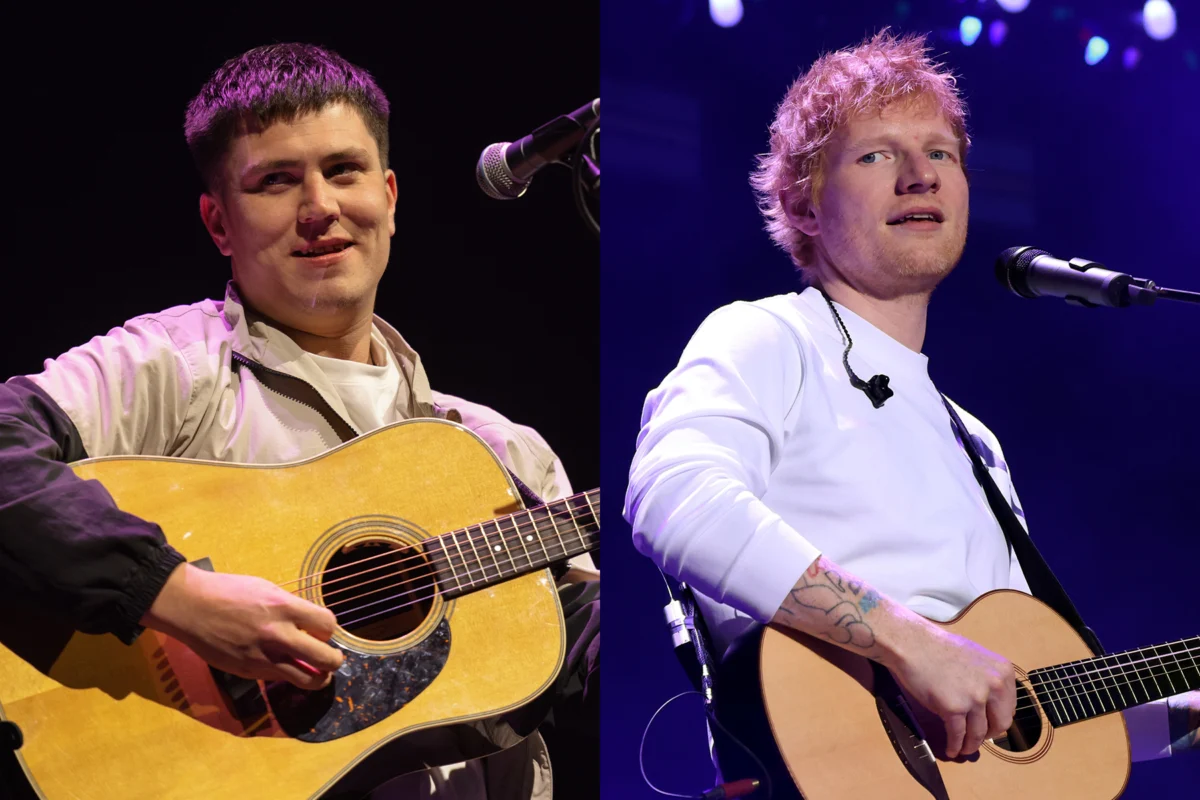
HangupsMusic.com – Dublin, Ireland – The global music landscape, often a stage for universal melodies, has recently become an unexpected battleground for geopolitical discourse, thrusting artists into complex debates surrounding freedom of expression and corporate influence. At the heart of a burgeoning controversy is Irish singer-songwriter Aaron Rowe, who has vocally championed fellow artist Ed Sheeran amidst a storm of criticism. Rowe’s intervention follows the high-profile removal of American rapper Macklemore from Sheeran’s ongoing "Loop Tour," an incident ignited by Macklemore’s impassioned onstage advocacy for Palestinians and sharp critique of Israel’s military actions in Gaza. The saga has peeled back layers of industry dynamics, revealing the potent pressures exerted by powerful figures and organizations on artistic platforms.
Rowe, a respected voice within the Irish music scene, himself withdrew from the Sheeran tour in solidarity, stating unequivocally that public attention was being misdirected. In a comprehensive video disseminated across his social media channels, Rowe articulated his frustration, arguing that the focus on Sheeran obscured the more profound systemic issues at play. "I believe the collective gaze is fixated on the wrong individual," Rowe asserted, urging observers to shift their scrutiny towards entities he identified as "Zionist lobbies" and influential figures like New England Patriots owner Robert Kraft. He characterized these forces as actively attempting to stifle dissenting voices that illuminate what he described as a "genocide unfolding in Palestine by Israel." This direct accusation underscores the gravity of the language being used by artists caught in the crossfire of this deeply sensitive international conflict.
The controversy began when Macklemore, known for his socially conscious lyrics and activism, utilized his performance platform to voice support for Palestinians, a stance that quickly drew condemnation and, ultimately, led to his removal from the tour. Sheeran, a global superstar typically known for his apolitical public persona, found himself in an unenviable position. His subsequent statement clarified that the decision to remove Macklemore was not his own, but rather that of the promoter, Messina Touring Group, reportedly influenced by pressure from various venues, allegedly orchestrated by Kraft. This explanation, while offering a glimpse into the labyrinthine workings of large-scale concert productions, did little to quell the initial public outcry, which largely perceived it as a capitulation. Rowe acknowledged that Sheeran’s communication "could have been significantly more robust," hinting at the tightrope artists walk when navigating such politically charged situations.
Rowe staunchly defended Sheeran’s character, suggesting that any perceived misstep was a consequence of external pressures rather than a reflection of personal ideology. He expressed his conviction that Sheeran, having not had extensive personal discussions with him, inherently understood the gravity of the situation and recognized the error in Macklemore’s removal. "I haven’t had the opportunity for a detailed conversation with Ed, but I am entirely confident he comprehends the mistake that was made," Rowe elaborated. He further pointed to the collective sentiment among the tour’s lineup, implying that the inclusion of multiple artists sympathetic to the Palestinian cause served as evidence against any suggestion of Sheeran holding a "Zionist" viewpoint. This perspective attempts to reframe Sheeran as a victim of circumstances rather than an active participant in the silencing of political speech.
The Irish artist extended his critique beyond the immediate incident, casting a wider net of condemnation over various institutions. He lambasted his home country of Ireland, other international governments, mainstream media outlets, and the broader music industry, accusing them of collective inaction and complicity in perpetuating silence around the conflict. Rowe contended that these powerful entities, possessing immense financial and influential capital, wielded the ability to suppress any viewpoint that diverged from their sanctioned narratives. This indictment speaks to a growing disillusionment among some artists regarding the perceived moral failings of established power structures in addressing global humanitarian crises.
The role of Robert Kraft in this unfolding drama has become a central point of contention. Kraft, a billionaire businessman and owner of the New England Patriots, is a prominent advocate for Israel and has founded organizations aimed at combating antisemitism. His alleged involvement in pressuring venues to remove Macklemore has drawn sharp criticism from Rowe and others who view it as an egregious attempt to curb free speech. Rowe implored the public to redirect their outrage towards Kraft, framing him as an individual who actively sought to "silence voices decrying genocide." This focus on Kraft aims to highlight the potential for non-artistic, financial power to directly influence and dictate artistic expression within the entertainment industry.
In a powerful demonstration of his commitment, Macklemore subsequently escalated his protest following his removal from the tour. He publicly pledged a substantial donation of $1 million to organizations dedicated to supporting Palestinians and issued a direct challenge to Kraft to match his contribution. This move transformed a touring dispute into a high-stakes philanthropic and political challenge, further intensifying public scrutiny. Kraft, in turn, responded with his own commitment of $2 million, designated for humanitarian aid in the region. However, his statement notably claimed this sum was a match to a donation made by Sheeran, adding another layer of complexity to the narrative and raising questions about the motivations and coordination behind these public acts of philanthropy. A representative for Sheeran did not immediately respond to requests for clarification regarding Kraft’s assertion.
This intricate web of artistic expression, corporate pressure, and geopolitical sensitivities underscores a pivotal moment for the music industry. It highlights the increasing difficulty for artists to remain apolitical in a world grappling with urgent global crises, and the potent influence that powerful financial and political figures can exert over cultural platforms. The incident serves as a stark reminder of the delicate balance between artistic freedom, commercial viability, and the ethical responsibilities that artists and industry stakeholders face in an interconnected, often polarized, global society. As the echoes of dissent continue to reverberate, the music world is left to ponder the evolving boundaries of activism and the true cost of silence.
