
 By admin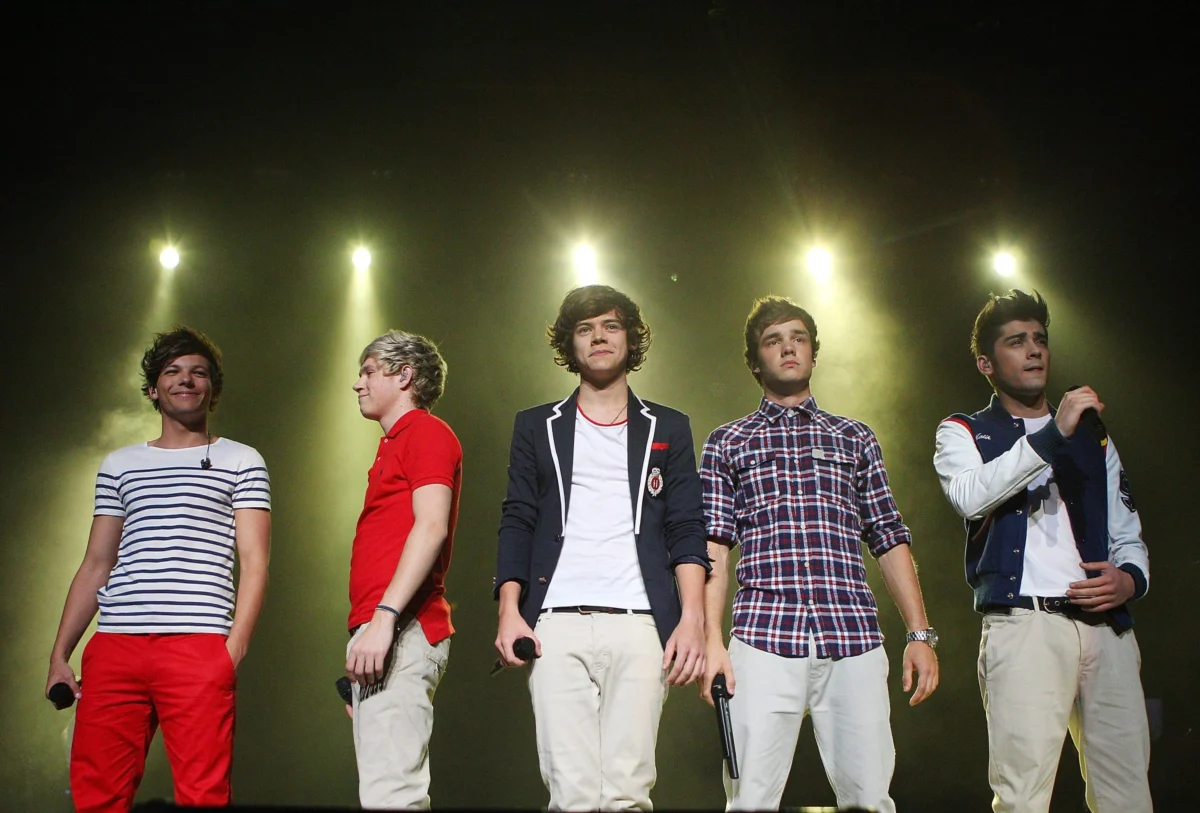
HangupsMusic.com – In the early 2010s, the American music landscape had largely moved past the boy band phenomenon that defined the turn of the millennium. The iconic eras of groups like the Backstreet Boys and NSYNC had faded, leaving a noticeable void for a new generation of vocal groups to capture the imagination of millions. Furthermore, a British vocal ensemble achieving widespread mainstream success across the Atlantic had become an even rarer occurrence. Yet, by the close of 2012, a quintet of young men plucked from the UK’s X Factor* stage—Harry Styles, Louis Tomlinson, Zayn Malik, Liam Payne, and Niall Horan—had not only breached U.S. borders but had orchestrated an unprecedented cultural takeover. Their arrival marked a seismic shift, introducing a fresh wave of pop-rock anthems, dominating charts with two Billboard 200-topping albums, and fundamentally altering the dynamics of musical fandom and social media engagement.
The genesis of One Direction was, by now, a well-trodden path for aspiring pop stars: reality television. Each member initially auditioned as a solo artist for the seventh series of The X Factor in 2010. While none progressed individually beyond the bootcamp stage, their potential was recognized by guest judge Nicole Scherzinger and, crucially, by impresario Simon Cowell, who collectively decided to form them into a group. Finishing third in the competition, they might have seemed just another promising act, but their undeniable chemistry and raw talent caught the eye of Cowell’s Syco Music, who promptly signed them. This televised origin story provided them with a pre-built narrative and a foundational fanbase, elements that would prove crucial in their meteoric ascent.
Their breakthrough in the United States, however, was no mere accident; it was a carefully executed invasion. Unlike many British acts before them, One Direction didn’t just hope for success; they actively pursued it, leveraging a new media ecosystem. Their debut single, "What Makes You Beautiful," released in September 2011 in the UK, was a vibrant, undeniably catchy pop anthem that perfectly encapsulated their youthful energy. It quickly became a sensation, laying the groundwork for their international expansion. When it finally hit American airwaves and digital storefronts in early 2012, the timing was impeccable. The market was ripe for a fresh, authentic, and charismatic boy band, and One Direction delivered with an appeal that transcended demographic lines.
The release of their debut album, Up All Night, in March 2012 in the U.S., was an immediate triumph, soaring to the top of the Billboard 200. This made them the first British group in history to debut at number one with their first album. The record was a collection of effervescent pop-rock tracks, brimming with infectious melodies and relatable lyrics about young love and carefree days. Beyond "What Makes You Beautiful," tracks like "Gotta Be You" and "One Thing" showcased their vocal harmonies and individual strengths, quickly endearing them to a rapidly expanding global audience. The album wasn’t just a commercial success; it was a cultural touchstone, signaling the definitive return of the boy band as a dominant force in mainstream pop.
Remarkably, just eight months after their U.S. debut, One Direction released their sophomore album, Take Me Home, in November 2012. This rapid-fire release schedule was indicative of their relentless work ethic and the insatiable demand from their fanbase. Take Me Home didn’t just replicate the success of its predecessor; it arguably surpassed it, also debuting at number one on the Billboard 200, making them the first group since 2006 to achieve two number-one albums in a single calendar year. The album demonstrated a subtle evolution in their sound, offering a slightly more mature yet equally energetic collection of songs. While Up All Night introduced them with youthful exuberance, Take Me Home solidified their position as bona fide superstars, showcasing their versatility and proving their staying power was more than a fleeting trend. The debate among fans and critics over which album was superior, a point often discussed by music experts, highlighted the consistent quality of their output in such a short span.
Central to One Direction’s unprecedented rise was their pioneering use of social media. In an era where platforms like Twitter, Tumblr, and Instagram were rapidly gaining traction, the band and their management understood their power implicitly. They didn’t just use social media as a promotional tool; they made it an integral part of their connection with fans. The members themselves were active, offering glimpses into their lives, fostering a sense of intimacy and accessibility that traditional media often couldn’t provide. This direct line of communication cultivated an incredibly passionate and engaged fanbase, affectionately known as "Directioners," who would mobilize en masse for album sales, concert tickets, and social media campaigns, effectively bypassing traditional gatekeepers and reshaping how pop stardom was perceived and maintained.

Each member brought a distinct personality and vocal quality to the group, contributing to a dynamic that was greater than the sum of its parts. Harry Styles emerged as a charismatic frontman, Louis Tomlinson provided cheeky wit and strong songwriting contributions, Zayn Malik offered a soulful edge, Niall Horan charmed with his easygoing nature and guitar skills, and Liam Payne, whose foundational vocal contributions and leadership were integral to their early sound, played a pivotal role in anchoring their harmonies and stage presence—a role now viewed with profound poignancy following his untimely passing. The individual appeal of each member fueled fervent discussions among fans about "favorite members" and predictions of future solo stardom, a testament to their well-rounded appeal.
In the early stages of their American breakthrough, One Direction faced a perceived rivalry with fellow British boy band The Wanted. Both groups offered upbeat pop, but One Direction’s meteoric rise, particularly their robust social media engagement and relentless touring, quickly left The Wanted in their wake. While The Wanted achieved some notable hits, One Direction’s cultural penetration and sheer volume of sales proved insurmountable. Interestingly, despite their massive pop stardom and chart success, One Direction’s early radio airplay didn’t always immediately match their commercial dominance. This apparent discrepancy could be attributed to the changing media landscape, where fan-driven digital sales and streaming numbers often outpaced traditional radio’s embrace, showcasing the power of their dedicated fanbase to propel them to the top irrespective of traditional metrics.
A decade and a half later, One Direction’s massive pop impact is still keenly felt. Their influence can be seen in the blueprint they established for subsequent global pop acts, demonstrating the potency of combining catchy melodies with authentic, accessible personalities and hyper-engaged social media strategies. Their music continues to resonate, and the solo careers that have blossomed from the group—most notably Harry Styles’s Grammy-winning ascent and Zayn Malik’s successful R&B ventures—underscore the immense talent that converged within the quintet. The legacy of One Direction is not just about the hits they created but the cultural phenomenon they became, forever changing the landscape of pop music and fandom in the 21st century.
As fans continue to celebrate their enduring legacy, speculation about a potential reunion remains a fervent topic. While the tragic loss of Liam Payne adds a somber note to such discussions, the possibility of the remaining four members reuniting in some capacity is a dream held dear by millions, a testament to the indelible mark they left on music history. For a deeper dive into this extraordinary chapter of pop music, the Vintage Pop Stardom episode of the Greatest Pop Stars podcast offers unparalleled insights. Host Andrew Unterberger is joined by Billboard co-chief content officer Jason Lipshutz, whose second book, A Whole Lotta History, meticulously chronicles One Direction’s entire career and is available for pre-order, releasing on November 3. The podcast dissects the most pressing questions from their early days, exploring everything from the nuances of their debut albums to their lasting influence.
Listen to the discussion above, accompanied by a YouTube playlist of One Direction’s defining 2012 moments, all explored in the episode. Subscribe to the Greatest Pop Stars podcast on Apple Music, Spotify, or your preferred podcast platform for weekly discussions on all facets of pop stardom. Pre-order Jason Lipshutz’s definitive One Direction book, A Whole Lotta History, here.
As always, if you have the means, please consider supporting organizations dedicated to the fight for trans rights:
Transgender Law Center
Trans Lifeline
Destination Tomorrow
Gender-Affirming Care Fundraising on GoFundMe
Human Rights Campaign – In Your Area
