
 By admin
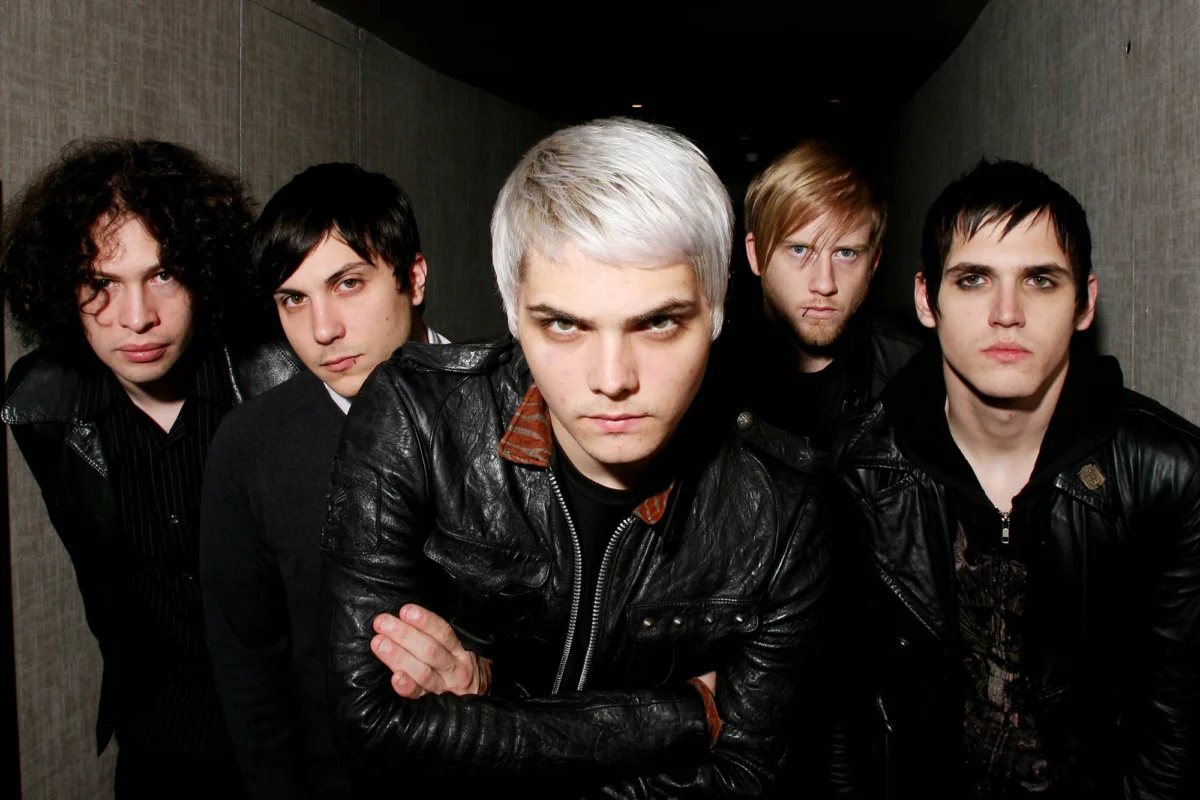
HangupsMusic.com – Few albums in the 21st century have resonated with the cultural impact and artistic ambition of My Chemical Romance’s 2006 magnum opus, The Black Parade. More than just a collection of songs, it was a sprawling rock opera that redefined the band’s sonic identity and solidified their place in rock history. Departing dramatically from the raw, punk-thrash energy of their earlier works, the album unfurled a complex narrative steeped in themes of death, hope, and rebellion, earning comparisons to classic rock concept albums while forging a distinctly modern, eyeliner-clad aesthetic. This audacious leap felt like the dawn of a new, expansive era for My Chem, yet it was followed by the critically appreciated but often underrated Danger Days: The True Lives of the Fabulous Killjoys in 2010, before the band’s unexpected hiatus three years later. Now, with a triumphant return to the stage and the promise of new music from frontman Gerard Way, lead guitarist Ray Toro, rhythm guitarist Frank Iero, and bassist Mikey Way (following the unfortunate passing of former drummer Bob Bryar in 2024), the legacy of The Black Parade shines brighter than ever. Its recent 20th-anniversary vinyl reissue astonishingly debuted at number one, prompting an in-depth conversation with the album’s visionary producer, Rob Cavallo, about the intricate journey of creating a contemporary rock masterpiece.
Cavallo, a seasoned producer renowned for his work with bands like Green Day on their own epic, American Idiot, vividly recalls his first encounter with My Chemical Romance. The band was holding auditions for a producer in a frigid New York City. At SIR Studios, amidst the biting cold, they presented him with a handful of nascent ideas. While several tracks piqued his interest, it was the haunting, theatrical strains of "Mama" that truly captivated him. He describes an almost involuntary leap from the couch, struck by the song’s undeniable originality and its palpable sense of a grander, underlying narrative. Even in its raw form, "Mama" transcended typical rock conventions, hinting at a "deeper picture" that immediately signaled the band’s elevated conceptual aspirations.
The track’s unique blend of dark cabaret and aggressive rock left an indelible impression. Cavallo likened its rhythmic qualities to the experimental leanings of The Doors, while also drawing parallels to the edgy, anti-establishment spirit of The Rolling Stones’ "Mother’s Little Helper." The imagery evoked by "Mama" — a scene of "Cossacks-style Russian dancing" — underscored its unconventional, head-bopping rhythm that felt both ancient and fiercely modern. It was a defiant, "we-don’t-give-a-fuck" kind of rock that still carried profound lyrical weight. Cavallo recalls pondering the narrative, "What is this guy going on about? What is happening here? This is heavy stuff," a question that would ultimately lead him to accept the band’s offer of collaboration over a celebratory dinner just hours after that pivotal first meeting.
Cavallo’s rapid hire was no doubt influenced by his recent track record. His success with Green Day’s ambitious rock opera American Idiot had demonstrated his prowess in navigating complex narrative structures within a rock framework, a skill highly relevant to My Chemical Romance’s burgeoning vision. Furthermore, the band appreciated his earlier work on Jawbreaker’s Dear You, an album that, despite its initial commercial struggles, had slowly gained cult status as a foundational emo record. The confluence of commercial triumph and underground credibility in Cavallo’s portfolio proved irresistible to My Chemical Romance, confirming their instinct that he was the ideal architect for their ambitious project.
The initial phase of the album’s creation involved an unconventional residency at a sprawling, dilapidated estate known as The Paramour. The band sought a space where they could immerse themselves entirely in the creative process, living and writing under one roof. The Paramour, however, proved to be more than just a writing retreat; it was, by all accounts, genuinely haunted. Cavallo recounts the constant unsettling occurrences: doors closing inexplicably, an pervasive "eerie hallway" that felt like a scene from a horror film, and a general atmosphere thick with "insanity." The bizarre decor, including a stuffed polar bear and ancient coats of arms, only amplified the mansion’s disquieting aura. Compounded by the freezing temperatures that necessitated space heaters, the environment was psychologically taxing. Bassist Mikey Way, unable to endure the oppressive atmosphere, eventually moved out, a testament to the mansion’s unsettling power. Frontman Gerard Way, too, wrestled with intense night terrors during this period, struggles that Cavallo believes were inextricably linked to the house’s dark energy and the personal crossroads the young artist found himself at.
Despite the psychological toll, The Paramour proved to be an incredibly fertile ground for songwriting. Cavallo, along with his engineer Doug McKean, meticulously set up sophisticated microphones in the mansion’s vast living room, capturing the band’s creative bursts. The writing process was largely organic and improvisational, with the band jamming live as Gerard sang over their collective efforts. A riff would emerge, and the band would build upon it, recording every iteration. These raw, two-track recordings, initially captured on digital audio tapes (DATs) for later studio reference, have since been released online, offering fans a unique glimpse into the album’s embryonic stage. By the time the band transitioned from the haunted mansion to a professional recording studio, approximately 90 to 95 percent of the album’s material had been conceived and demoed, with one notable exception: the album’s iconic title track.
"Welcome to the Black Parade" began its life as a different song altogether, titled "The Five of Us Are Dying." While the band and Cavallo recognized its potential, two critical elements were missing. The song lacked a compelling introduction, and its original chorus chords felt merely "okay," rather than the anthemic hook they envisioned. The breakthrough arrived unexpectedly one morning at Eldorado Studio in Burbank. Cavallo, an early riser, was idly playing the piano when Gerard Way joined him. Gerard posed a specific challenge: could Cavallo play something reminiscent of "Pomp and Circumstance," but with a descending melodic line? In a moment of pure creative instinct, Cavallo’s fingers moved, and almost simultaneously, Gerard began to sing the now-legendary opening lines, "When I was a young boy…"
This impromptu collaboration, captured on a voice memo, became the genesis of the "parade" concept. Initially envisioned as an interstitial piece, a distant parade that swelled and faded, Cavallo played the theme, building from a single note to a powerful two-handed rendition, then receding again. The idea was to incorporate marching bands, orchestral percussion, and horns to create this sonic journey. However, during Cavallo’s brief absence, the band, likely spearheaded by Ray Toro, ingeniously fused this new, majestic intro with the existing structure of "The Five of Us Are Dying." They also refined the chorus chords, transforming it into the instantly recognizable, sing-along anthem it is today. This strategic integration elevated the song to an unprecedented level, justifying the grand orchestrations and ambitious arrangements that would define it, pushing the boundaries of what was expected from a "pop-punk" record. Cavallo recalls playing the completed track for his mentor, Lenny Waronker, a legendary Warner Bros. executive, who was utterly stunned by its originality and scope.
Another track that nearly didn’t make the cut was "Teenagers." Some within the production camp viewed it as an "old-school rock & roll song," built on a classic I-IV-V chord progression akin to Chuck Berry. The concern was that its traditional structure might feel out of place amidst the album’s grander, more experimental leanings. However, Cavallo passionately championed the song, arguing that its brilliance lay in its ability to take such a fundamental rock template and imbue it with contemporary relevance and deeply meaningful lyrics, particularly in the wake of events like the Columbine tragedy, which highlighted concerns about youth violence. Despite being an admitted "outlier" on the album, its undeniable catchiness and poignant message ultimately won out, leading to its explosive success.
The album’s theatricality was further enhanced by the unexpected vocal contribution of legendary performer Liza Minnelli on "Mama." The idea to cast Minnelli as the enigmatic "Mother War" character originated with Gerard Way. Cavallo, leveraging his industry connections, reached out to Liz Rosenberg, Madonna’s publicist, who miraculously facilitated the collaboration. Working with Minnelli was an experience Cavallo describes as profoundly impressive. Her "consummate professionalism" was unparalleled; she wasn’t satisfied until every take was perfect, meticulously refining her delivery, even focusing on capturing the precise nuances of a "crying part" to truly embody the character. Her dedication to detail was a testament to her iconic status.
The Black Parade is also celebrated for its vibrant guitar work, a testament to the talents of Ray Toro and Frank Iero. While both guitarists delivered exceptional performances throughout the album, a standout moment arose from an accident during the recording of "Dead!" The initial plan for that section was simply to feature chords, but Ray Toro, in a casual warmup, spontaneously unleashed a blistering solo. Cavallo, recognizing its raw brilliance, insisted it be included, despite Toro’s initial reluctance. The fact that such a complex, impactful solo was an unplanned, off-the-cuff improvisation speaks volumes about Toro’s extraordinary musicianship.
The scale of The Black Parade‘s creation — with the band living and working in a shared space for months, followed by an intensive studio period — raises questions about the feasibility of such an undertaking in today’s music industry. Cavallo suggests that while budgets have undeniably shrunk, the process for The Black Parade was surprisingly cost-effective. The Paramour, though grand, likely offered a more economical solution for housing and rehearsal compared to separate hotels and dedicated rehearsal spaces. Eldorado Studio, too, was a mid-tier facility, not the exorbitant "A++" studios. The album was completed in a remarkably efficient two and a half months, or roughly ten weeks, with an estimated budget in the $200,000 to $250,000 range – a testament to Cavallo’s reputation for staying within financial parameters while delivering artistic excellence.
At the time of The Black Parade‘s creation, there was no inkling that My Chemical Romance would soon enter a prolonged hiatus. The band was creatively charged and deeply engaged. The first whispers of internal discord and potential dissolution, Cavallo notes, began to emerge during the making of their subsequent album, Danger Days. While the band has since reunited and hinted at new material, Cavallo confirms he is not currently involved in their new projects, though he remains in contact with Ray and Mikey Way.
The enduring power of The Black Parade was vividly reaffirmed by the recent vinyl reissue, which soared to the number one spot on the charts. This unexpected success, selling an estimated 70,000 copies in the United States alone (and also hitting number one in the U.K.), generating nearly $3 million in gross revenue, highlights the album’s sustained cultural relevance and the unwavering devotion of its fanbase. In an era dominated by streaming, such figures for a physical product are remarkable, underscoring a unique blend of high-quality, scarce artistry and dedicated fan engagement. Cavallo, a believer in the album’s magic, even purchased a copy himself "for good luck," a small gesture that speaks volumes about the lasting impact of a record he helped bring to life. Eighteen years on, The Black Parade continues to march forward, a timeless anthem resonating with new generations and solidifying its place as an indelible chapter in rock history.
