
 By admin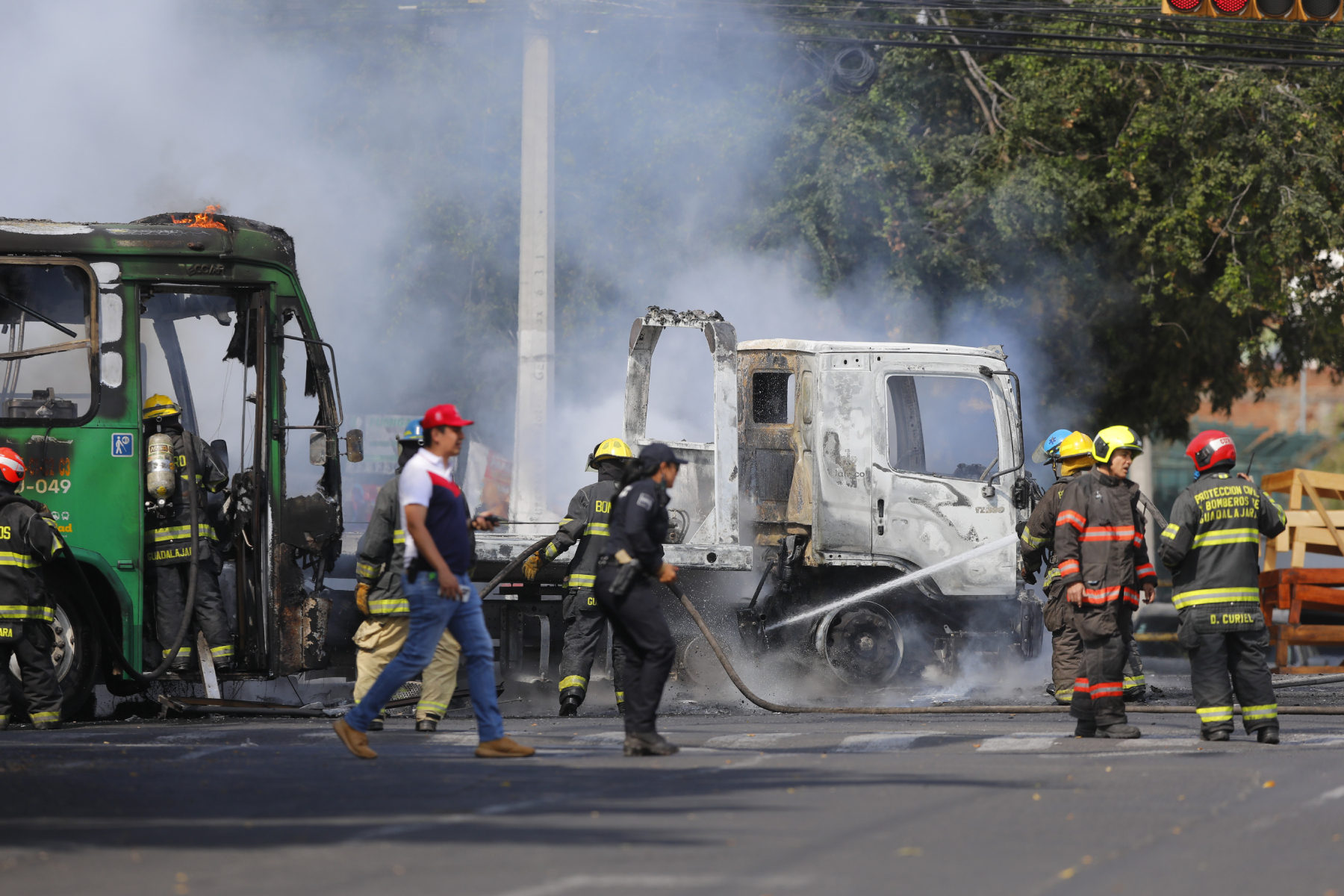
HangupsMusic.com – Guadalajara, Mexico, – The reign of Nemesio Oseguera Cervantes, known universally by his chilling moniker "El Mencho," has drawn to a definitive close. The elusive and notoriously brutal leader of the Jalisco New Generation Cartel (CJNG), an organization that had ascended to become one of Mexico’s most formidable and feared criminal enterprises, was confirmed dead following a decisive military operation on Sunday. His demise marks a monumental turning point in Mexico’s protracted struggle against organized crime, a conflict that has exacted a devastating toll on the nation and reverberated far beyond its borders.
The Mexican government announced on Sunday that Oseguera Cervantes, once a Jalisco state policeman before his ascent to the pinnacle of the criminal underworld, was killed by security forces in Tapalpa, a municipality nestled within the western state of Jalisco—a region that served as the very heartland of his cartel’s operations. The meticulously planned military action, which aimed to neutralize one of the world’s most wanted criminals, resulted in a significant confrontation where at least seven other cartel members also lost their lives, according to reports from The New York Times. Sources indicate that El Mencho sustained fatal wounds during the raid and subsequently succumbed while being transported for medical attention to Mexico City. This account was corroborated by a statement from Mexico’s Ministry of Defense, disseminated via their official channels on X.
The profound impact of Oseguera Cervantes’ death was immediately acknowledged on the international stage. U.S. Deputy Secretary of State Christopher Landau swiftly confirmed the news, describing the fallen cartel leader as "one of the bloodiest and most ruthless drugpins" in recent memory. Landau’s statement on X underscored the broader significance, declaring it "a great development for Mexico, the US, Latin America, and the world." This sentiment reflects the immense pressure El Mencho and his organization had exerted on regional stability and international law enforcement efforts.
The elimination of El Mencho holds substantial implications for the often-strained relationship between Mexico and the United States. Under the administration of President Donald Trump, the U.S. had previously issued stark warnings and even threatened military intervention against Mexican cartels if the nation did not intensify its crackdown on these groups. Signaling the gravity with which Washington viewed CJNG, the Trump administration had, in February, formally designated the cartel as a foreign terrorist organization. This designation was based on the group’s expansive criminal portfolio, which extended far beyond drug trafficking to include extortion, the brutal smuggling of migrants, the illicit theft of oil and minerals, and extensive weapons trade, all alongside their notorious role in the distribution of highly potent and deadly substances like fentanyl. The successful operation against El Mencho is therefore poised to strengthen bilateral cooperation and potentially ease some of the diplomatic tensions surrounding the ongoing battle against transnational organized crime.
The immediate aftermath of El Mencho’s death plunged parts of western Mexico into a fresh wave of violence and chaos. Reports quickly emerged of widespread disruption, with vehicles being set ablaze across at least six states—a common and highly effective tactic employed by cartels to obstruct military movements and create diversions. Jalisco, the epicenter of the violence and notably home to Guadalajara, a major city slated to host matches for the upcoming World Cup, experienced severe disruptions. Governor Pablo Lemus Navarro of Jalisco took the unprecedented step of suspending public transportation and urgently advised residents across the region to remain indoors until security forces could regain control of the volatile situation.
The U.S. government responded swiftly to the escalating unrest, issuing an urgent travel advisory for its citizens. The Department of State’s travel alerts, also disseminated via X, urged U.S. citizens in five key states—Jalisco (including popular tourist destinations like Puerto Vallarta, Chapala, and the capital Guadalajara), Tamaulipas (encompassing municipalities such as Reynosa), as well as parts of Michoacan, Guerrero, and Nuevo Leon—to "shelter in place until further notice." The immediate danger was palpable, with major airlines canceling flights or issuing travel advisories for the affected regions. Social media platforms quickly became saturated with harrowing video footage depicting scenes of panic and disarray at Guadalajara’s international airport, while plumes of smoke were visibly rising over the picturesque coastal city of Puerto Vallarta, painting a grim picture of the cartel’s retaliatory power.
Nemesio Oseguera Cervantes’ journey from an obscure background to the helm of a sprawling criminal empire is a tale steeped in violence and strategic ruthlessness. His early life as a former Jalisco state policeman provided him with an intimate understanding of law enforcement tactics and vulnerabilities, an insight he would expertly leverage in his criminal endeavors. Under his leadership, the CJNG rapidly transformed into Mexico’s fastest-growing and deadliest cartel, expanding its influence across the nation and establishing a formidable international footprint. The organization’s rise was marked by an unparalleled degree of brutality, employing extreme violence, public displays of torture, and sophisticated military-grade weaponry to intimidate rivals, corrupt officials, and terrorize communities into submission.
As Rolling Stone had previously reported, Oseguera Cervantes had accumulated a lengthy rap sheet, facing multiple indictments in a D.C. federal court on a litany of charges including drug trafficking, corruption, and murder. He had long been a primary target for U.S. law enforcement agencies, symbolizing the epitome of a ruthless drug lord who consistently eluded justice. Throughout his reign, Mexico witnessed a dramatic surge in its homicide rate, a grim statistic widely attributed to the CJNG’s aggressive expansion and El Mencho’s uncompromising approach to consolidating power. Scott Stewart, a senior cartel analyst at Stratfor, a private intelligence firm, noted in 2017 that the organization’s relentless push into new territories invariably led to bloodshed. "Wherever they try to muscle in, it creates bodies," Stewart remarked, encapsulating the cartel’s violent modus operandi.
El Mencho’s ability to evade capture for so many years, despite being one of the most wanted men in North America, was legendary. His network of informants, the loyalty he commanded through fear and reward, and the rugged terrain of his strongholds made him an almost mythical figure in the criminal underworld. The bounty on his head steadily reflected his rising status as a priority target. In 2017, a $5 million reward was offered for information leading to his arrest. By the time of his death, the U.S. State Department had significantly increased that figure to a staggering $15 million, underscoring the immense value placed on his capture or conviction. This substantial sum highlighted the unwavering determination of international authorities to bring an end to the reign of a man whose actions had caused widespread suffering and destabilization.
The demise of El Mencho is undoubtedly a significant victory for both Mexican and international anti-narcotics efforts. However, the history of Mexico’s drug war suggests that the elimination of a top leader often precipitates a period of intense power struggles and heightened violence as factions within the cartel vie for control, or rival organizations attempt to seize newly available territories. The CJNG, known for its decentralized yet fiercely loyal structure, will now face the challenge of succession. While the loss of its iconic leader may temporarily disrupt its operations, the underlying criminal infrastructure, extensive networks, and vast financial resources of the cartel remain formidable. The coming months will be critical in determining whether this high-profile takedown will usher in a period of reduced cartel activity or merely shift the landscape of a conflict that continues to define much of Mexico’s security challenges. The world watches closely, hoping that El Mencho’s end signifies a genuine turning point, rather than just another chapter in the enduring saga of Mexico’s cartel violence.