
 By Azzam Bilal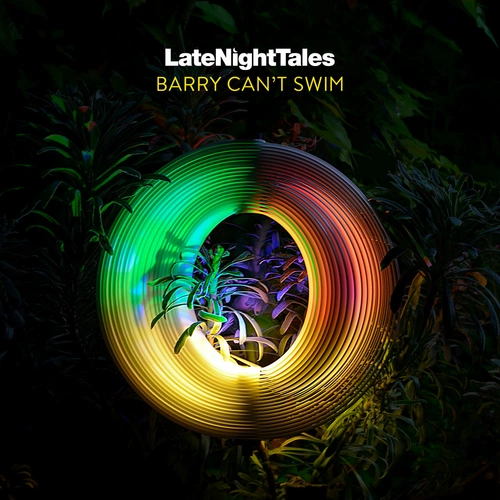
HangupsMusic.com – The "Late Night Tales" series has long served as a prestigious rite of passage for the world’s most influential selectors and producers. For a quarter of a century, the label has invited artists to step away from the relentless pulse of the dancefloor and instead curate a journey designed for the twilight hours—the period of reflection, decompression, and intimacy that follows the peak of the night. As the series celebrates its 25th anniversary, it has found a perfect contemporary protagonist in Joshua Mainnie, the Scottish producer and multi-instrumentalist better known to the world as Barry Can’t Swim. His entry into this storied canon is more than just a collection of tracks; it is a meticulously crafted tapestry that highlights the organic musicality and sun-drenched nostalgia that have defined his meteoric rise in the electronic music scene.
Barry Can’t Swim has spent the last few years establishing himself as one of the most vibrant voices in modern house and downtempo music. Following the critical and commercial success of his debut album, When Will We Land?, Mainnie proved that electronic music could be as much about live instrumentation and jazz-influenced arrangements as it is about synthesized loops. His contribution to "Late Night Tales" serves as a spiritual extension of this philosophy. Rather than focusing on the club-ready energy of his festival sets, this mix pulls back the curtain on the formative sounds and textures that inform his creative process. It is an exploration of "downtempo warmth," a sonic space where melodic whimsy meets a sophisticated, almost classical restraint.
The mix opens a window into Mainnie’s identity as a multi-instrumentalist. Throughout the selection, there is a recurring emphasis on the tangible: the pluck of a guitar string, the resonant vibration of a harp, and the sweeping, emotive power of a string section. These elements lend the compilation a sense of "reflective sophistication" that distinguishes it from more traditional DJ mixes. In an era where digital precision often takes center stage, Barry Can’t Swim leans into the imperfections and richness of acoustic sounds. The inclusion of fluttering harps and serene strings creates a weightless atmosphere, inviting the listener to drift through a landscape that feels both epic in its emotional reach and delicate in its minute details.
One of the defining characteristics of a "Late Night Tales" installment is the curator’s ability to bridge disparate genres and eras into a cohesive narrative. Mainnie excels in this regard, blending contemporary electronic peers with legendary experimentalists. The mix features contributions from artists like Freddy Da Stupid and O’Flynn, the latter of whom has been a frequent collaborator and kindred spirit in the world of percussion-heavy, melodic house. Even as the tempo occasionally lifts, Mainnie maintains a sense of "restraint and beauty," ensuring that the energy never overwhelms the mix’s meditative core. This balance is a testament to his maturity as a curator; he understands that a late-night mix is as much about the spaces between the notes as it is about the notes themselves.
A significant highlight of the compilation is the inclusion of This Mortal Coil, a project synonymous with the ethereal and the haunting. Their presence adds a "haunting weightlessness" to the proceedings, grounding the mix in a tradition of avant-garde dream-pop that dates back decades. By placing such legendary acts alongside modern producers, Barry Can’t Swim creates a dialogue between the past and the present. He illustrates how the melancholic beauty of the 1980s 4AD sound informs the lush, atmospheric house music of today. This sense of continuity is what gives the mix its "instantly classic" feel, suggesting that these tracks belong together in a timeless, nocturnal vacuum.
Central to the appeal of this specific "Late Night Tales" entry is an exclusive contribution from Barry Can’t Swim himself. Emerging directly from his studio, this "aching, broken beat" track showcases a different side of his production prowess. The term "broken beat"—a genre rooted in the syncopated rhythms of West London’s jazz-fusion and UK garage scenes—perfectly suits Mainnie’s penchant for complex, off-kilter percussion. This exclusive track feels deeply personal, carrying an emotional weight that anchors the mix. It serves as a bridge between the curated selections and his own artistic output, reminding the listener that Mainnie is not just a fan of these sounds, but a student of their rhythmic intricacies.
The structure of the mix follows the traditional "Late Night Tales" arc, concluding with the series’ signature spoken-word closer. This tradition, which has seen contributions from the likes of Benedict Cumberbatch and Will Self in the past, provides a literary finale to the musical journey. In Mainnie’s version, the spoken-word element acts as the final exhale of the evening. It reinforces the idea of the mix as a "musical story," a narrative that begins in the glow of the setting sun and ends in the quiet solitude of the early morning. This storytelling aspect is what has allowed the series to endure for 25 years, and Barry Can’t Swim honors that legacy by ensuring his selection has a clear beginning, middle, and end.
Beyond the specific tracklist, this compilation serves as a broader commentary on the current state of electronic music. We are currently witnessing a shift toward "listening" music—tracks that are designed for headphones and home speakers rather than just the booming sound systems of a dark warehouse. As artists like Barry Can’t Swim gain mainstream traction, they are bringing a new level of musicality to the genre. His use of "intricate guitars" and "serene strings" reflects a desire to create something permanent in an industry often focused on the ephemeral nature of the next big club hit. This mix is an invitation to slow down and appreciate the craftsmanship of the arrangements.
The "sunlit nostalgia" mentioned in early reviews of the mix is perhaps its most palpable quality. There is a golden-hour hue to the entire selection, evoking memories of summer evenings and the bittersweet feeling of a moment passing. This emotional resonance is what makes the mix "epic in emotional impact." It doesn’t rely on cheap tricks or aggressive drops to elicit a response; instead, it builds a mood through layering and texture. It is a sophisticated offering that proves Barry Can’t Swim is much more than a "house producer"—he is a composer of atmosphere.
As the 25th-anniversary celebrations for "Late Night Tales" continue, this entry will likely be remembered as one of its most cohesive and heartfelt. Joshua Mainnie has succeeded in foregrounding the influences that make his own music so compelling, while also paying homage to the artists who paved the way. By focusing on "downtempo warmth" and "melodic whimsy," he has created a sanctuary for the listener. Whether you are coming down from a long night out or simply seeking a moment of peace in a frantic world, Barry Can’t Swim’s "Late Night Tales" provides the perfect soundtrack. It is a masterclass in curation, a celebration of multi-instrumental talent, and a fitting addition to a legendary series that continues to define the sound of the after-hours.