 By admin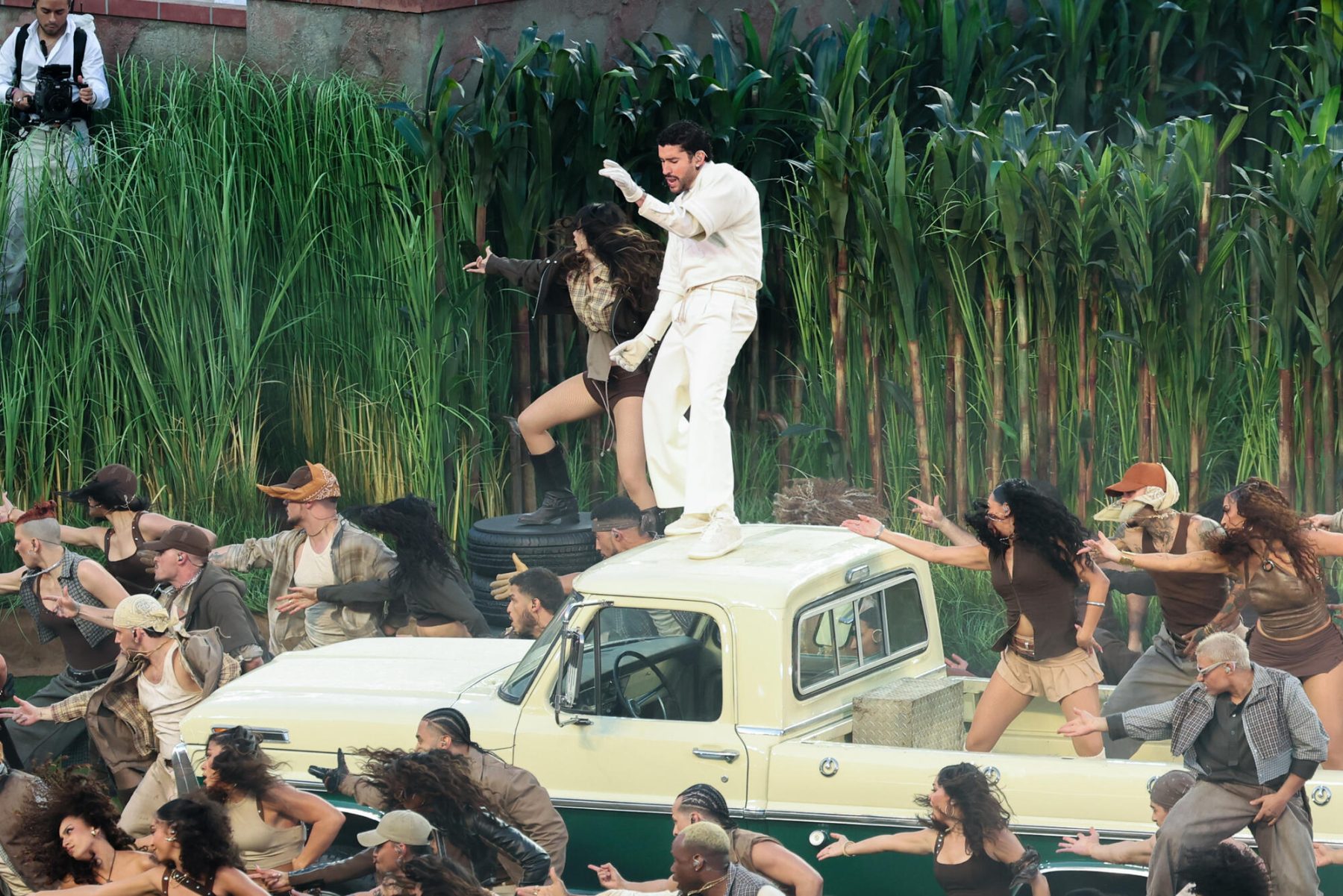
HangupsMusic.com – Santa Clara, California – The electrifying atmosphere of Super Bowl LX on Sunday, February 8, reached a fever pitch during Benito Antonio Martínez Ocasio’s, widely known as Bad Bunny, highly anticipated halftime show at Levi’s Stadium. The performance, a vibrant tapestry of sound and vision, transcended mere entertainment, weaving together deeply personal touches, powerful cultural tributes, and an overarching message of unity that resonated with millions worldwide. From subtle nods to his heritage to star-studded collaborations, the show was a masterclass in global appeal and authentic expression, culminating in a heartwarming interaction with a young fan that became one of the evening’s most talked-about moments.
The stage, a dynamic marvel of engineering and artistic design, immediately drew viewers into Bad Bunny’s unique universe. The set prominently featured a meticulous replica of his iconic "casita," a symbolic representation of home and his Puerto Rican roots that has become a recurring motif in his artistic narrative. This familiar image served as a grounding element amidst the grand spectacle, inviting audiences into a more intimate space within the stadium’s colossal confines. The performance was a relentless surge of energy, characterized by pulsating reggaeton beats, vibrant choreography, and Bad Bunny’s magnetic stage presence. He effortlessly commanded the vast stage, transitioning between high-octane dance numbers and moments of poignant connection.
Among the many meticulously crafted details, Bad Bunny paid homage to his personal journey. A blink-and-you-miss-it detail on the back of his custom jersey, emblazoned with "Ocasio," subtly highlighted his birth name, a quiet but powerful acknowledgment of his origins before the global phenomenon. This personal touch was amplified by overt tributes to his beloved Puerto Rico, with visual elements and possibly musical interludes celebrating the island’s rich culture and resilient spirit. The show was a kaleidoscope of colors, sounds, and rhythms, reflecting the diverse influences that have shaped his groundbreaking career.
The guest appearances further elevated the show’s star power. Music icons Lady Gaga and Ricky Martin joined Bad Bunny on stage, delivering a cross-generational and genre-defying medley that thrilled fans. Gaga’s powerhouse vocals and theatricality, combined with Martin’s enduring Latin pop appeal, created a synergy that underscored the universal language of music. Another particularly poignant cameo came from Toñita, the revered owner of Brooklyn’s Caribbean Social Club, whom Bad Bunny famously immortalized in his track "Nueva Yol." Her presence was a powerful symbol of community, authenticity, and the real-life inspirations behind his art, bridging the gap between his global fame and his deeply personal connections.

However, amidst the myriad highlights, one scene captured the collective heart of the internet: a tender moment where Bad Bunny paused his high-energy set to interact with a child. Within a domestic stage setup, depicting a family gathered around a television, Benito approached a young boy and ceremoniously handed him a replica of a golden gramophone award. This gesture, rich in symbolism, suggested the passing of a torch, an acknowledgment of the next generation, and the inspiring power of dreams.
The child at the center of this viral moment was soon identified as five-year-old actor Lincoln Fox. Following the performance, Fox took to Instagram to share his profound excitement, posting a video of the special interaction alongside a heartfelt caption. "I’ll remember this day forever," Fox wrote, adding, "@badbunnypr – it was my truest honor," accompanied by relevant emojis. His genuine awe and gratitude resonated deeply, transforming what could have been a simple stage prop into a genuinely moving piece of the Super Bowl narrative.
Before Fox’s identity was confirmed, the internet briefly buzzed with speculation. For a short period on Sunday night, many viewers mistakenly believed the child was Liam Conejo Ramos, a five-year-old boy who had recently garnered national attention due to his detention with his father by ICE officers in Minnesota on January 21. The family had been flown to a detention center in Texas before being returned on February 1. The public’s initial assumption underscored the heightened social consciousness surrounding immigration issues and the widespread desire for moments of compassion and recognition for vulnerable populations. The clarification that it was actor Lincoln Fox, while dispelling the immediate political connection, simultaneously reinforced the halftime show’s broader commitment to a message of inclusion and unity, rather than overt partisan statements.
Indeed, the entire halftime performance, from its conception to its execution, seemed meticulously crafted to transcend political divides. In the months leading up to Super Bowl LX, Bad Bunny’s selection as the halftime headliner had faced considerable criticism from certain sectors of the right-wing media and even the White House. Donald Trump, a prominent voice in these critiques, had publicly denounced the choice, stating before the game that it was a "terrible choice… all it does is sow hatred," and referring to Bad Bunny and opening act Green Day as "anti them." This pre-game rhetoric set a tense backdrop, with expectations of a potentially controversial performance.
However, Bad Bunny’s show consciously eschewed partisan political messaging, instead opting for a universal celebration of heritage, family, and shared humanity. The performance culminated in a powerful visual statement as Bad Bunny held aloft a football emblazoned with the words: "Together We Are America." This simple yet profound declaration served as the ultimate rebuttal to the pre-show negativity, encapsulating a vision of the Americas united by culture, music, and mutual respect, rather than divided by borders or ideologies.
Donald Trump, who had reportedly skipped attending the Super Bowl LX – citing the distance as "just too far away" for the Seattle Seahawks’ blow-out win over the New England Patriots – still weighed in with his assessment. While it remains unconfirmed if he watched his political ally Kid Rock’s "All American Halftime Show," a glitchy, low-energy alternative livestream sponsored by Turning Point USA, Trump was quick to offer a scathing review of the official event.
"The Super Bowl Halftime Show is absolutely terrible, one of the worst, EVER! It makes no sense, is an affront to the Greatness of America, and doesn’t represent our standards of Success, Creativity, or Excellence," Trump posted on his Truth Social platform. His harsh critique stood in stark contrast to the overwhelming public and critical reception. CBS, the broadcast network, reported that Bad Bunny’s lively performance was on track to set an all-time record for halftime ratings, with preliminary figures indicating more than 135 million viewers tuned in, dwarfing the audience for any alternative programming.
Ultimately, Bad Bunny’s Super Bowl LX halftime show was more than just a musical performance; it was a cultural phenomenon. It shattered preconceived notions, celebrated diversity, and delivered a powerful, unifying message to a global audience. Through his personal narratives, vibrant tributes, and the tender moment with Lincoln Fox, Bad Bunny cemented his status not only as a global music icon but as an artist capable of inspiring joy and fostering a sense of belonging for millions, proving that genuine connection transcends any political divide. The golden gramophone handed to a young boy on stage became a lasting symbol of hope and the enduring power of music to unite us all.