
 By Rose Miami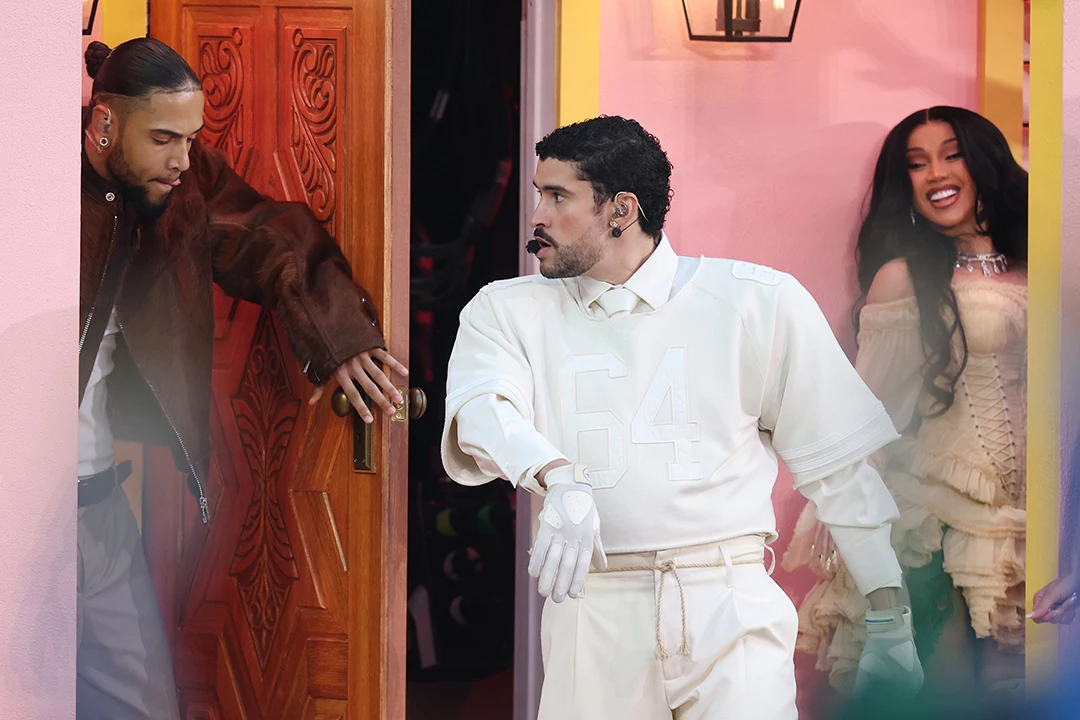
HangupsMusic.com – In a dazzling display of cultural pride and musical prowess, global superstar Bad Bunny delivered a Super Bowl halftime performance that transcended borders and expectations, transforming the stadium into a vibrant celebration of Latin music and heritage. The Puerto Rican sensation, known for his genre-bending artistry and electrifying stage presence, brought a curated selection of iconic collaborators and a visually stunning representation of his homeland to the NFL’s grandest stage. The February 8th event saw Bad Bunny not only command the spotlight with his own extensive catalog but also weave in the distinct talents of Grammy winners Lady Gaga and Ricky Martin, alongside a surprise cameo from hip-hop titan Cardi B, creating a truly unforgettable halftime spectacle.
The centerpiece of Bad Bunny’s performance was a meticulously recreated "La Casita," a traditional Puerto Rican home that served as the nostalgic heart of his critically acclaimed "No Me Quiero Ir de Aquí" concert residency. This iconic structure, bathed in vibrant lighting and evoking a sense of deep cultural connection, provided a picturesque backdrop for the unfolding musical narrative. It was on the porch of this symbolic dwelling that Cardi B made her much-anticipated surprise appearance, adding her signature fiery energy to the already charged atmosphere. Her presence underscored the collaborative spirit of the show, showcasing the interconnectedness of the contemporary Latin music scene.
Cardi B’s appearance was particularly noteworthy as she was in attendance to support her boyfriend, NFL wide receiver Stefon Diggs, who was competing in the championship game as a member of the New England Patriots against the Seattle Seahawks. The couple, who welcomed a son in November, demonstrated a united front, with Cardi B’s Super Bowl appearance adding a layer of personal significance to the already star-studded halftime event.
The performance itself was a masterclass in Bad Bunny’s ability to blend his infectious reggaeton and Latin trap beats with a profound respect for his roots. Dressed in an all-white ensemble, including a jersey bearing the number 64, and a sharp button-down shirt and tie, he exuded an effortless cool as he navigated through a setlist that spanned his career. His commitment to performing entirely in Spanish was a powerful statement, reinforcing his identity and connecting with a global audience on a deeply authentic level.

Bad Bunny’s performance was punctuated by the distinct vocal stylings of his esteemed guests. Lady Gaga joined him for a rendition of "Die With a Smile," a collaboration that highlighted the unexpected yet harmonious blend of their artistic worlds. Ricky Martin, a legend in his own right and a torchbearer for Latin music on the global stage, lent his veteran charisma to "Lo Que Le Pasó a Hawaii," further cementing the intergenerational appeal of the performance. The inclusion of these artists was not merely a collection of popular names; it represented a deliberate curation of talent that celebrated the evolution and enduring impact of Latin music.
The setlist delved into some of Bad Bunny’s most celebrated tracks, including anthems like "Titi Me Preguntó," "Yo Perreo Sola," and "Safaera." Each song was delivered with an intensity that resonated through the stadium, prompting widespread audience participation and creating a palpable sense of shared joy. The visual presentation was equally captivating, with dynamic lighting, elaborate stage design, and energetic dancers contributing to an immersive experience that extended beyond the auditory realm. The "La Casita" set piece, in particular, served as a constant reminder of the cultural bedrock upon which Bad Bunny’s artistry is built.
Beyond the immediate spectacle, Bad Bunny’s halftime show served as a broader cultural moment. It was a powerful affirmation of Latinx identity and artistry on one of the world’s largest platforms. By showcasing a diverse range of talent and remaining steadfast in his linguistic and cultural expression, Bad Bunny not only entertained but also educated and inspired millions. The inclusion of actors like Pedro Pascal and singers like Karol G and Young Miko, who were seen mingling with Cardi B in the "La Casita" setting, further emphasized the interconnectedness and burgeoning influence of the Latin creative community.
The Super Bowl halftime show has long been a stage for iconic musical moments, and Bad Bunny’s 2026 performance etched itself into that history. It was a testament to his status as a global phenomenon and a champion of Latin culture. The show was a vibrant tapestry woven with infectious rhythms, powerful collaborations, and a deep sense of cultural pride, leaving an indelible mark on the Super Bowl’s legacy and solidifying Bad Bunny’s position as a true musical titan. The event served as a powerful reminder of the universal language of music and the growing global appreciation for the rich diversity of Latin artistry.