
 By Azzam Bilal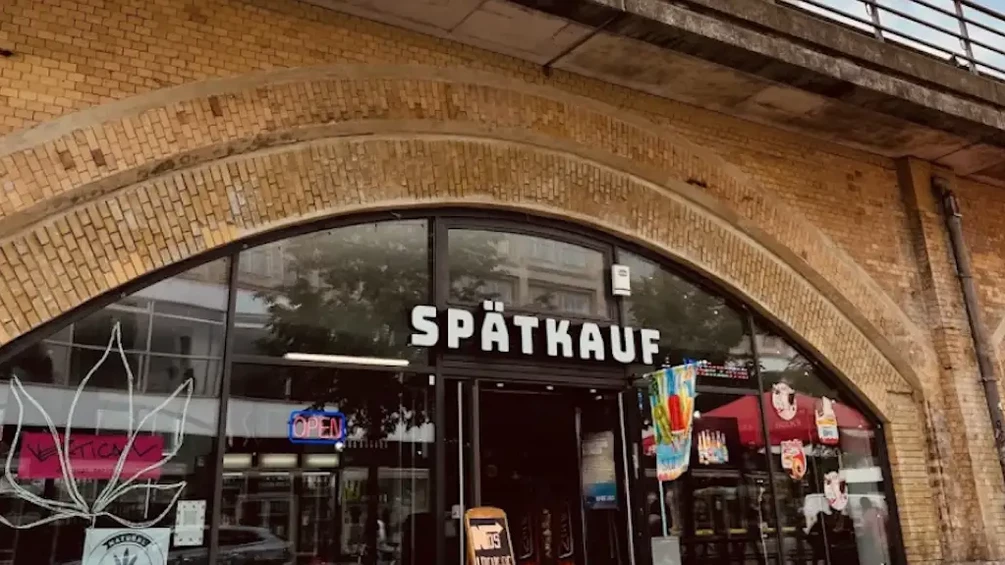
HangupsMusic.com – Berlin, The landscape of Berlin’s nightlife is undergoing a significant transformation, proving that despite the persistent pressures of gentrification and urban development, the city’s underground pulse remains resilient. In a move that signals a fresh chapter for the Mitte district, a major new venue named AMT is preparing to open its doors within the historic architectural fabric of Alexanderplatz. Situated beneath the rhythmic vibrations of the S-Bahn arches, the club occupies a space that once housed a casino, marking a literal and metaphorical transition from the world of high-stakes gambling to the immersive culture of electronic music.
Located at Dircksenstraße 114, AMT is positioned in one of the city’s most recognizable transit corridors. The entrance is tucked away beneath the railway tracks, adjacent to a quintessential Berlin late-night convenience store, or "Späti." This juxtaposition of the mundane and the extraordinary is a hallmark of the city’s clubbing identity, where world-class sound systems are often found hidden behind unassuming facades. The venue boasts a capacity of 1,000 patrons, a substantial addition to the city’s inventory of medium-to-large-scale dance spaces.
The project is the brainchild of Robert Havemann, a figure already well-integrated into the local hospitality and nightlife scene. Havemann is perhaps best known as the founder of Velvet, a popular bar in the Neukölln district that earned a reputation for its curated atmosphere and community-focused vibe. With AMT, Havemann is scaling up his vision significantly, moving from the intimate confines of a neighborhood bar to a sprawling, multi-level industrial complex in the heart of the city.
Architecturally, AMT is designed to offer a multifaceted experience. The 1,000-capacity venue is split across two distinct floors, allowing for a diversity of soundscapes and atmospheres within a single night. In keeping with Berlin’s long-standing traditions of club culture, the layout also includes a dedicated darkroom and a chill-out area. These spaces are essential components of the city’s nightlife heritage, providing areas for sensory reprieve and social interaction that go beyond the intensity of the main dance floors. The inclusion of these zones suggests that AMT is not merely a commercial venture but a space designed with the specific needs and customs of the local electronic music community in mind.
One of the most anticipated aspects of AMT is its commitment to high-fidelity audio. In a city where the quality of a sound system can determine a venue’s longevity and reputation, Havemann has spared no expense. The club will feature a bespoke Kirsch sound system, a brand synonymous with clarity, power, and sonic warmth. To ensure the system is perfectly tuned to the unique acoustics of the brick-lined S-Bahn arches, the club has enlisted the expertise of Willsingh Wilson. As the lead engineer at Wax Acoustics, Wilson has built a formidable reputation for designing sound environments that are as much about the physical feeling of the bass as they are about the precision of the high frequencies. This custom-designed installation is expected to make AMT a primary destination for audiophiles and purists who prioritize the listening experience above all else.
The timing of AMT’s arrival is particularly poignant for the Berlin scene. For several years, the city has been embroiled in a conversation about "Clubsterben," or the "dying of clubs." Rising rents, noise complaints from new luxury developments, and the lingering effects of the global pandemic have threatened many of the city’s most beloved institutions. The announcement of a new, large-scale venue in a central location like Alexanderplatz provides a much-needed counter-narrative to these concerns. It suggests that there is still room for growth and investment in the "Techno Capital," even in areas that have become increasingly commercialized.
This sense of optimism is further bolstered by recent news regarding Renate, one of Berlin’s most iconic multi-room clubs. After facing a period of intense uncertainty and an initial announcement that it would be forced to close its doors permanently in 2025, Renate recently revealed that it had secured a license extension. The venue will now remain operational through at least 2026. While this is a temporary reprieve rather than a permanent solution, it has provided the community with a sense of relief. The duality of Renate’s survival and AMT’s birth highlights the precarious but persistent nature of the Berlin scene.
The challenges facing the city’s nightlife were recently brought into sharp focus by a new documentary investigating the causes and consequences of club closures. These films and journalistic efforts have highlighted how clubs are not just businesses but essential cultural institutions that contribute to Berlin’s global identity and economic vitality. By reclaiming a former casino—a symbol of individualistic gain—and turning it into a club—a symbol of collective experience—AMT fits perfectly into the ongoing story of Berlin’s cultural evolution.
Alexanderplatz, while historically significant, has often been viewed by locals as a tourist-heavy area lacking the raw, underground edge found in districts like Friedrichshain or Wedding. The opening of AMT at Dircksenstraße 114 could potentially shift this perception. By bringing a high-capacity, sound-focused venue back to the center of the city, Havemann is challenging the idea that the "real" Berlin nightlife only exists on the periphery. The S-Bahn arches themselves carry a certain historical weight; they have witnessed the city’s division, its reunification, and its subsequent rise as a cultural powerhouse. Utilizing these arches for a club is a nod to the 1990s era of Berlin clubbing, when derelict spaces in the former East were transformed into the foundations of the modern techno movement.
While the official line-ups for the opening weeks have yet to be confirmed, the pedigree of those involved suggests a programming lean toward the sophisticated and the cutting-edge. Given Havemann’s background with Velvet and the heavy investment in the Kirsch sound system, industry insiders expect a mix of local stalwarts and international guests who appreciate a venue where the music is the central protagonist. The club is currently slated to open its doors in early March, with a series of launch events expected to showcase the full capabilities of the two-floor layout and the custom audio rig.
For those looking to stay informed on the specific opening dates and upcoming artist rosters, the club has launched a dedicated website and social media presence under the "Club AMT" moniker. As the final touches are put on the renovations, the anticipation within the city continues to build. AMT represents more than just a new place to dance; it represents a vote of confidence in the future of Berlin’s nightlife. In a city that is constantly changing, the arrival of a 1,000-capacity temple of sound beneath the tracks of Alexanderplatz is a reminder that the beat of Berlin is far from fading. It is simply moving into new, expertly tuned spaces, ready to welcome a new generation of revelers into its subterranean embrace.