 By admin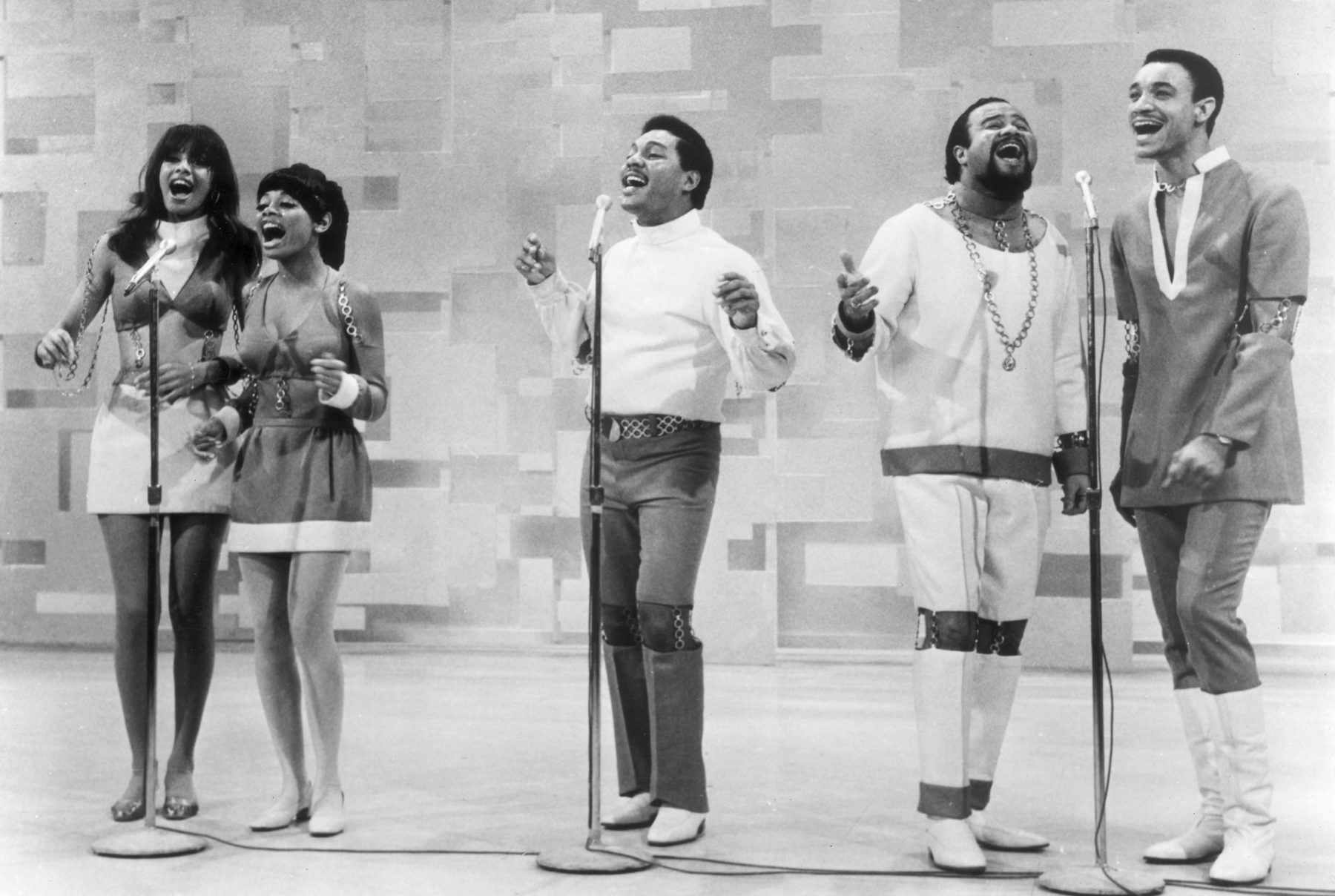
HangupsMusic.com – Los Angeles, California – The recent passing of LaMonte McLemore, a pivotal founding member of the iconic vocal group The 5th Dimension, has sparked a poignant resurgence of interest in their unparalleled catalog. McLemore, who died on Tuesday, February 4, 2026, at the age of 88, was not only a smooth baritone and an accomplished photographer but also an integral part of the quintet’s sophisticated sound and visual appeal. His departure has prompted fans and critics alike to revisit the timeless harmonies and impeccably crafted pop-soul masterpieces that defined an era, shining a renewed light on a group whose immense commercial success often overshadowed a deeper critical appreciation.
The 5th Dimension, comprised of McLemore, Marilyn McCoo, Billy Davis Jr., Florence LaRue, and Ron Townson (who passed in 2001), achieved extraordinary heights of popularity during the late 1960s and early 1970s. Their dominance on the airwaves was undeniable, with an impressive twenty singles charting within the top 40 of the Billboard Hot 100 between 1967 and 1973. Beyond mere chart performance, their artistry was recognized with two coveted Grammy Awards for Record of the Year: first for the whimsical and uplifting "Up, Up and Away" and later for the culturally resonant medley "Aquarius/Let the Sunshine In." These accolades cemented their place in the annals of pop music history, yet despite this undeniable impact, the group found themselves increasingly overlooked in subsequent decades, notably by institutions like the Rock & Roll Hall of Fame, often dismissed for being "too pop" or perhaps, ironically, too polished.
This historical oversight began to unravel in 2021 with the release of Ahmir "Questlove" Thompson’s critically acclaimed and Oscar-winning documentary, Summer of Soul (…Or, When the Revolution Could Not Be Televised). The film, which meticulously chronicled the forgotten 1969 Harlem Cultural Festival, featured electrifying footage of The 5th Dimension performing alongside legends such as Sly & the Family Stone, Nina Simone, and Stevie Wonder. This cinematic rediscovery served as a powerful corrective, peeling back layers of misconception and revealing the group in their raw, dynamic prime. The performance captured in the documentary was a vivid reminder of their exceptional vocal talent, stage presence, and undeniable soulfulness, challenging the long-held notion that their sophisticated arrangements and often optimistic lyrical themes rendered them somehow less "authentic" or too saccharine for serious consideration. It was a moment of long-overdue recognition, allowing The 5th Dimension to finally receive their "flowers" from a broader audience and a new generation of music enthusiasts.
The genesis of The 5th Dimension is a testament to the power of collective talent and a shared vision. Formed in Los Angeles in 1966, the group initially performed under the name The Versatiles, a moniker that, in hindsight, proved remarkably prescient. Each member brought a distinct vocal quality and personality to the ensemble: McCoo’s crystalline lead soprano, LaRue’s soaring high notes, Davis Jr.’s powerful tenor, Townson’s rich, classically trained bass-baritone, and McLemore’s steady baritone and engaging stage presence. Their journey from local clubs to national stardom was propelled by their signing with Johnny Rivers’ Soul City Records, where Rivers, himself a successful artist, recognized their unique potential. His early belief in their "hit sound" and "strong visual appeal," as he penned in their debut album’s liner notes, was instrumental in their early trajectory, predicting a longevity that indeed came to pass.
Their sound was a deliberate and masterful fusion, far more complex than the simple "pop" label often afforded them. While their accessibility and melodic hooks were undeniably pop, The 5th Dimension seamlessly wove together elements of soul, jazz, rock, and even light opera. This versatility was evident in their sophisticated arrangements, often helmed by the brilliant Bones Howe, who sculpted their vocal harmonies into lush, orchestral tapestries. Ron Townson’s background in classical and gospel music, in particular, injected a depth and theatricality into their performances, allowing them to navigate intricate vocal lines with an ease that belied their complexity. They weren’t just singing songs; they were interpreting them with an artistic integrity that elevated the material.
A significant pillar of The 5th Dimension’s success lay in their impeccable choice of material and their deep collaborative relationships with some of the era’s most gifted songwriters. Chief among these were Jimmy Webb and Laura Nyro. Webb, known for his intricate melodies and evocative storytelling, found a perfect vehicle for his compositions in The 5th Dimension. They brought his nuanced narratives to life on hits like "Up, Up and Away," which won multiple Grammys and became a signature song, and "Worst That Could Happen." Their ability to convey the emotional depth and lyrical sophistication of Webb’s work was unparalleled, making his songs resonate with millions.
Equally crucial was their relationship with Laura Nyro, a pioneering singer-songwriter whose unique blend of pop, soul, and theatricality was often ahead of its time. The 5th Dimension served as interpreters who introduced Nyro’s groundbreaking compositions to a mainstream audience, turning her deeply personal songs into massive hits. "Stoned Soul Picnic," "Wedding Bell Blues" (which became their first number-one single), "Sweet Blindness," and "Save the Country" are just a few examples of Nyro’s songs that, through The 5th Dimension’s rendition, achieved widespread acclaim. They possessed an innate understanding of her lyrical poetry and melodic inventiveness, translating her artistic vision into commercial triumph without sacrificing its integrity. Beyond Webb and Nyro, the group also showcased an uncanny ability to select and transform songs by other notable writers, demonstrating an astute ear for quality material, whether it was a cover of "Never My Love" or a Bacharach/David composition.
The impact of Summer of Soul on The 5th Dimension’s legacy cannot be overstated. The documentary provided irrefutable visual evidence of their artistry, capturing a performance that was vibrant, soulful, and deeply engaging. It dispelled the notion of a "manufactured" or "too perfect" image, revealing a group that was genuinely connected to the cultural currents of their time. Their appearance at the Harlem Cultural Festival, an event steeped in Black pride and community spirit, showcased their versatility and their resonance within the broader spectrum of Black music, firmly positioning them as a soul group with crossover appeal, rather than merely a pop act. This rediscovery has allowed for a much-needed re-evaluation, ensuring that their contributions are seen not just as catchy tunes but as significant artistic achievements that blended genres and broke barriers.
As the music world mourns LaMonte McLemore, it also takes stock of the remarkable journey of The 5th Dimension. Their legacy is one of sophisticated vocal artistry, groundbreaking collaborations, and an enduring sound that continues to captivate. Their music, with its messages of hope, love, and unity, remains as relevant today as it was half a century ago. The recognition brought by Summer of Soul has served as a powerful testament to their timeless appeal, correcting historical oversights and firmly cementing their place as one of the most innovative and influential vocal groups in modern music history. Their harmonies, once dismissed by some, now stand as a testament to the fact that true musical genius, in all its polished or raw forms, will ultimately find its deserved appreciation.