 By Azzam Bilal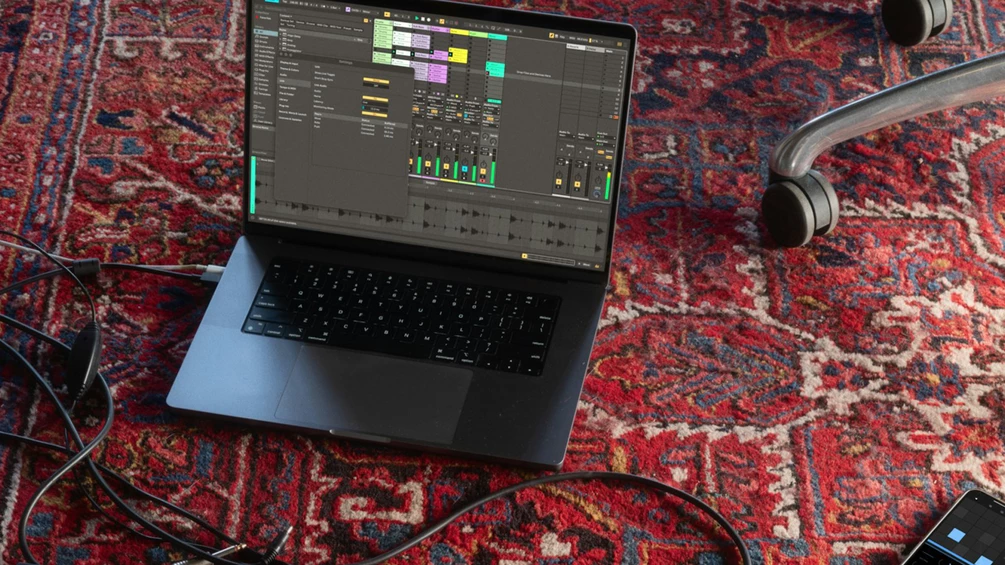
HangupsMusic.com – Berlin, Germany, The rapid evolution of digital audio workstations has reached a new milestone as Ableton announces the launch of Live 12.4 into its public beta testing phase. Coming shortly after the significant 12.3 update, which introduced the much-discussed stem separation technology, this latest iteration signals a deeper commitment to ecosystem integration. While incremental updates in the software world often focus on minor bug fixes, Live 12.4 introduces structural changes to how audio moves between devices and how users interact with the software’s educational resources. The centerpiece of this update is Link Audio, a feature that promises to redefine the workflow for producers who split their time between standalone hardware and the traditional computer-based environment.
The introduction of Link Audio represents a significant technological leap for the Ableton ecosystem. For years, Ableton Link has been the industry standard for synchronizing tempo, phase, and start/stop commands across multiple devices over a local network. It allowed DJs and live performers to stay in time without the headaches of traditional MIDI clocking. However, Link Audio takes this a step further by enabling the actual streaming of audio signals between Link-enabled devices in real time. This means that a producer working on an Ableton Move or a Push in standalone mode can now route audio directly into their main Live session on a laptop or desktop without the need for physical cables or complex audio interface routing. This functionality is particularly transformative for those who utilize Ableton’s mobile ecosystem, including the Note app, as it effectively turns mobile devices into wireless external instruments or processing units.
Beyond connectivity, Ableton has turned its attention to refining its internal suite of effects, ensuring that the sound quality remains consistent across its various platforms. Three of the most frequently used audio effects—Erosion, Chorus-Ensemble, and Delay—have undergone significant revamps. Erosion, a tool beloved for its ability to add digital "grit" and character through noise and sine-wave modulation, has been redesigned to align with the processing capabilities of Ableton Move and the Note mobile app. This ensures that a preset created on the go will sound identical when the project is moved to a desktop environment. Similarly, the Chorus-Ensemble and Delay effects have been modernized, likely to provide better CPU efficiency and a more intuitive user interface, keeping them in line with the sleek aesthetic introduced in Live 12.
The stem separation tool, which was the headline feature of the 12.3 update, has also received meaningful refinements in this beta. Originally, the tool would generate individual tracks for each separated element—drums, bass, vocals, and instruments—which could occasionally clutter a session. In Live 12.4, Ableton has responded to user feedback by allowing producers to merge these separated stems onto a single track. This update facilitates a cleaner workflow, especially for those who use stem separation for quick sampling or for isolating specific frequencies before applying further processing. It reflects a shift toward "smart" production, where the software anticipates the need for organization and project management.
Education and onboarding have also been reimagined in this version. The traditional "Help" view, which has been a staple of the Ableton interface for decades, is being phased out in favor of a new "Learn" view. This isn’t merely a name change; it represents a fundamental shift in how Ableton intends to support its users. The Learn view offers structured tutorials that integrate short, high-quality video demonstrations with concise text. By moving away from static manuals toward an interactive, media-rich learning environment, Ableton is lowering the barrier to entry for new users while helping seasoned veterans master the complex modulation and routing features introduced in the Live 12 cycle. This move acknowledges the modern producer’s preference for visual learning and immediate, actionable information.
The release of Live 12.4 also highlights the success of Ableton’s recent business model shifts. Last year, the company introduced a rent-to-own plan for Live 12 Suite, making its most comprehensive software package accessible to a broader demographic of creators. By providing constant, high-value updates like 12.4 to these subscribers and owners, Ableton maintains its position as a market leader in a competitive landscape that includes Logic Pro, FL Studio, and Bitwig. The focus on "ecosystem" rather than just "software" is a clear strategy; by making the Move, Note, Push, and Live software work as a single, cohesive unit through Link Audio, Ableton is creating a workflow that is difficult for competitors to replicate.
For members of the Ableton Beta Program, this update is currently available for testing. The public beta phase is a critical part of Ableton’s development cycle, allowing the company to gather data on how Link Audio performs across various network configurations and hardware setups. Given the complexity of streaming audio over local networks, the feedback from beta testers will be essential in ensuring low latency and high stability before the general release. Historically, Ableton’s beta periods last several weeks, suggesting that a stable release for all Live 12 owners could be on the horizon by the end of the quarter.
The broader implications of these updates suggest that the "DAW" is no longer just a program on a computer. It is becoming a distributed network of tools. With the revamped effects appearing on Move and Note, Ableton is ensuring that the sonic fingerprint of its software is ubiquitous. A producer can start a beat on a handheld device using the updated Erosion effect, sync it perfectly via Link, and then stream the audio into a professional studio environment for final mixing—all without losing the specific character of the original sound. This level of mobility and integration is precisely what modern electronic music production demands, as the lines between "home studio," "live performance," and "mobile sketching" continue to blur.
Furthermore, the refinements to the stem separation workflow indicate that Ableton is not content with simply adding "AI" features for the sake of marketing. Instead, they are focusing on how these tools actually fit into a professional’s daily routine. The ability to merge stems shows an understanding of the "session view" versus "arrangement view" philosophy, where space and clarity are at a premium. By streamlining these processes, Ableton allows the creator to spend less time on technical housecleaning and more time on the creative aspects of composition.
As the industry looks forward to the full release of 12.4, the focus remains on how these connectivity features will be utilized by the community. Link Audio, in particular, opens the door for new types of collaborative performances. Imagine multiple artists on a stage, each with their own Ableton-enabled device, not just playing in time, but actively feeding audio into each other’s sessions for real-time processing and remixing. It is a bold step toward a more modular and interconnected future for music production.
In conclusion, Ableton Live 12.4 is more than just a collection of new buttons and sliders. It is an ambitious attempt to unify a fragmented hardware and software landscape. By prioritizing real-time audio streaming, refining essential sound design tools, and modernizing the way users learn the platform, Ableton is ensuring that Live remains the central nervous system of the modern music studio. For those invested in the Ableton ecosystem, this update provides a glimpse into a future where the physical location of your hardware matters less than the network it is connected to. As the beta progresses, the music production community will undoubtedly find innovative ways to push these new tools to their limits, further cementing Ableton’s legacy as a pioneer in the digital audio space.