
 By admin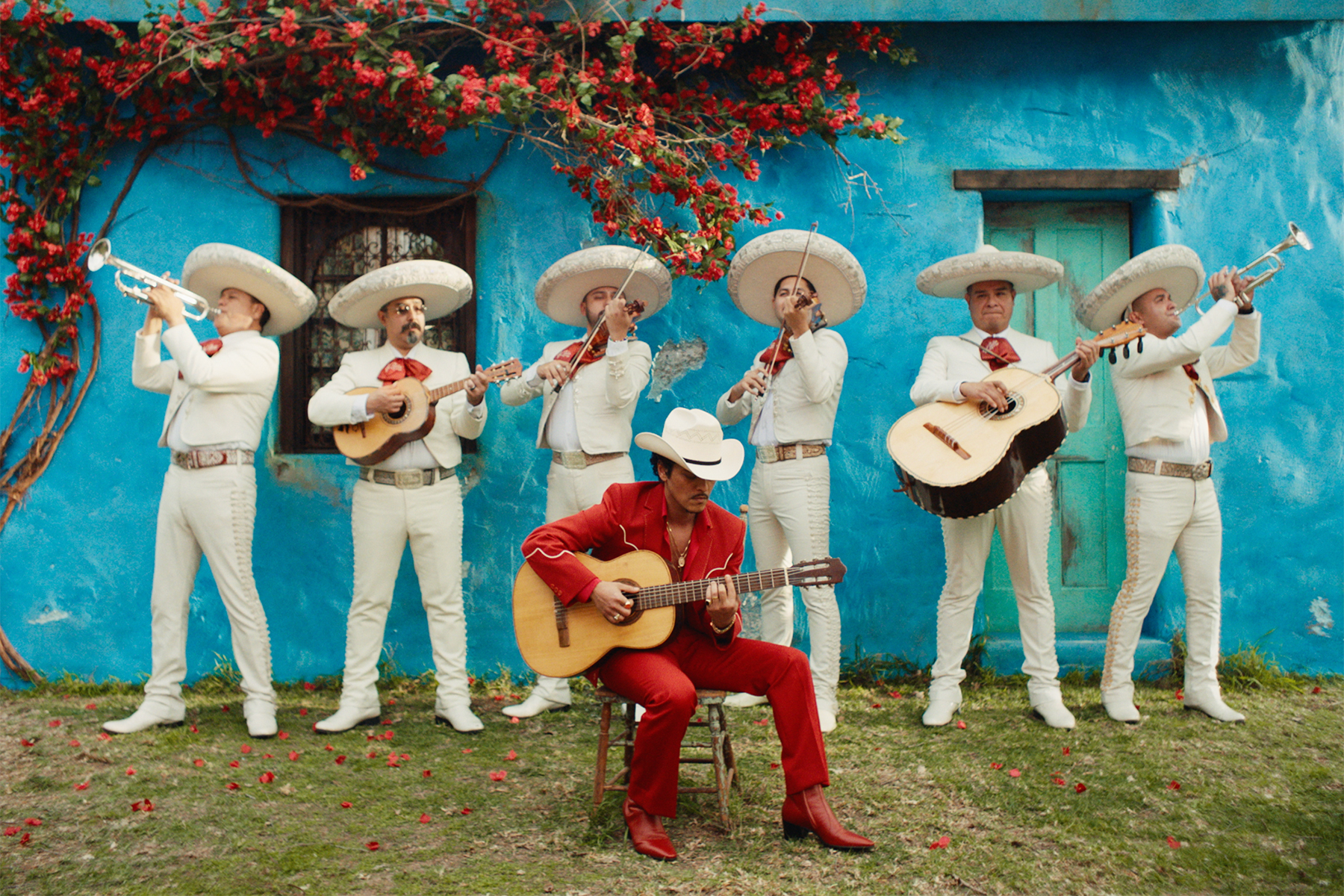
HangupsMusic.com – For over a decade, Peter Gene Hernandez, globally celebrated as Bruno Mars, has captivated audiences with his masterful blend of soul, funk, and R&B, crafting a polished pop sound synonymous with shimmering romance and infectious grooves. His career has been a testament to his versatility and undeniable showmanship, yielding a string of chart-topping hits and critical acclaim. However, with the release of his highly anticipated fourth studio album, The Romantic, Mars embarks on a profoundly personal and artistic journey, venturing into the rich tapestry of his Latin heritage like never before. This marks his first solo LP in a decade, and it signals a significant evolution, as the Hawaii-born artist, whose mother is Filipino and father Puerto Rican, consciously and exquisitely leans into the diverse sounds that echo his roots.
The Romantic is not merely an album; it is an immersive sonic exploration that showcases Mars’ deep respect and understanding of Latin musical traditions. Throughout the project, he skillfully navigates a spectrum of genres, from the melancholic beauty of boleros and the vibrant energy of salsa to the dramatic flair of mariachi and the infectious rhythms of cha-cha-chá, all while infusing his signature modern polish. This deliberate foray into Latin music provides a fresh perspective on Mars’ artistry, revealing a new layer of his musical identity and demonstrating his enduring commitment to innovation. The album’s title itself, The Romantic, becomes a fitting umbrella for these genres, many of which are steeped in narratives of love, passion, and longing.
The album commences with a striking declaration of intent on "Risk It All," immediately immersing the listener in a lavish soundscape. A dramatic surge of trumpets, both powerful and poignant, intertwines with the delicate, melancholic sweep of strings, creating an opening that is nothing short of cinematic. This grand overture instantly conjures the spirit of the bolero, a quintessential romantic ballad form that originated in Cuba and found immense popularity and evolution in Mexico. Known for its heartfelt lyrics, often expressing unrequited love or profound yearning, the bolero tradition is embodied by legends like Agustín Lara and Javier Solís, whose works are foundational to Latin American romance. Mars’ rendition pays homage to this lineage with meticulous detail.
The production credits for "Risk It All" reveal a commitment to authentic instrumentation, featuring a veritable orchestra of session musicians. A prominent saxophonist adds a soulful depth, while a robust string section comprising six violinists, two viola players, and a cello player weaves intricate, emotive harmonies. The brass section, featuring a pair of trumpet players, delivers the genre’s characteristic dramatic flourishes. Crucially, the presence of conga player Daniel Rodriguez, a musician known for his work with Mars, including a notable performance at the artist’s 2025 New Year’s Eve show in Las Vegas, underscores the track’s rhythmic authenticity. Beyond the auditory, Mars extends his cultural homage into the visual realm with the music video for "Risk It All." Here, visual nods to Mexican culture abound, most notably through the incorporation of a traditional mariachi band, whose presence instantly amplifies the song’s dramatic and romantic essence. Further, Mars is seen sporting a Virgen de Guadalupe gold chain, a powerful and widely recognized symbol of Mexican religious and cultural identity, signaling a profound personal connection to the heritage he explores.
Transitioning seamlessly, the album’s second track, "Cha Cha Cha," shifts the mood to a more vibrant and danceable rhythm. Here, Mars embraces the infectious energy of salsa, albeit with a characteristically mellowed-out approach. Daniel Rodriguez’s conga drums once again take center stage, laying down a foundational rhythm that invites movement. Mars, with his signature croon, encourages listeners to surrender to the beat, explicitly referencing the Cuban dance rhythm from which the song draws its name. The track is a masterclass in genre fusion, integrating the distinctive cowbell chimes that are emblematic of the cha-cha-chá, a style developed in Cuba in the 1950s known for its syncopated rhythm and three quick steps. The instrumentation continues to impress, with trumpets and strings providing a sensual backdrop that elevates the song’s inherent romanticism and allure. What truly highlights Mars’ genre-bending genius, however, is the subtle yet effective interpolation of lyrics from rapper Juvenile’s "Slow Motion." This unexpected blend of classic Cuban dance rhythms with a touch of Southern hip-hop showcases Mars’ ability to bridge disparate musical worlds, proving his unparalleled talent for creating cohesive, yet innovative, sonic tapestries.
Further into the album, "Something Serious" injects a dose of vibrant funk, distinctly reminiscent of the iconic Chicano-inspired sounds that emerged from the American Southwest. The track immediately calls to mind classics like War’s seminal "Lowrider," with its cruising basslines and laid-back groove, and the legendary Tito Puente’s "Oye Cómo Va." Puente, a Nuyorican (New York-born Puerto Rican) songwriter and a titan of Latin music, originally penned "Oye Cómo Va" in 1962 as a cha-cha-chá, before it was famously reimagined and popularized by Santana in 1970, bridging Latin rhythms with rock. "Something Serious" channels this rich legacy, presenting a high-spirited party vibe that is both celebratory and deeply rooted in Latin musical tradition.
The track once again features the distinctive clang of cowbells, expertly woven into a dynamic arrangement that includes lively guitar riffs and the soulful, punctuating bursts of a trombone, skillfully played by Kameron Whalum, a fellow member of Mars’ Grammy-winning supergroup Silk Sonic. Whalum’s contribution adds a layer of sophisticated funk and brassy exuberance that elevates the track, making it a standout example of Mars’ ability to blend intricate musical textures. "Something Serious" not only provides a powerful rhythmic counterpoint to the album’s more overtly romantic tracks but also stands as a testament to the enduring influence of Latin rhythms within American popular music, particularly in the Chicano funk and soul traditions. It demonstrates Mars’ appreciation for the diverse manifestations of Latin musicality, from the dance floor to the cruising streets, and highlights his own multifaceted identity.
The Romantic represents more than just a collection of songs; it is a profound artistic statement from Bruno Mars. By openly embracing and expertly interpreting the Latin sounds of his heritage, Mars not only honors his roots but also enriches his already illustrious discography. This album positions him not just as a pop superstar, but as a global artist deeply attuned to the nuances of world music, capable of seamlessly weaving diverse cultural threads into a cohesive and compelling narrative. It speaks to a mature artist confident in his identity and unafraid to explore new sonic territories. For fans and critics alike, The Romantic offers a captivating journey into the heart of Latin music, seen through the inimitable lens of Bruno Mars, solidifying his status as one of the most versatile and influential musicians of his generation. The album is a testament to the power of music to connect with personal history, offering a vibrant, heartfelt exploration that promises to resonate deeply and endure for years to come.