
 By Azzam Bilal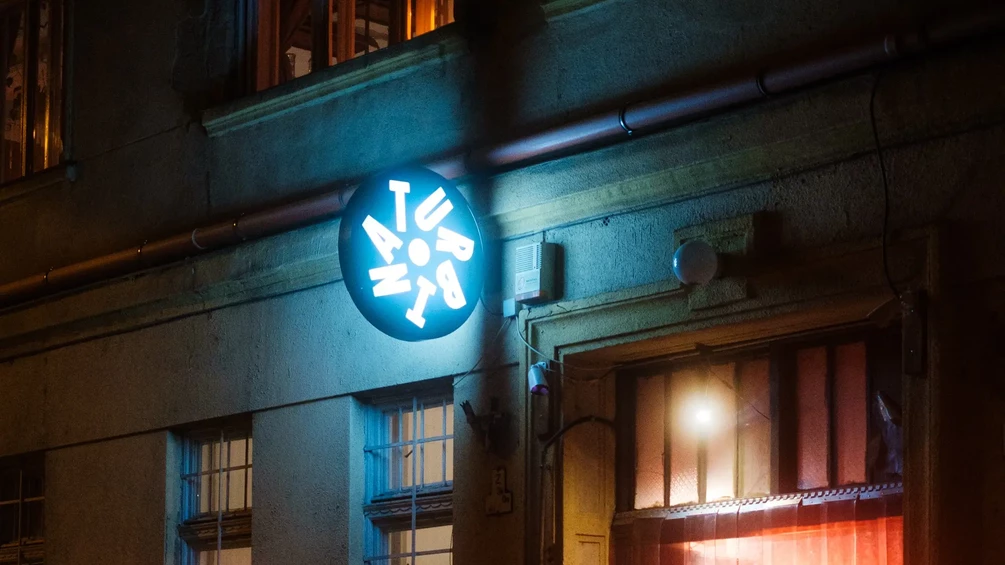
HangupsMusic.com – Budapest, The nightlife landscape of the Hungarian capital is currently navigating one of its most turbulent periods in recent memory. For decades, Budapest has been celebrated globally as a premier destination for electronic music, alternative culture, and its unique "ruin bar" aesthetic. However, a series of aggressive police interventions and the introduction of stringent new legal frameworks have sent shockwaves through the city’s creative community. In recent weeks, several of Budapest’s most prominent cultural and nightlife venues have been forced to shutter their doors, leaving artists, staff, and patrons questioning the future of the city’s independent music scene.
The most recent and perhaps most high-profile casualty of this crackdown is the Turbina Cultural Centre. Located in the historically gritty but rapidly gentrifying 8th district (Józsefváros), Turbina has evolved into much more than a simple nightclub. It serves as a multidisciplinary hub, hosting art exhibitions, community workshops, and a diverse range of musical performances. On Wednesday, March 4th, the venue was ordered to cease operations immediately. According to reports from local news outlets like Telex, the closure was triggered by police allegations of illicit drug commerce on the premises. Authorities claimed that a Tunisian national had been utilizing the space to distribute marijuana, ecstasy, and amphetamine-based powders. The individual in question was reportedly apprehended on February 26th, but the fallout for the venue itself has been swift and severe.
The management of Turbina has reacted with a mixture of shock and defiance. In a public statement shared via social media, the team revealed a frustrating paradox: in the weeks leading up to the forced closure, the venue had been under intense undercover surveillance. During this period, police officers reportedly found no evidence of systemic failures or illegal activity. In fact, the venue management claims they were explicitly told by authorities that their operation was "exemplary." The sudden pivot from being a model establishment to being shuttered based on the testimony of a single ongoing investigation has raised concerns about the fairness of the current enforcement strategy. The "testimony" mentioned appears to link an individual’s purchase of illegal substances to the venue, a move that Turbina’s leadership argues is an unfair basis for a total operational shutdown.
The stakes for Turbina are not merely cultural but deeply economic. The venue supports a workforce of over 100 people, from sound engineers and lighting technicians to bar staff and curators. The management has expressed a desperate commitment to preventing a total financial collapse, emphasizing that their mission is to provide a home for Budapest’s independent creative voices—a mission that is now under existential threat.
Turbina is far from an isolated case. Just days prior, at the end of February, another cornerstone of the city’s electronic music scene, Arzenál, was also forced into a hiatus. Known for its industrial atmosphere and hosting high-energy techno events, Arzenál announced that it would be unable to host any gatherings until at least April 27th. Like Turbina, the closure of Arzenál followed a series of drug-related arrests, signaling a coordinated effort by Budapest police to target large-scale gathering spaces. Since December, at least eight venues have fallen victim to these new enforcement powers, indicating a systemic shift in how the city regulates its late-night economy.
To understand the current crisis, one must look at the legislative changes that have reshaped the Hungarian legal landscape over the past year. In April 2023, the Hungarian parliament ratified some of the strictest drug possession laws in the European Union. These regulations introduced a harsh ultimatum for those caught with illegal substances: individuals face up to two years of incarceration unless they are willing to cooperate with authorities by naming their suppliers. This "name-your-dealer" clause has created a high-pressure environment for club-goers and has likely contributed to the increase in testimonies used to target specific venues.
Furthermore, in December 2023, the government bolstered these measures by amending Section 4 of Act LXXV of 1999. This specific piece of legislation grants the police the extraordinary power to shut down a business for up to three months if there is even a suspicion that the venue is "facilitating" the use or production of mind-altering substances. Crucially, these closures can be enacted before a full judicial review or trial, allowing the state to effectively paralyze a business based on preliminary reports. This legislative "hammer" has become the primary tool in the ongoing crackdown, moving the focus away from individual users and toward the institutions that host them.
The momentum for this crackdown began to build in late 2023. In November, a massive police raid at the DOJO Boutique Club served as a precursor to the current atmosphere. During that operation, over 200 individuals were detained and subjected to drug testing. The scale of the DOJO raid signaled that the era of relatively relaxed oversight for Budapest’s upscale and alternative nightlife was coming to an end. Since then, the frequency and intensity of police presence in the 6th, 7th, and 8th districts—the heart of the city’s nightlife—have escalated significantly.
The cultural implications of these closures are profound. Budapest’s nightlife has long been a sanctuary for marginalized groups and a laboratory for avant-garde art. By targeting these spaces, the authorities are not just addressing drug use; they are dismantling the infrastructure of the city’s independent culture. Many in the industry argue that the "zero tolerance" approach fails to account for the proactive harm-reduction measures many clubs already have in place. Instead of collaborating with venue owners to ensure safety, the current strategy appears to favor punitive measures that prioritize closure over cooperation.
For the international music community, the situation in Budapest is a cautionary tale of how quickly a vibrant cultural scene can be stifled by legislative shifts. The city, which hosts major festivals like Sziget and is a frequent stop for world-renowned DJs, risks losing its reputation as a hub of creative freedom. If the trend continues, the economic damage to the tourism sector—much of which is driven by the city’s famous nightlife—could be substantial.
As it stands, the future of venues like Turbina and Arzenál remains uncertain. While the closures are currently described as temporary, the financial strain of months without revenue can be a death knell for independent businesses. The management teams of these venues are currently navigating a complex legal maze, attempting to prove their compliance and safeguard the jobs of their employees. Meanwhile, the broader community is left to wonder which venue might be next on the list.
The debate in Budapest has now transcended the issue of drug enforcement, evolving into a larger conversation about the role of nightlife in modern society. Is a club merely a commercial enterprise, or is it a vital community asset that deserves protection? In the eyes of the Hungarian authorities, the answer currently seems to lean toward the former, with the law being used as a blunt instrument to enforce a specific vision of public order. For the dancers, artists, and workers who call these spaces home, the fight to keep the lights on—and the music playing—is far from over. The coming months will be a defining period for the soul of Budapest, as the city decides whether it will remain a beacon of European culture or succumb to a new era of restrictive oversight.