
 By admin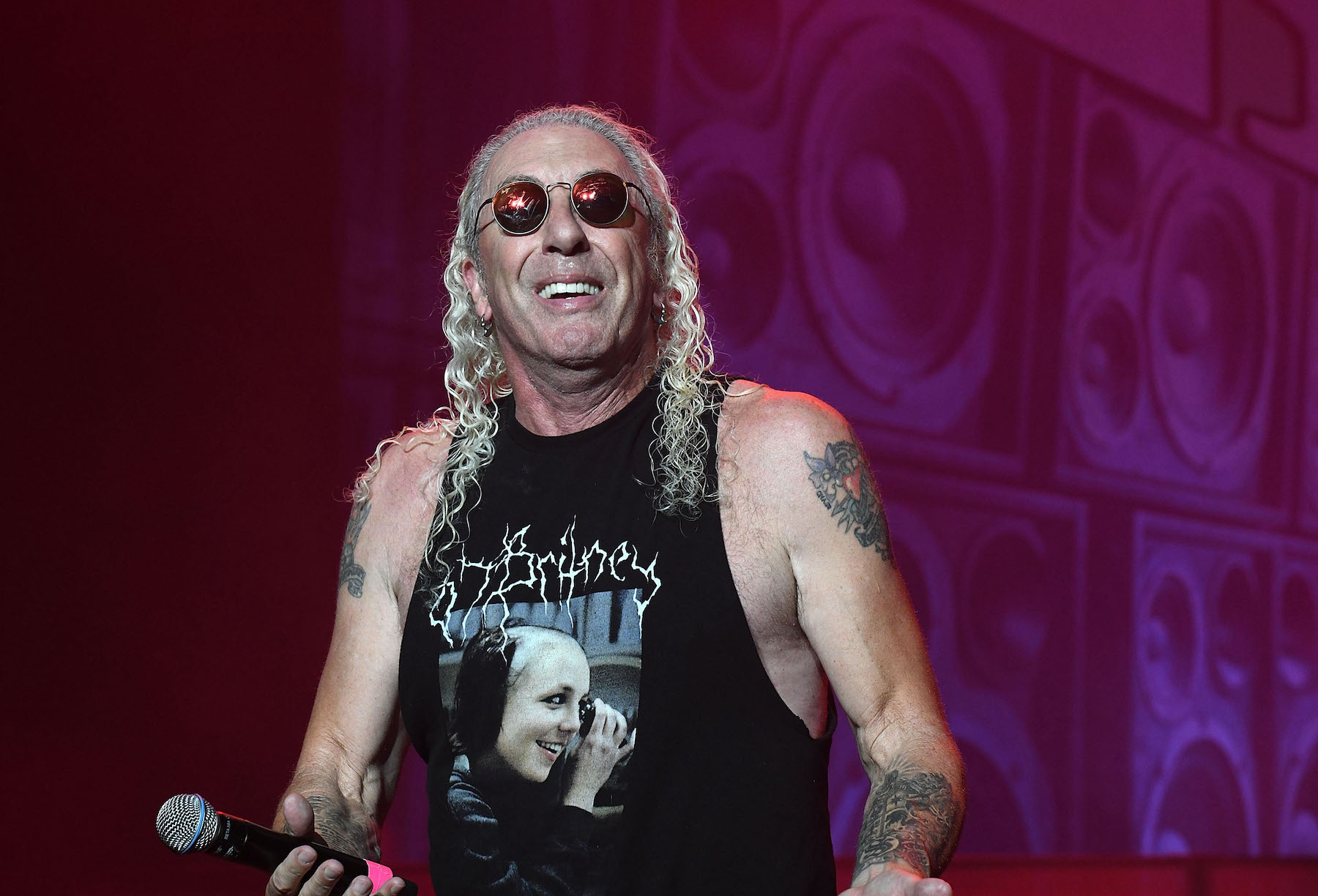
HangupsMusic.com – Legendary rock frontman Dee Snider has stepped forward to unequivocally dispel rampant speculation regarding his health, confirming he is "alive and well" despite the recent cancellation of Twisted Sister’s much-anticipated 50th-anniversary tour. The iconic vocalist, known for his formidable stage presence and piercing screams, clarified that while physical limitations prevent him from delivering the high-octane performances fans expect, he is not, as rumors suggested, in a terminal state.
The announcement came during an episode of Snider’s popular "House of Hair" radio program, just a week after news broke that the planned 2026 reunion shows for Twisted Sister had been called off. Fans had reacted with a mixture of disappointment and concern, fueling a whirlwind of conjecture about the 69-year-old’s well-being. Snider, ever the straight shooter, addressed the whispers head-on. "I’m not dying! No, not never; I mean, we’re all dying, but not immediately," he quipped, injecting his characteristic humor into a serious topic.
He elaborated on the "health reasons" cited for the tour’s cancellation, acknowledging issues related to his heart and the pervasive effects of arthritis. These conditions, while not life-threatening in the immediate sense, significantly impede his ability to engage in the physically demanding theatrics that defined his tenure as Twisted Sister’s lead singer. "My announcement about canceling the tour for health reasons, problems with my heart, arthritis, things like that… the rumors have run wild that I’m on my death bed, I am not," Snider asserted. He explained that the vigor and relentless energy he once effortlessly commanded on stage – throughout his twenties, thirties, forties, fifties, and even into his sixties – are no longer sustainable. "Otherwise I’m alive and well. I’m enjoying life."
The decision to withdraw from live performance with Twisted Sister was a poignant one for Snider, a performer who built his reputation on an electrifying, almost gladiatorial stage persona. His signature blend of headbanging, jumping, and snarling vocals, all delivered with an intensity that bordered on the manic, cemented his status as one of heavy metal’s most compelling frontmen. The very essence of a Twisted Sister show relied heavily on Snider’s unbridled physical expression and direct engagement with the audience. To compromise that, in his view, would be a disservice to the band’s legacy and the expectations of their devoted fanbase.
Snider made it clear that while his days of "kicking ass" on stage in the traditional sense might be behind him, his creative and professional life continues unabated. He affirmed his commitment to his "House of Hair" radio show, a long-running staple for rock enthusiasts, and signaled intentions to continue his work in writing and directing. These avenues, he noted, allow him to remain deeply immersed in the entertainment industry without the strenuous physical toll of touring. At nearly 70 years old, the demands of fronting a powerhouse metal act like Twisted Sister simply push his body beyond its current limits. "You won’t see me on the stage kicking ass like I used to, because that will mess me up," he candidly stated.
The outpouring of concern and affection from fans following the initial tour cancellation deeply resonated with Snider. He took a moment on his radio show to express profound gratitude for the "love and care and worry" that flooded in. "It was crazy the amount of people, the outpouring was beautiful, thank you very much for cheering me on. I’m okay, I just can’t do that anymore," he conveyed, acknowledging the bittersweet nature of the moment for both himself and his supporters.
The initial announcement earlier this month cited Snider’s "health challenges" as the reason for shelving the 50th-anniversary tour. Reports indicated that degenerative arthritis had progressed to a point where he could only realistically perform a handful of songs without significant discomfort. The notion of modifying his performance style, perhaps by remaining seated, was apparently broached, but Snider swiftly dismissed the idea. His reasoning delves into the very core of his artistic integrity and his desire to preserve the powerful image he painstakingly crafted over decades.
"The truth of the matter is, I don’t want you to see me up there being less than you expect me to be," Snider articulated, drawing a clear line in the sand. "You got memories of the great shows that I did, that’s what I want to leave you with." He then drew a vivid contrast, referencing legendary country artist Willie Nelson, who, at 90, continues to perform often seated. While expressing admiration for Nelson’s longevity, Snider emphasized that such a presentation wouldn’t align with the fierce, energetic persona synonymous with Dee Snider and Twisted Sister. "Not me standing up there like Willie Nelson – nothing wrong with Willie, 95 years old, in a wheelchair – you know what I’m saying. I went out rockin’, I’m still rockin’ here, I ain’t stopping."
This stance speaks volumes about the unique demands and expectations placed upon a heavy metal frontman, particularly one whose band achieved monumental success through anthems like "We’re Not Gonna Take It" and "I Wanna Rock." Twisted Sister’s appeal was never solely about the music; it was a complete sensory experience, a spectacle of rebellion and raw power, with Snider as its snarling, defiant centerpiece. To dilute that spectacle would, in his eyes, diminish the very essence of what made the band special. It’s a testament to his dedication to his craft and his audience that he chooses to step away from the live stage rather than present a version of himself that he deems less than stellar.
The challenges faced by aging rock musicians are a growing concern within the industry. The sheer physical exertion required for sustained touring and high-energy performances takes an inevitable toll, leading many iconic figures to scale back, adapt their shows, or retire altogether. Snider’s decision highlights this reality, demonstrating a pragmatic acceptance of physical limitations while steadfastly refusing to compromise artistic standards. His choice underscores a desire to protect the vivid memories fans hold of Twisted Sister’s glory days, ensuring that the enduring image is one of unbridled, explosive rock and roll.
Despite stepping away from the rigors of live performance, Snider remains optimistic about his personal longevity. He proudly cited his father, who is still "kicking" at 95, as an inspiration and a testament to his own potential for a long and vibrant life. "I got a lot of life to live. My dad is 95 and still kicking, so I’m expecting to be around for a long time," he concluded, reassuring fans that this is not an end, but merely a transition to a different chapter.
The now-canceled 50th-anniversary tour would have marked a significant return for Twisted Sister, their first major run of shows since their "40 and Fuck It" farewell tour in 2016. That previous tour was widely believed to be their definitive curtain call, making the prospect of a 50th-anniversary celebration particularly exciting for fans who thought they had seen the last of the legendary act. The lineup for the canceled dates was set to feature the core trio of Snider, founding guitarist and longest-serving member Jay Jay French, and longtime lead guitarist Eddie Ojeda, rekindling the formidable energy that made them a global phenomenon. While the live stage may no longer be an option, Dee Snider’s voice and creative spirit continue to resonate, albeit in new and different capacities, ensuring his legacy as a rock icon endures.