
 By admin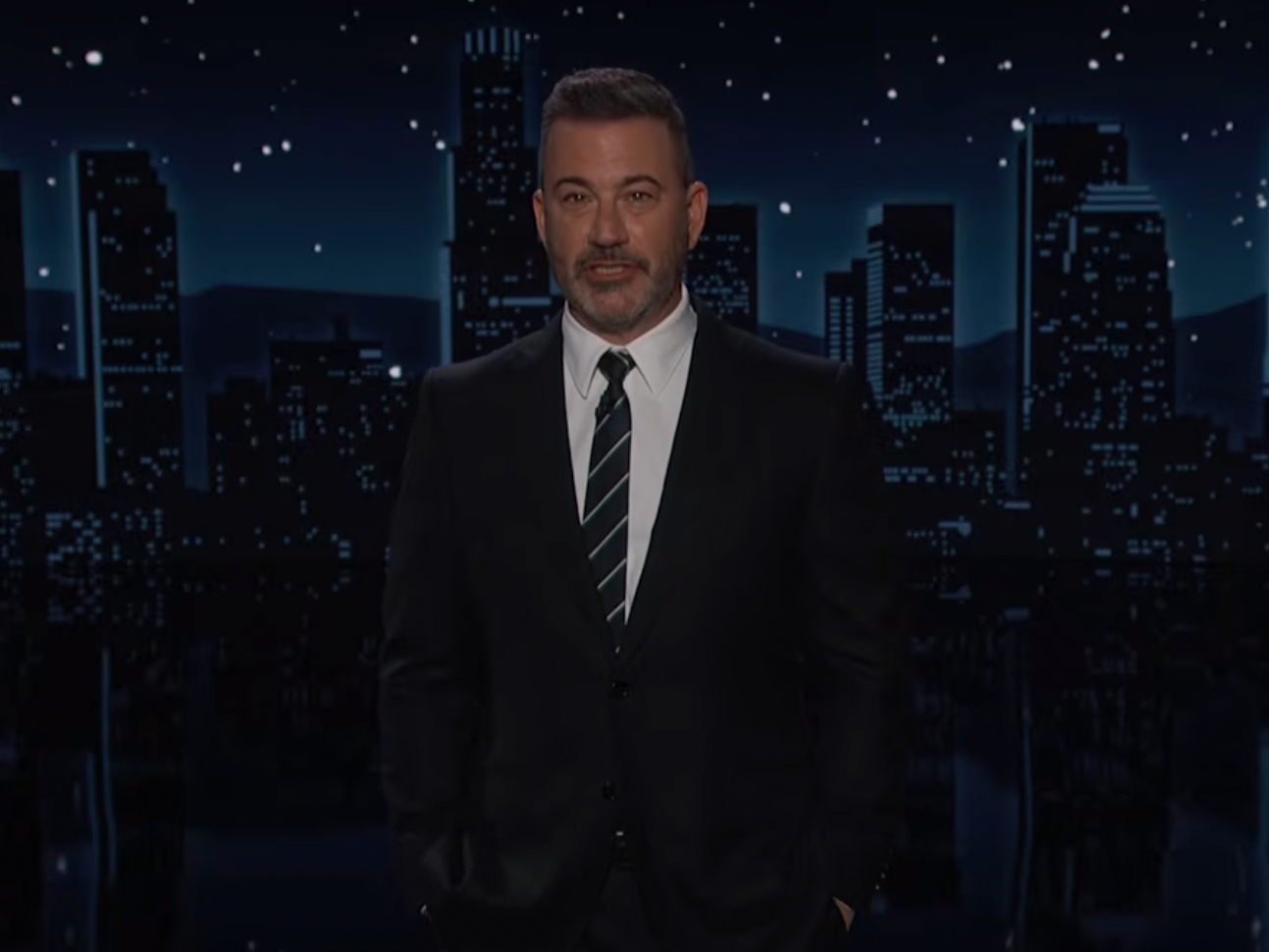
HangupsMusic.com – In the vibrant landscape where popular culture intersects with pressing political discourse, late-night television often serves as a crucial barometer, reflecting and shaping public sentiment. Following a recent address that captivated national attention, two of the genre’s most influential voices, Jimmy Kimmel and Stephen Colbert, turned their comedic yet incisive gaze toward a deeply serious revelation: the reported withholding of sensitive documents concerning the infamous Jeffrey Epstein case, allegedly involving former President Donald Trump. Their pointed monologues underscored a growing public demand for transparency and accountability, resonating far beyond the typical late-night audience and echoing across the broader cultural consciousness that often inspires artistic expression.
Jimmy Kimmel, host of Jimmy Kimmel Live!, known for his blend of irreverent humor and sharp political commentary, wasted no time addressing the bombshell development. Fresh from dissecting the political theater of a major national address, Kimmel pivoted to a story that, while lacking the immediate spectacle, carried profound implications for justice and public trust. The focus of his segment was the Justice Department’s reported decision to withhold 53 pages of FBI material. These documents, according to reports, contain interviews and detailed notes from conversations with a woman who accused Trump of sexual abuse decades ago, when she was reportedly a minor.
Kimmel opened with characteristic wit, feigning surprise at the source of the report. "I know, I’m as shocked as you," he quipped, referencing National Public Radio (NPR). "I thought he got rid of NPR." This seemingly lighthearted jab, however, carried a subtle undercurrent of political satire, alluding to past attempts by conservative politicians to defund the public broadcaster. It set the stage for a segment that, while comedic in delivery, was serious in its critique.
The core of Kimmel’s concern revolved around the unexplained unavailability of these crucial details. He highlighted the gravity of the allegations, noting that the woman claimed to be 13 years old when she encountered Trump, and that the FBI had interviewed her a significant four times in 2019. The mystery surrounding the undisclosed specifics of these interviews became the central point of his monologue. "The details of those interviews are, for reasons that still haven’t been explained, unavailable," Kimmel emphasized, his tone shifting from comedic to genuinely bewildered.
Kimmel further illuminated the situation by explaining that Democratic members of the House Oversight Committee had indeed reviewed the documents, thereby confirming their existence and content. This confirmation, however, only intensified his questions regarding their public concealment. "Why are they being allowed to hide this stuff?" he pressed, channeling a palpable public frustration. His subsequent declaration, "They’re supposed to release the files. What a bunch of hypocrites these people are," was a direct challenge to the perceived double standards in political and legal scrutiny.
The most potent arrow in Kimmel’s quiver, and one that quickly circulated across social media platforms, was his direct comparison to the intense public and political focus on Hunter Biden’s controversial laptop. "If these interviews were on Hunter Biden’s laptop we’d know every word of them," he declared, hitting a nerve that resonates deeply within contemporary American political discourse. This analogy succinctly encapsulated a widespread sentiment among critics: that scrutiny and demands for transparency appear to be selectively applied depending on the political affiliation of the individual in question. The "Hunter Biden’s laptop" narrative has been a persistent talking point for conservative media and politicians, often used to highlight alleged corruption and lack of media coverage, making Kimmel’s inversion of the argument particularly striking and effective.
Kimmel concluded his segment by directly challenging the former president to embrace transparency. He argued that if Trump truly believed he had "done nothing wrong," the most logical course of action would be to demand the full, unredacted release of all files related to his interactions with Jeffrey Epstein. "Seems to me the best thing for President Trump, who I’m sure did nothing wrong, is to order them to un-redact his name and release all of the Trump-Epstein files so he can prove how unbelievably innocent he is," Kimmel stated, his sarcasm thinly veiled, yet his underlying message clear: the public deserves to know the full truth. The call for public disclosure, particularly in cases involving such serious allegations and high-profile figures, aligns with a broader societal yearning for accountability that often finds its way into artistic commentary and protest songs.
Meanwhile, on the set of The Late Show, Stephen Colbert echoed Kimmel’s sentiments with his own distinct brand of intellectual wit and incredulity. Colbert, known for his ability to dissect complex political issues with a sharp, satirical edge, also found the missing files to be a story of paramount importance. "That the files are missing should be the biggest story in the world," he asserted, framing the withholding of information not merely as a detail, but as a central scandal.
Colbert’s commentary delved into the institutional implications, suggesting a pattern of protection for powerful figures. "It’s totally on brand for the DOJ, especially this DOJ, to be protecting Trump," he remarked. This statement, while delivered with Colbert’s signature wry humor, pointed to a deeper concern about the politicization of justice and the erosion of trust in governmental institutions. His remarks resonated with a segment of the public that views the Justice Department’s actions through a lens of skepticism, particularly when they involve politically sensitive individuals. The idea that justice might be compromised for political reasons is a theme that has historically fueled counter-cultural movements and artistic expressions of dissent.
The broader context of the Jeffrey Epstein saga itself adds significant weight to the late-night hosts’ commentary. The convicted sex offender’s network of powerful associates, his mysterious death in prison, and the subsequent legal battles to unseal documents have captivated global attention. The demand for transparency regarding who knew what, and who participated in or facilitated Epstein’s horrific crimes, has been immense. Any suggestion that information related to such a high-profile case, especially involving a former president, is being deliberately suppressed or withheld ignites public outrage and fuels theories of systemic corruption.
In this cultural milieu, late-night hosts like Kimmel and Colbert transcend their roles as mere entertainers. They become critical cultural commentators, their monologues serving as a form of public discourse, debate, and even advocacy. Their platforms, reaching millions nightly and generating countless viral clips, are instrumental in shaping narratives and holding power to account. For a music news publication, understanding this dynamic is crucial, as the cultural zeitgeist these hosts reflect and influence often serves as fertile ground for artists. Musicians frequently draw inspiration from current events, political controversies, and societal injustices, turning them into powerful lyrical themes or performance art. The collective frustration and demand for truth articulated by Kimmel and Colbert are precisely the kinds of sentiments that resonate with artists seeking to comment on the world around them.
The comparison to Hunter Biden’s laptop is particularly telling in its reflection of contemporary media and political battlegrounds. The intense focus on Biden’s personal life and alleged foreign dealings by conservative outlets created a perception of a two-tiered justice and media system. By turning this narrative back on the allegations against Trump, Kimmel skillfully highlighted what many perceive as a glaring inconsistency in the application of scrutiny. This rhetorical maneuver is not just comedic; it’s a direct challenge to the perceived selective outrage and media bias that dominates much of the political landscape.
Ultimately, the segments from Jimmy Kimmel and Stephen Colbert serve as more than just evening entertainment. They are a powerful demonstration of the role of satire and commentary in demanding accountability from powerful institutions and individuals. In an era where trust in traditional media and government is often fractured, these cultural figures act as a voice for public concern, pushing for answers where official channels may seem opaque. Their calls for the full release of the Epstein files, particularly those pertaining to former President Trump, underscore a fundamental democratic principle: the public’s right to know, especially when serious allegations against those in power are involved. This persistent demand for truth and justice, articulated through the lens of late-night humor, continues to be a driving force in the cultural dialogue, echoing across all forms of media, including the powerful narratives woven into contemporary music.