
 By admin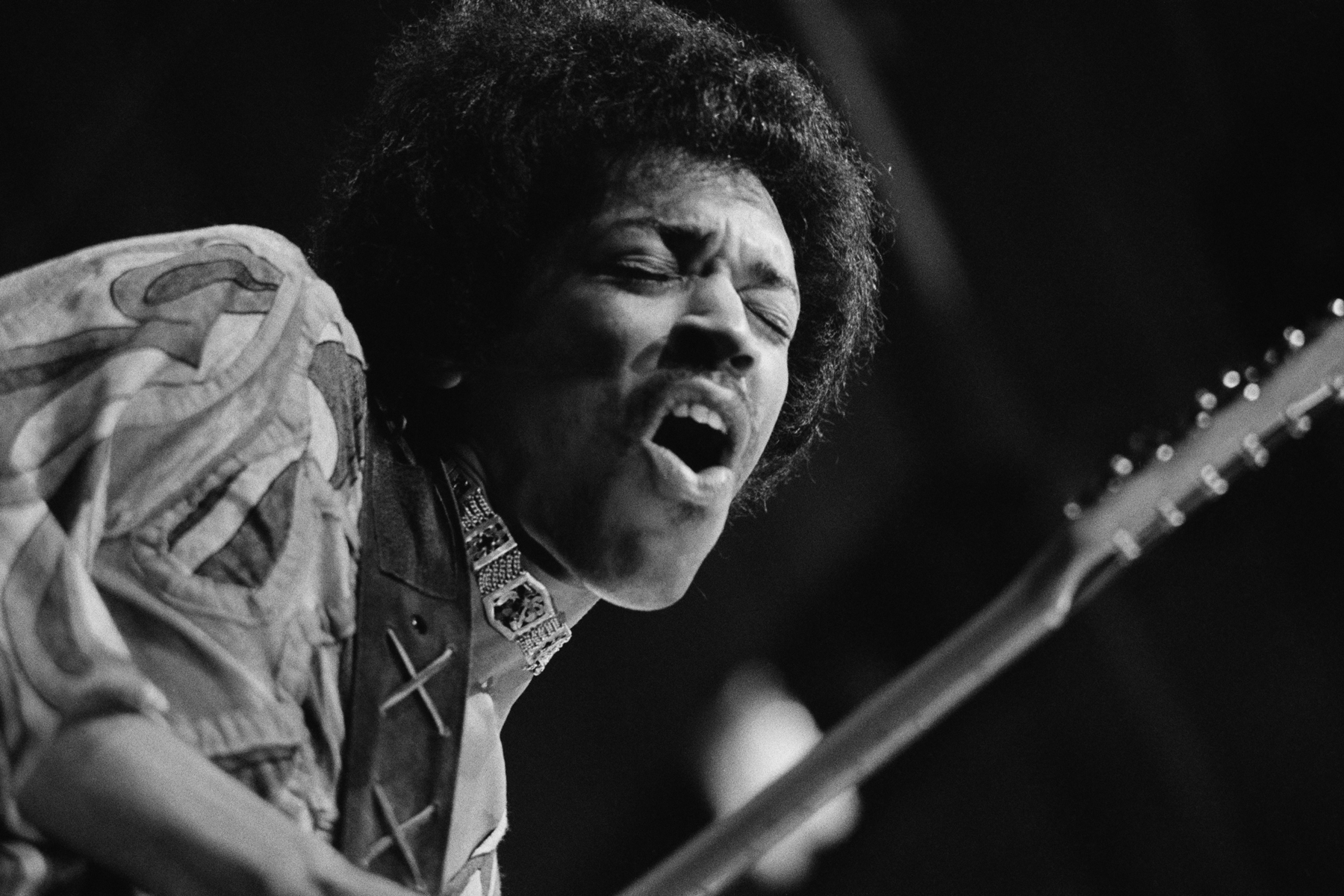
HangupsMusic.com – New York, NY – The vibrant heart of Greenwich Village is preparing for a landmark transformation this month as West Eighth Street, a thoroughfare steeped in artistic history, will officially receive the honorary co-designation of "Jimi Hendrix Way." This symbolic renaming, set to unfold with a public ceremony on February 24th at the intersection of Eighth Street and Sixth Avenue, marks a profound tribute to one of music’s most revolutionary figures. The particular stretch of road being honored is famously home to Electric Lady Studios, the state-of-the-art recording facility Hendrix himself envisioned and opened in 1970, forever linking his creative spirit to the city’s musical landscape.
This initiative is far more than a simple street sign; it’s a testament to Jimi Hendrix’s enduring legacy and his indelible mark on popular culture. The ceremony, slated for 11 a.m., promises to be a poignant gathering, featuring speeches from prominent figures dedicated to preserving and propagating Hendrix’s impact. Among the key speakers will be Janie Hendrix, the visionary President and CEO of Experience Hendrix LLC, who has tirelessly championed her brother’s memory. She will be joined by musician and activist Stevie Van Zandt, representing his TeachRock nonprofit educational foundation, and esteemed writer Jeff Slate, all of whom have been instrumental in bringing this co-naming to fruition. New York City District 2 Council Member Harvey Epstein will also address attendees, underscoring the city’s recognition of Hendrix’s cultural significance.
The choice of West Eighth Street is no arbitrary decision. Greenwich Village itself holds a storied place in the annals of American music, having nurtured countless artists, poets, and cultural movements from the folk revival to the punk scene. In the late 1960s, as Jimi Hendrix’s star ascended globally, he sought a permanent creative sanctuary in the city that had embraced his electrifying talent. After acquiring the site of the former Generation Club at 52 West Eighth Street in 1968 with his manager Michael Jeffrey, Hendrix initially envisioned a live performance venue. However, at the urging of his renowned recording engineer Eddie Kramer and studio manager Jim Marron, the concept evolved into a purpose-built recording studio designed to be a sonic playground where artists could freely explore their creativity without commercial constraints.
Electric Lady Studios, an architectural marvel for its time, was meticulously crafted to Hendrix’s specifications, boasting innovative acoustics and a psychedelic aesthetic. It was a space where he could fully realize his intricate sonic visions, a haven from the pressures of external recording environments. The grand opening, a star-studded affair on August 26, 1970, attracted a who’s who of the era’s music elite, including Steve Winwood, Eric Clapton, Ron Wood, and Patti Smith, as chronicled by the studio’s own historical accounts. Tragically, Hendrix would only have a fleeting opportunity to record within its hallowed walls, passing away just weeks later on September 18, 1970. His untimely death left a profound void, yet the studio he created would go on to become a legendary crucible for some of the most iconic recordings in music history.
Despite Hendrix’s minimal personal recording time there, Electric Lady Studios quickly blossomed into a beacon for artistic innovation. Its unique atmosphere and unparalleled technical capabilities attracted a continuous stream of musical giants across generations. From the raw energy of The Rolling Stones and the intricate arrangements of Led Zeppelin to the soulful genius of Stevie Wonder and the chameleon-like artistry of David Bowie, the studio has witnessed the birth of countless masterpieces. Patti Smith, a guest at its opening, would later record there, as would contemporary icons like Lady Gaga and Taylor Swift, cementing Electric Lady’s status as a timeless nexus of musical creation. The studio’s enduring allure lies not only in its state-of-the-art facilities but also in the palpable spirit of experimentation and boundary-pushing that Hendrix himself instilled.
The co-naming initiative is intrinsically linked to broader educational efforts aimed at illuminating Hendrix’s profound influence. In conjunction with the street dedication, Stevie Van Zandt’s TeachRock nonprofit is unveiling a comprehensive new lesson titled "Jimi Hendrix: Rock’s Trailblazing Innovator and Influential Guitarist." This educational module delves into the formative blues and R&B roots that shaped Hendrix’s distinctive sound, tracing his journey from an innovative sideman to a global phenomenon who redefined the electric guitar. The lesson incorporates exclusive archival footage provided by Experience Hendrix and features insightful interviews with experts, offering students an immersive and authentic exploration of his artistic evolution and technical prowess. TeachRock, a program that provides free, standards-aligned arts integration curricula to educators nationwide, aims to make learning about music history engaging and accessible, inspiring the next generation of artists and critical thinkers.
Janie Hendrix, reflecting on the synergy between the street co-naming and the educational program, emphasized the core mission guiding her work. "This collaboration speaks to the heart of our mission – carrying on Jimi’s legacy through education," she stated, underscoring the belief that music serves as a potent conduit for learning. "His music is a powerful gateway for young minds to connect with history, creativity, and their own potential." This perspective highlights the multi-faceted nature of Hendrix’s genius, extending beyond mere entertainment to become a tool for intellectual and creative development.
Stevie Van Zandt echoed this sentiment, eloquently articulating Hendrix’s revolutionary impact. "Jimi Hendrix didn’t just play guitar – he reimagined what art could be," Van Zandt observed, capturing the essence of Hendrix’s transformative approach to music. He expressed his aspiration for the TeachRock program to replicate the profound sense of discovery he experienced encountering Hendrix’s performances. "I want TeachRock to transport students into that same sense of possibility and discovery I felt the first time I saw Jimi perform. His story, lyrics, and sound remind young people that creativity has no limits." This underlines the educational imperative to not just teach facts, but to ignite inspiration and foster an understanding of artistic boundless potential, a quality Hendrix personified.
The designation of "Jimi Hendrix Way" serves as a permanent, tangible marker of his enduring presence in the cultural fabric of New York City and beyond. It is a tribute that transcends generations, reminding passersby of the revolutionary artist who once walked these very streets, envisioning a space where music could truly be free. The street sign will not merely identify a location; it will symbolize a gateway to an unparalleled legacy, a constant invitation to explore the depths of his artistry, and a celebration of his unyielding spirit of innovation. For fans, musicians, and students alike, West Eighth Street will now serve as a physical pilgrimage point, an affirmation that the echoes of Jimi Hendrix’s genius continue to reverberate, inspiring new possibilities and reminding us that true creativity knows no bounds. The ceremony on February 24th will not just be a street dedication, but a profound acknowledgment of a legend whose influence remains as electric and vital as ever.