
 By admin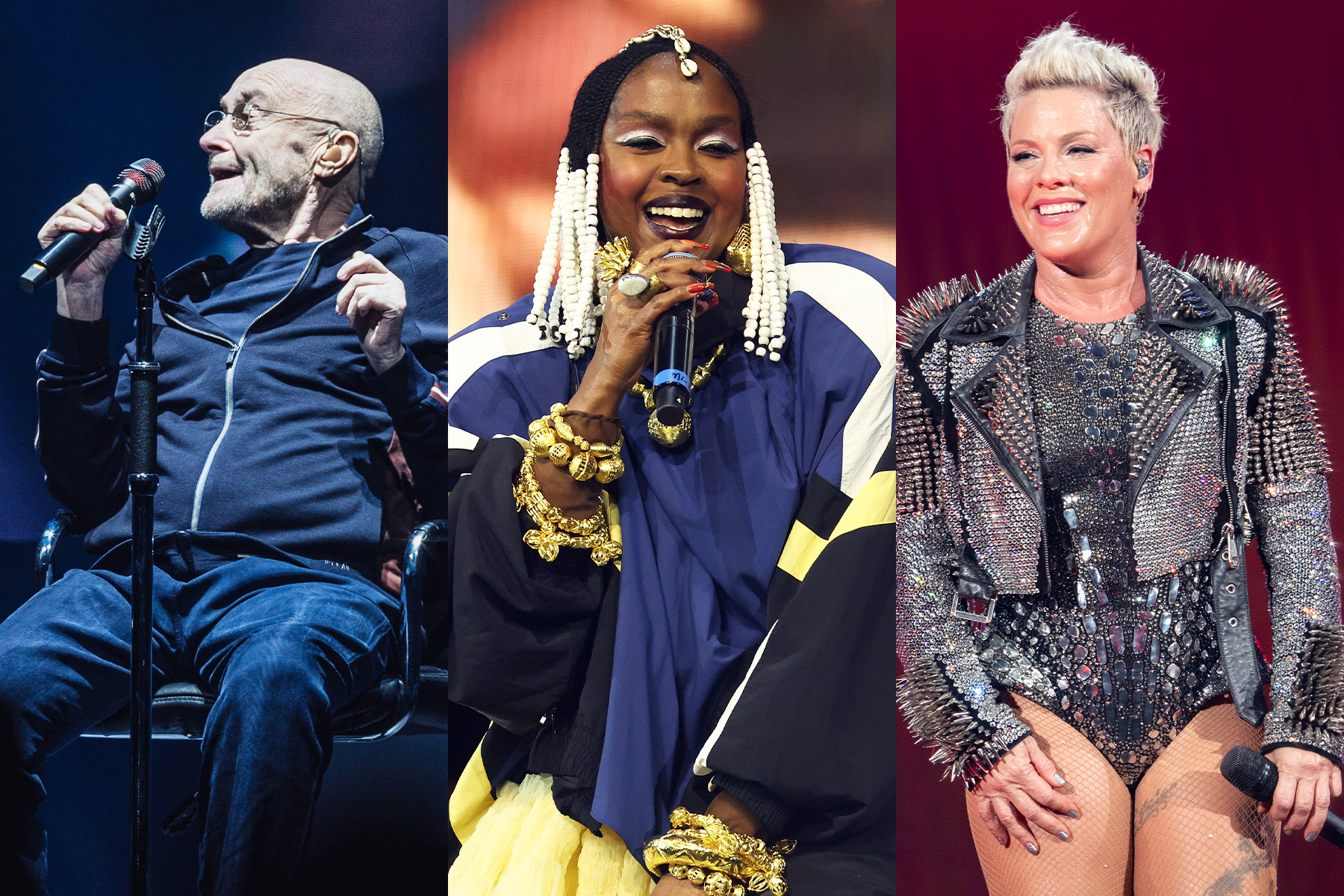
HangupsMusic.com – The esteemed Rock and Roll Hall of Fame has officially unveiled its list of nominees for the Class of 2026, presenting a remarkably diverse and expansive roster that continues to challenge traditional notions of "rock and roll." This year’s ballot features seventeen groundbreaking artists and groups, ranging from enduring pop titans and hip-hop pioneers to heavy metal legends and alternative rock stalwarts, reflecting the institution’s ongoing commitment to recognizing the broad tapestry of popular music that has shaped global culture. The announcement sets the stage for months of anticipation, culminating in the revelation of the final inductees in April and a celebratory ceremony slated for the fall.
Among the prominent names vying for induction are pop juggernauts Mariah Carey and Pink, the influential hip-hop collective Wu-Tang Clan, and soul and R&B legends Lauryn Hill, Sade, and Luther Vandross. They are joined by rock icons Oasis, The Black Crowes, and Billy Idol, along with the progressive rock virtuoso Phil Collins, the ethereal singer-songwriter Jeff Buckley, the enduring Australian band INXS, and the acclaimed Melissa Etheridge. Rounding out this eclectic group are the heavy metal titans Iron Maiden, the post-punk innovators Joy Division/New Order, the global pop sensation Shakira, and the enduring R&B group New Edition. This expansive list, as noted by John Sykes, Chairman of the Rock & Roll Hall of Fame Foundation, underscores the "ever-evolving faces and sounds of Rock & Roll and its continued impact on youth culture," a sentiment that echoes the Hall’s mission to chronicle the history of popular music in its myriad forms.
To be considered for the 2026 ballot, an artist or band’s first commercial recording – either a single or an album – must have been released in 2001 or earlier, adhering to the Hall’s standing 25-year eligibility rule. A significant portion of this year’s nominees are first-timers on the ballot, despite many having been eligible for several years. Ten acts are receiving their inaugural nomination: Jeff Buckley, Phil Collins, Melissa Etheridge, Lauryn Hill, INXS, New Edition, Pink, Shakira, Luther Vandross, and the Wu-Tang Clan. Their inclusion marks a fresh wave of recognition for artists whose impact has been undeniable across various genres.
For others, this nomination represents a renewed opportunity for entry into music’s most hallowed halls. Mariah Carey, Iron Maiden, and Joy Division/New Order each receive their third nomination, indicating a persistent consideration by the voting body. The Black Crowes, Oasis, Sade, and Billy Idol are on the ballot for the second time, reflecting their consistent relevance and the strong advocacy for their inclusion. Each repeat nomination adds a layer of narrative to the induction process, highlighting the ongoing debate and diverse perspectives within the music community regarding who truly belongs.
The Hall’s expansive definition of "rock and roll" has often been a point of contention, particularly among fans and artists rooted in traditional rock and metal genres. This year’s ballot, with its heavy emphasis on pop, R&B, and hip-hop, is no exception. While many celebrate the Hall’s inclusive approach, others argue that it dilutes the core essence of "rock and roll" itself. This debate often intensifies when artists from rock’s harder edges are overlooked or repeatedly nominated without induction, a frustration notably vocalized by some of the very musicians on the ballot.
Heavy metal stalwarts Iron Maiden, for instance, have long maintained a dismissive stance toward the institution. Frontman Bruce Dickinson famously articulated his feelings in 2018, labeling the Rock & Roll Hall of Fame an "utter and complete load of bollocks" and criticizing its organizers as "sanctimonious bloody Americans who wouldn’t know rock & roll if it hit them in the face." His outspoken comments reflect a sentiment shared by a segment of the rock community who view the Hall as out of touch with the genre’s true spirit, advocating for an unadulterated, beer-fueled authenticity over perceived corporate sanctimony. Given their repeated nominations and their uncompromising stance, it remains a question whether Iron Maiden would even attend or accept an induction, should they finally make the cut. Their potential absence would echo similar past boycotts by other disenchanted artists, adding another layer to the Hall’s complex relationship with its potential honorees.
Similarly, Liam Gallagher, the notoriously outspoken frontman of Oasis, has historically expressed a colorful disdain for the Hall. In 2024, he famously quipped to The Sunday Times, "As much as I love Mariah Carey and all that, I want to say: do me a favor and fuck off," expressing his aversion to being associated with an institution he views as "mentally disturbed." Gallagher’s belief that he has "done more for rock n’ roll than half of them clowns on that board" underscores a widespread frustration among artists who feel their contributions are self-evident and do not require external validation from an appointed body.
However, the narrative surrounding artist skepticism often takes an intriguing turn once an induction becomes a reality. Gallagher himself provided a humorous example of this potential shift. When questioned by a fan on X about his reaction if Oasis were to be inducted, he playfully responded, "Obv go and say it’s the best thing EVER." This lighthearted reversal highlights a recurring phenomenon where initial defiance gives way to celebratory acceptance. It’s a pattern observed with numerous past inductees, including pop icon Cher, progressive rock legends Rush, and hard rock titans Def Leppard, all of whom, after initially questioning or dismissing the Hall, ultimately embraced their induction with enthusiasm, transforming their public perception of the honor. This dynamic adds an element of human drama and unpredictability to each year’s ceremony, as fans wonder whether a long-held grudge might finally dissipate under the spotlight of recognition.
Beyond the accolades and public debates, the induction ceremony often presents unique opportunities for reconciliation and historical moments. Should Phil Collins be inducted, it would offer a rare chance for the beloved musician, who has largely stepped away from live performances due to health issues, to make a poignant public appearance. His presence would not only celebrate his monumental solo career and his foundational work with Genesis but also serve as a testament to his enduring legacy.
For bands with fractured histories, the Hall can act as an unlikely catalyst for temporary reunions or the acknowledgment of estranged members. The Black Crowes, whose tumultuous internal dynamics have been well-documented, could potentially share the stage with their former, long-estranged drummer Steve Gorman. Such a moment would offer fans a glimpse into the band’s complete historical lineup, if only for one night.
Perhaps the most emotionally charged potential reunion lies with Joy Division/New Order. The complex relationship between the remaining members of New Order and former bassist Peter Hook has been a source of significant public and legal friction since Hook’s departure in 2007. An induction could mark the first time they appear together in over a decade and a half. Hook himself addressed this possibility in a 2023 interview with Billboard, acknowledging that it would be a "difficult awards ceremony" but expressing a willingness to "rise above these things… and be nice and be courteous." He even mused that the induction might serve as "the olive branch that we may need to end the injustices that were done with New Order in the end," highlighting the potential for the Hall to facilitate healing within musical dynasties. Such a gathering would not only be a historic musical event but also a powerful human story, demonstrating the enduring bonds and conflicts that shape artistic careers.
As the music world awaits the final inductee announcement in April, the Rock and Roll Hall of Fame’s Class of 2026 ballot stands as a vibrant testament to music’s boundless influence. It sparks crucial conversations about genre definitions, artistic legacy, and the complex relationship between creators and the institutions that seek to honor them. Regardless of who ultimately makes it in, the diverse list of nominees guarantees another year of spirited discussion and a continued celebration of the sounds that move us.