
 By admin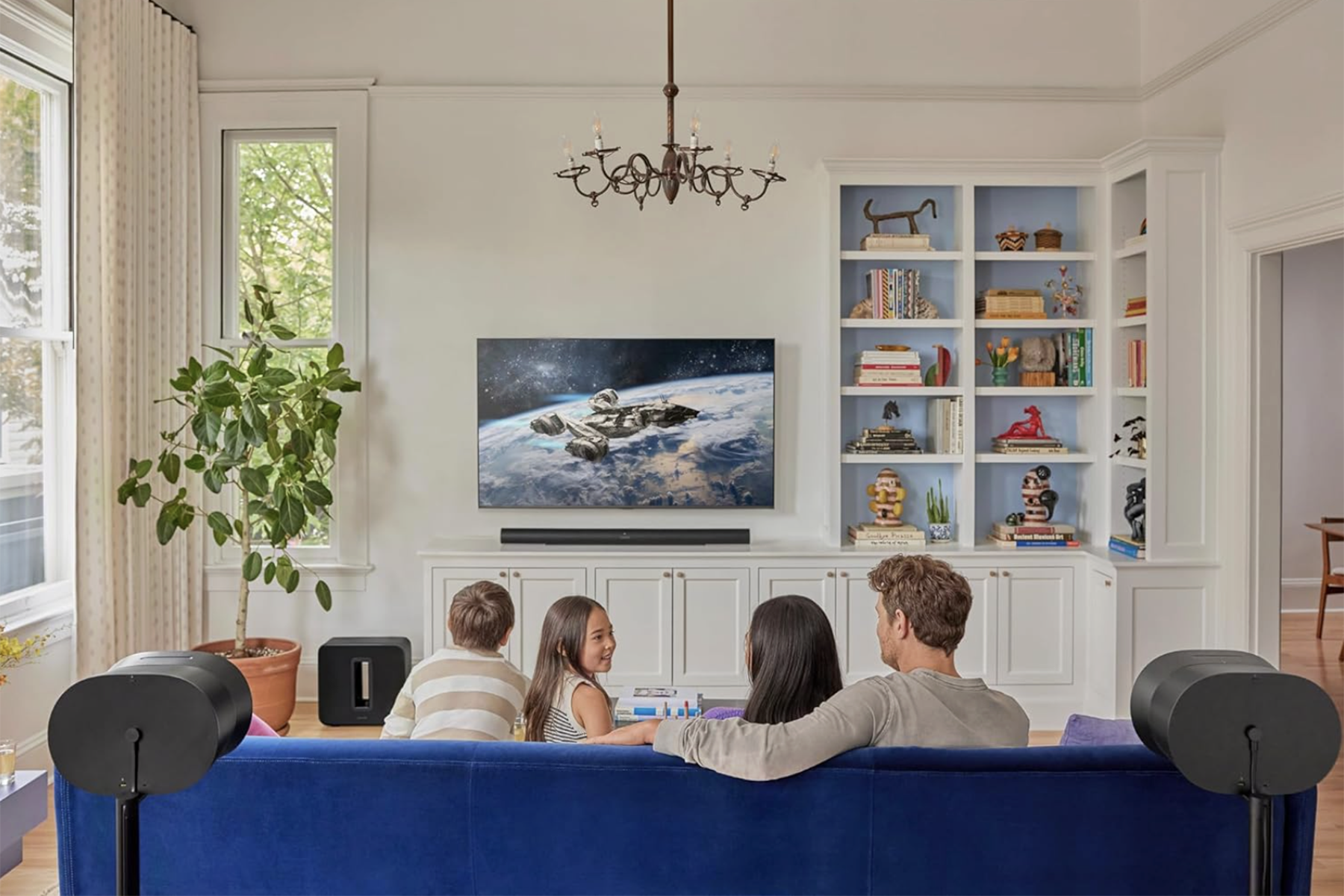
HangupsMusic.com – The quest for the ultimate home entertainment experience has never been more accessible or exciting. In an era where high-quality content, from blockbuster films and binge-worthy series to live concerts and cutting-edge video games, is readily available at our fingertips, the audio component has become paramount. Gone are the days when a true home theater demanded extensive technical know-how and a maze of wires. Today, a new generation of audio solutions empowers enthusiasts and casual viewers alike to transform their living spaces into captivating sonic environments, delivering rich, detailed sound that complements stunning visuals.
The modern audio landscape offers an unprecedented array of options, making it the perfect time to upgrade your home’s sound system. Advancements in digital signal processing, wireless connectivity, and speaker design have democratized high-fidelity sound, moving it beyond the exclusive realm of audiophiles. Whether you’re a seasoned connoisseur seeking precise sonic reproduction or simply looking to enhance your TV’s lackluster built-in speakers, the market is brimming with innovative solutions tailored to diverse needs and budgets. This guide delves into the essential considerations and top recommendations to help you navigate this exciting evolution and craft an immersive listening experience.
The Evolving Home Theater Landscape: From Stereo to Spatial Audio

For decades, the standard home audio setup revolved around a stereo pair of speakers, perhaps augmented by a subwoofer for deeper bass. While classic, this approach often fell short of replicating the dynamic, enveloping soundscapes found in cinemas. The advent of surround sound technologies, initially 5.1 and later more advanced formats like Dolby Atmos and DTS:X, revolutionized home audio by introducing height and positional audio cues. What was once a niche offering, primarily found on physical media like SACDs, DVD-Audio discs, and early Blu-rays, has now become mainstream. Streaming services are increasingly delivering content in immersive formats, and artists are remixing their catalogs for spatial audio, making cinematic sound an everyday reality. This shift means that the "best" home theater setup is no longer just about volume or clarity, but about creating a truly three-dimensional sound field that places you right in the heart of the action.
Crucial Considerations for Your Setup: Space, Immersion, and Simplicity
Before diving into the myriad of speaker options, a few fundamental questions will guide your decision-making process, ensuring you select a system that genuinely enhances your environment rather than overwhelming it.
1. Space and Acoustics: Maximizing Your Environment
The physical dimensions and acoustic properties of your room play a critical role in how any speaker system will perform. A colossal set of floor-standing speakers, while capable of immense sound, will struggle to perform optimally in a cramped apartment, potentially leading to muddy bass or exaggerated reflections. Conversely, smaller bookshelf speakers might lack the desired impact in a large, open-plan living area. Consider the following:

- Room Size: Larger rooms generally benefit from speakers with larger drivers and more power to fill the space without strain. Smaller rooms often thrive with more compact solutions.
- Speaker Placement: Proper spacing between speakers and their distance from walls significantly impacts stereo imaging and surround sound effectiveness. Reflective surfaces (bare walls, glass) can cause echoes, while soft furnishings (carpets, curtains) can absorb sound, affecting clarity.
- Aesthetics: Your home theater should blend seamlessly with your decor. Modern designs often prioritize sleek profiles and discreet components, making integration easier.
2. The Immersion Factor – Decoding Surround Sound
Do you crave the sensation of rain falling from above, or a spaceship whizzing past your head? The desire for true surround sound dictates the complexity and capability of your system.
- Stereo (2.0/2.1): A basic left and right channel, sometimes with a subwoofer, provides a wider soundstage than TV speakers but no positional audio. Excellent for music and general TV viewing.
- 5.1 Surround Sound: Adds a center channel (for dialogue), two rear channels, and a subwoofer. This creates a more enveloping experience, placing sounds around you.
- Dolby Atmos/DTS:X (Spatial Audio): These advanced formats introduce height channels, often via upward-firing drivers that bounce sound off the ceiling, creating a truly three-dimensional sound bubble. This is where the magic of "sound from above" happens, perfect for cinematic realism and immersive gaming.
Navigating Your Audio Options: A Deep Dive into System Architectures
With your spatial and immersive preferences in mind, it’s time to explore the three primary types of home theater audio systems available today, each offering distinct advantages:
1. Soundbars: The Modern Marvel of Simplicity
Soundbars have become the go-to solution for many seeking a significant upgrade over TV speakers without the complexity of a multi-speaker setup.

- Design & Integration: Their sleek, compact form factor makes them easy to place beneath a TV, reducing clutter and blending into modern decor.
- Performance Evolution: Modern soundbars have come a long way. Many include integrated subwoofers (or come bundled with wireless ones) and even upward-firing drivers for virtual or discrete Dolby Atmos effects. Some systems further enhance immersion by offering optional wireless rear speakers.
- Connectivity & Features: HDMI ARC/eARC ports simplify connection to your TV, while Bluetooth, Wi-Fi, and built-in streaming services (like AirPlay, Google Cast, Spotify Connect) expand their utility as versatile audio hubs.
- Ideal for: Space-conscious users, those prioritizing ease of setup, and anyone looking for a substantial audio upgrade without extensive cabling.
2. Powered (Active) Speakers: Performance Meets Convenience
Powered speakers, also known as active speakers, feature built-in amplifiers, eliminating the need for a separate receiver for stereo playback.
- Simplified Setup: They connect directly to your TV via HDMI ARC or RCA inputs, streamlining the signal path. Many also offer additional inputs for turntables, CD players, or even Bluetooth connectivity.
- Optimized Performance: The integrated amplifier is custom-tuned to the speakers’ drivers, often resulting in excellent sound quality for a given price point.
- Scalability: While primarily stereo, some powered speakers offer subwoofer outputs, allowing for a 2.1 system upgrade.
- Ideal for: Users seeking high-quality stereo sound with minimal components, those with limited space, and individuals who appreciate the synergy of matched amplification and drivers.
3. Passive Speakers with an AV Receiver: The Purist’s Path to Customization
This traditional approach remains the gold standard for audiophiles and enthusiasts who demand ultimate flexibility, upgradeability, and sonic precision.
- Modularity & Customization: Passive speakers require an external AV (Audio/Video) receiver to amplify the sound and process audio signals. This allows you to mix and match speakers from different brands, upgrade individual components over time, and fine-tune your sound to an extraordinary degree.
- Future-Proofing: AV receivers typically offer extensive connectivity (multiple HDMI inputs, digital audio, analog inputs) and support the latest audio and video formats, making them highly adaptable to future technologies.
- Uncompromised Performance: This setup allows for dedicated amplification for each channel, often resulting in superior power delivery, dynamic range, and clarity.
- Ideal for: Dedicated home theater builders, audiophiles, those who value long-term investment and the ability to endlessly tweak and upgrade their system, and individuals with larger rooms that can accommodate multiple speakers.
Methodology Behind Our Recommendations
Our audio editors rigorously tested a diverse range of home theater speaker systems, subjecting each to a comprehensive evaluation process designed to assess real-world performance. We listened to a wide variety of music genres, from intricate classical pieces to bass-heavy electronic tracks, scrutinizing clarity, dynamic range, and tonal balance. Movies and TV shows were evaluated across different genres, paying close attention to dialogue intelligibility, the impact of action sequences, and the subtlety of ambient soundscapes. For systems supporting Dolby Atmos or other spatial audio formats, we specifically tested their ability to render three-dimensional sound fields, observing sound object placement and verticality.

Beyond pure audio performance, we considered practical factors vital for the average consumer. Ease of setup, intuitive controls, and overall user experience were critical. Space requirements, from the footprint of individual speakers to the necessary clearances for optimal sound dispersion, were also factored in. Finally, price-to-performance ratio was a key metric. While high-end systems can offer unparalleled experiences, our aim was to identify speakers that deliver exceptional value and a rich listening experience for a broad audience, acknowledging that true enthusiasts might choose to invest more for incremental gains.
The Best Home Theater Speakers: Our Top Picks for Immersive Audio
After extensive evaluation, here are our top recommendations for transforming your home entertainment setup:
Editor’s Pick: Sony BRAVIA Theater System 6
The Sony BRAVIA Theater System 6 stands out as an exemplary all-in-one surround sound solution that strikes an impressive balance between performance, convenience, and value. This comprehensive system comprises a sleek soundbar, a dedicated subwoofer, a wireless receiver, and a pair of discreet rear speakers. What truly sets it apart for many modern living situations is its minimal wiring requirement: only the subwoofer and wireless receiver need to be plugged into an outlet, significantly reducing cable clutter, a blessing for apartment dwellers or those with minimalist aesthetics. During testing, its surround sound capabilities were nothing short of terrific, delivering ample power to the rear channels that brought both music and movies to life with palpable immersion. The slim profile of each component further enhances its appeal, allowing for a robust audio experience without demanding excessive space. This system embodies the ideal blend of advanced features and user-friendly design.

Runner Up: JBL Bar 500MK2
The JBL Bar 500MK2 earned its spot on this list primarily due to its outstanding bass performance, a crucial element for impactful home theater audio. This two-piece soundbar system, featuring a powerful subwoofer, masterfully handled even the most demanding audio moments, such as cinematic explosions and intense video game sound effects, without a hint of distortion. Its intelligent calibration system further optimizes the sound for your specific room, ensuring a consistently excellent listening experience. Dialogue remained crisp and clear, eliminating the need for any artificial voice boost modes. Perhaps most impressively, the Bar 500MK2 delivered perceptible surround sound separation even without dedicated rear speakers, leveraging advanced acoustic technologies. Beyond its cinematic prowess, the system is a music lover’s dream, supporting a wide array of streaming protocols including Apple AirPlay, Google Cast, Spotify Connect, and Tidal Connect, making it a truly versatile media hub for both audio and visual entertainment.
Best Surround Sound: Sonos Arc Ultra Soundbar Bundle
For those seeking the pinnacle of wireless, premium surround sound, the Sonos Arc Ultra Soundbar Bundle is an unrivaled choice. This formidable package includes the acclaimed Sonos Arc Ultra soundbar, the potent Sub 4 subwoofer, and a pair of Era 300 speakers, creating an auditory landscape that redefines home cinema. The Dolby Atmos performance is nothing short of astounding, thanks to the meticulously engineered front and upward-firing drivers in both the soundbar and the rear Era 300s, which combine to create a truly enveloping three-dimensional sound field. The system proved equally impressive whether immersing in the latest blockbuster or enjoying music mixed in 5.1 surround. While the initial investment is significant, the Sonos ecosystem offers remarkable scalability; you can achieve a substantial portion of this quality with the Arc Ultra soundbar alone, and expand later with the more affordable Era 100 speakers and Sub Mini if desired. This bundle represents a comprehensive, future-proof solution for a truly cinematic experience.
Budget Pick: Audio-Technica AT-SP3X
For individuals looking for an immediate and affordable upgrade to their TV’s built-in audio system without breaking the bank, the Audio-Technica AT-SP3X powered bookshelf speakers are an excellent entry point. These compact speakers feature a pair of RCA (red and white) audio inputs, allowing for a straightforward connection to most TVs using a simple Y-cable. Despite their budget-friendly price, the AT-SP3X pair delivered surprisingly robust sound quality, particularly when listening to music, exhibiting a clarity and depth far superior to stock TV speakers. They competently handled videos with dynamic soundscapes, such as plane flyovers or intense shootout sequences, maintaining composure. While voices generally required a slight volume increase compared to higher-end systems, their clarity was undeniable. If you’re constrained by both budget and space, these Audio-Technica speakers offer a compelling and impactful improvement to your daily viewing and listening.
Best 2.1 System: Polk Signature Elite
When surround sound isn’t the primary goal, but powerful, detailed stereo audio with a strong low-end is, the Polk Signature Elite 2.1 system emerges as a highly capable and relatively compact audio solution. This impressive system comprises a pair of Polk Signature Elite ES10 bookshelf speakers, a dedicated Signature Elite ES8 Subwoofer, and the Denon Home Amp, acting as the intelligent heart of the setup. The sound quality was phenomenal across all content, from casual YouTube browsing to high-resolution audio files, showcasing remarkable detail and balance across the entire frequency spectrum. The Denon Home Amp elevates the system with its modern connectivity, supporting Wi-Fi audio streaming for seamless integration with your digital music library, while also offering traditional RCA inputs for connecting wired sources like a turntable or an SACD player. This system masterfully blends traditional high-fidelity audio with contemporary convenience, delivering a rich and dynamic listening experience.

Best Bookshelf: Fluance Ri71
The Fluance Ri71 powered bookshelf speakers are a true "Swiss Army Knife" in the realm of home theater audio, offering an impressive array of connectivity and excellent sound quality in a compact package. These versatile speakers feature an HDMI ARC port for direct, high-fidelity connection to your TV, alongside traditional RCA inputs for wired audio sources. For wireless convenience, Bluetooth connectivity is included, enabling effortless streaming from mobile devices. Should you desire even deeper bass, a dedicated subwoofer output is available. Across all tested content, the Ri71 speakers consistently delivered excellent audio, boasting enough low-end performance that a separate subwoofer often felt unnecessary. A notable feature is the inclusion of built-in EQ knobs, allowing users to fine-tune the bass and treble to their personal preference, though we generally recommend keeping them at their stock settings for the most balanced sound. For robust, adaptable sound in a bookshelf form factor, the Fluance Ri71 is a standout choice.
Best Passive: Q Acoustics 3020i
For those who appreciate the foundational principles of traditional home theater and seek the flexibility of a passive system, the Q Acoustics 3020i speakers are an exceptional starting point. As part of our personal reference system for several years, these speakers consistently impress. Each unit features a meticulously engineered dual-driver audio system that produces remarkably clear and articulate sound, whether operating as a standalone stereo pair or integrated as rear channels in a more expansive 5.1 surround sound setup. A significant advantage of the 3020i is its place within a comprehensive ecosystem; Q Acoustics offers the complementary 3050i floor-standing speakers, the 3090Ci center speaker, and the 3060s Active Subwoofer, enabling the construction of a perfectly balanced and cohesive system. Beyond their stellar acoustic performance, the 3020i speakers boast a clean, elegant aesthetic that seamlessly complements any living space, proving that superior sound can also be visually appealing.