 By admin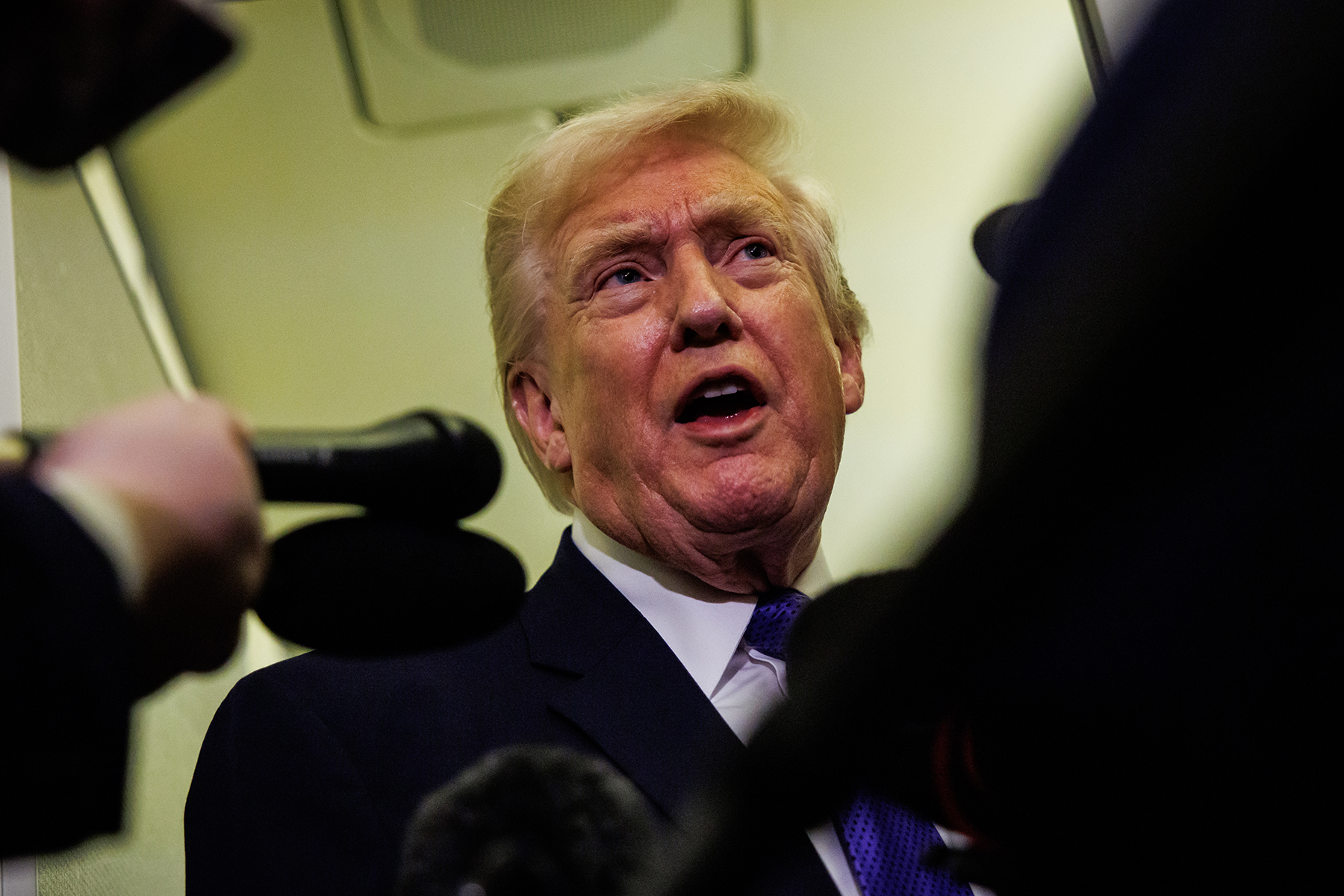
HangupsMusic.com – Las Vegas, Nevada – The Super Bowl Halftime Show has long transcended mere musical entertainment, evolving into a colossal cultural event watched by tens of millions worldwide. This year, the anticipation surrounding the selection of Puerto Rican global sensation Bad Bunny, born Benito Antonio Martínez Ocasio, was palpable. Known for his groundbreaking genre-bending music and unapologetic embrace of his roots, his appearance on such a monumental stage was destined to be significant. What unfolded was not just a performance, but a vibrant cultural declaration, delivered entirely in Spanish, that celebrated his heritage, championed Latino unity, and underscored the resilience of a unified community. Yet, this powerful display of identity quickly became a flashpoint, drawing immediate and vehement condemnation from former President Donald Trump, transforming a spectacle of sport and song into a heated political debate about national identity and belonging.
The moment Bad Bunny stepped onto the colossal stage at Allegiant Stadium, bathed in the glow of a million screens, the message was clear: this was a performance for the ages, steeped in cultural pride. From the opening notes, the atmosphere crackled with an electrifying energy that radiated through the arena and across living rooms globally. His setlist, a dynamic journey through his chart-topping discography, was punctuated by vibrant choreography and stunning visual effects that paid homage to his Caribbean roots. Dancers adorned in colorful attire moved with an infectious rhythm, transforming the gridiron into a pulsating celebration of Latin American culture. The choice to perform every single lyric in Spanish was not merely an artistic decision; it was a profound statement, an affirmation of identity and a deliberate rejection of linguistic assimilation often expected on such a prominent American platform. It underscored the fact that Spanish is not just a language spoken by a significant portion of the U.S. population, but a vibrant component of the nation’s cultural tapestry. Critics and fans alike lauded the show for its audacity and authenticity, praising Bad Bunny for using his immense platform to showcase the richness and diversity of his heritage, effectively bringing a piece of Puerto Rico and the wider Latin diaspora to the forefront of global consciousness. His performance resonated deeply with millions, serving as a powerful emblem of representation and a testament to the growing influence of Latin music and culture on the global stage.
The cultural significance of Bad Bunny’s performance was amplified by the existing political climate, particularly the long-standing and often contentious rhetoric surrounding immigration in the United States. Former President Donald Trump, a figure synonymous with a hardline stance on border security and immigration policy, had consistently made the Latino and Hispanic communities a central focus, often framing them as scapegoats within his political narrative. Throughout his tenure and beyond, his administration implemented policies characterized by aggressive mass deportations, the arbitrary detention of individuals, and widespread racial profiling. Federal agencies like the Department of Homeland Security (DHS), Immigration and Customs Enforcement (ICE), and Customs and Border Protection (CBP) saw their powers expanded and militarized, leading to an undeniable surge in enforcement actions and reported abuses against both documented and undocumented immigrant communities. These policies fostered an atmosphere of fear and uncertainty, particularly among those with direct ties to Latin American nations. It was against this backdrop of heightened anti-immigrant sentiment that Bad Bunny, a proud Puerto Rican, whose island nation is a U.S. territory, took the Super Bowl stage. His performance, while not explicitly naming Trump or his policies, delivered an undeniable counter-narrative: a defiant declaration that Latino culture is not only integral to the fabric of America but is also vibrant, resilient, and unapologetically here to stay. The implicit message was clear – "Latinos are America." This direct cultural assertion, delivered on the nation’s biggest stage, was inevitably perceived by many as a direct challenge to the nationalist and exclusionary rhetoric that had dominated political discourse for years.
The immediate aftermath of Bad Bunny’s performance saw a swift and predictably fiery response from Donald Trump. Despite earlier pronouncements from the White House that he would bypass the main event to tune into an alternative "Real American Halftime Show" headlined by Kid Rock, it became clear that Trump had indeed watched, and had taken profound offense. Shortly after the final notes faded from Allegiant Stadium, Trump took to his social media platform, Truth Social, to unleash a lengthy diatribe. He condemned the performance as "an affront to the Greatness of America," asserting that it failed to "represent our standards of Success, Creativity, or Excellence." His criticism delved into the specifics of the show, expressing frustration with the language barrier, stating, "Nobody understands a word this guy is saying," and describing the choreography as "disgusting." He characterized the entire spectacle as a "slap in the face to our Country," lamenting a perceived lack of inspiration and predicting that the "Fake News Media" would unfairly laud it, highlighting his perennial distrust of mainstream journalism. In a peculiar addendum, seemingly disconnected from his cultural critique, he also urged the National Football League (NFL) to "immediately replace its ridiculous new Kickoff Rule," suggesting a broader dissatisfaction with the event. Trump’s comments revealed a deep-seated discomfort with cultural expressions that deviated from what he considered conventional American norms, particularly those delivered in a language other than English. His remarks underscored a persistent tension between a vision of America as a melting pot of diverse cultures and a more nativist perspective that often views non-English expressions as foreign or even threatening.
Bad Bunny’s powerful Super Bowl statement was not an isolated incident but rather the culmination of a consistent and increasingly vocal stance on social and political issues, particularly those affecting immigrant and Latino communities. Just a week prior to his highly anticipated halftime show, the artist used another significant platform – the Grammy Awards – to amplify his message. Accepting the coveted Album of the Year award for his critically acclaimed work, Debí Tirar Más Fotos, Bad Bunny delivered a concise yet impactful speech. After expressing gratitude, he powerfully declared, "Before I say, ‘Thanks to God,’ I’m going to say, ‘ICE out.’" This direct call to action against Immigration and Customs Enforcement resonated deeply, drawing widespread attention to the agency’s often controversial and frequently criticized practices, including violent targeting and alleged unlawful abuses against immigrant communities across the nation. His activism extended beyond verbal declarations. In a significant move that underscored his commitment to his community, Bad Bunny had previously made the difficult decision to exclude several major American cities from his album tour itinerary. This decision was driven by legitimate concerns that his concerts, which consistently drew enormous crowds across all demographics but were particularly popular among Hispanic and Latino populations, could become targets for increased surveillance or aggressive immigration enforcement actions under the Trump administration’s heightened surge in enforcement. These instances collectively demonstrated that Bad Bunny was not merely an entertainer; he was a conscientious artist leveraging his global influence to advocate for social justice and to challenge policies he perceived as detrimental to marginalized communities. His Super Bowl performance, therefore, was not a sudden political pivot but a continuation of a deeply held commitment to cultural and social advocacy.
The fallout from Trump’s remarks was immediate and multifaceted, sparking widespread debate across social media, news outlets, and political commentaries. Supporters of the former president echoed his sentiments, often decrying the performance as un-American or culturally alienating, reinforcing the idea that public spectacles should align with a specific, often conservative, vision of national identity. Conversely, a vast array of critics, including many in the entertainment industry, civil rights organizations, and a significant portion of the general public, condemned Trump’s statements as xenophobic and divisive. They argued that his reaction underscored a fundamental misunderstanding, or deliberate misrepresentation, of America’s diverse cultural landscape. For many, Bad Bunny’s performance was not an "affront," but a vivid reflection of the nation’s demographic reality and its evolving cultural tapestry. The incident also reignited discussions about the role of art in politics and the responsibility of public figures to use their platforms for advocacy. It further highlighted the strategic use of controversy by political figures. The widely held belief among observers was that Trump, despite the White House’s earlier claims of boycotting the event, had likely watched the Halftime Show precisely to generate the kind of "outrage bait" that fuels his base and garners media attention. By publicly lambasting a globally beloved artist for celebrating his heritage, Trump effectively solidified his anti-immigrant stance for his supporters while simultaneously antagonizing his opponents, creating a win-win scenario in the theatre of political spectacle. The event transcended a simple Super Bowl Halftime Show, morphing into a potent symbol of the ongoing cultural wars within the United States.
In the grand theater of the Super Bowl, Bad Bunny delivered more than just a musical performance; he presented an unapologetic and vibrant declaration of Puerto Rican and Latino identity that resonated with millions and sparked a national conversation. His decision to perform entirely in Spanish, against the backdrop of a political landscape marked by contentious immigration rhetoric, transformed the Halftime Show into a significant cultural statement. The subsequent, fiery rebuke from former President Donald Trump, who condemned the performance as an "affront" and culturally unacceptable, starkly illuminated the deep ideological fissures within American society regarding diversity, language, and national identity. This clash between artistic expression and political critique underscored the enduring power of popular culture to challenge established norms and provoke dialogue. Ultimately, Bad Bunny’s Super Bowl moment transcended mere entertainment, solidifying its place as a pivotal cultural event that not only showcased the global phenomenon of Latin music but also compelled the nation to confront fundamental questions about who belongs, who is represented, and what truly defines the "Greatness of America."