 By Azzam Bilal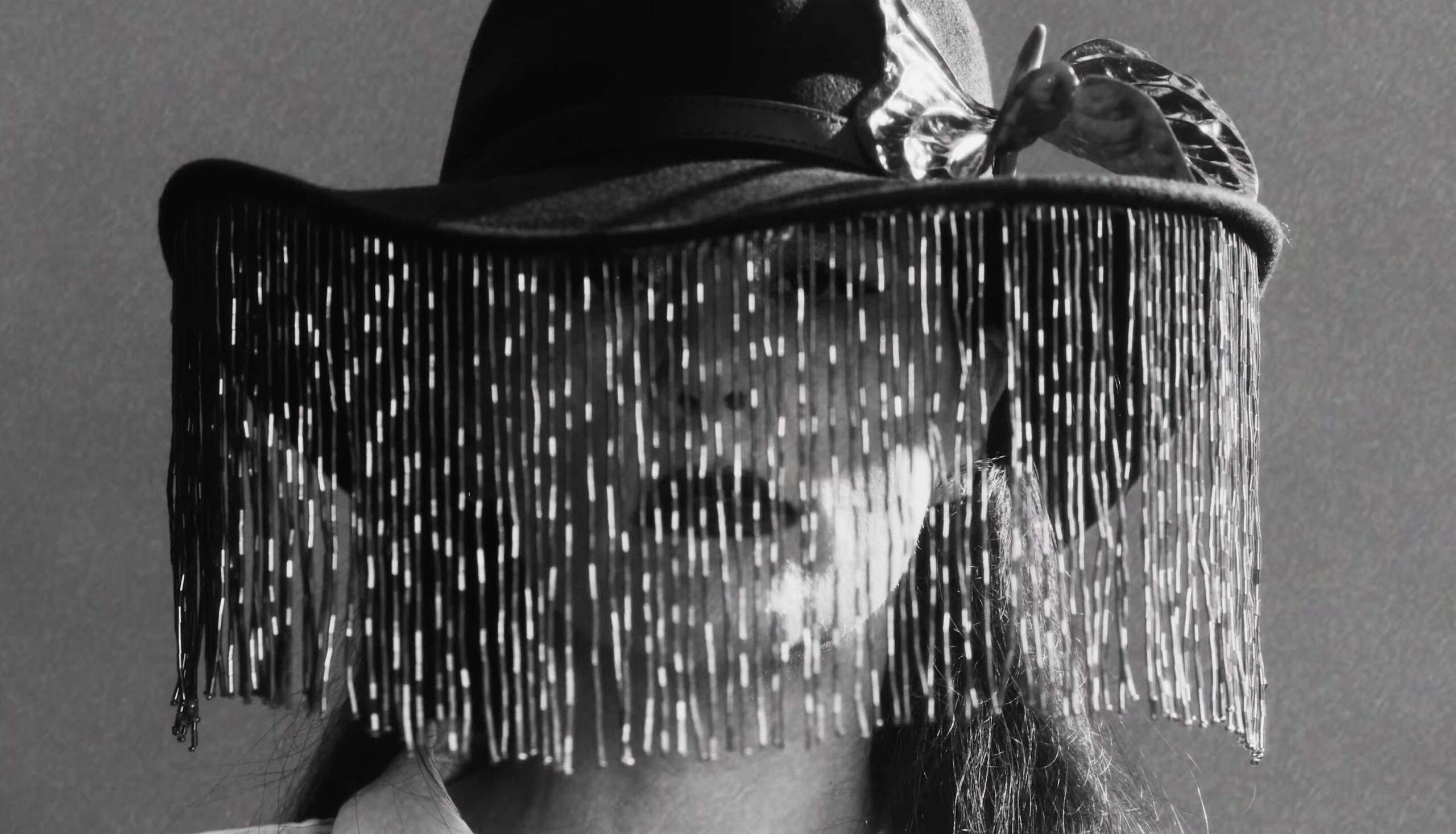
HangupsMusic.com – London, Jessie Ware has officially ushered in the next chapter of her storied career with the release of her latest single, "Ride," a track that serves as the cornerstone for her highly anticipated upcoming studio album, Superbloom. Known for her seamless transition from sophisticated soulful pop to the vanguard of the modern disco revival, Ware continues to refine her sonic palette by blending high-concept cinematic influences with the visceral energy of the global dance floor. The new track, which arrived alongside a minimalist and evocative music video, marks a significant milestone in the artist’s creative timeline, particularly given its long gestation period and its high-profile debut on one of the world’s most famous festival stages.
The release of "Ride" follows the momentum generated by "I Could Get Used to This," a single that debuted last month and offered a glimpse into the lush, organic textures of the Superbloom era. As fans look toward the full album’s scheduled arrival on April 10, "Ride" stands out as a bold declaration of intent. The track is notable not only for its rhythmic precision and Ware’s signature vocal elegance but also for its daring use of interpolation. The song prominently features elements from Ennio Morricone’s legendary theme to the 1966 film The Good, the Bad and the Ugly. By weaving the iconic whistling and tension-filled motifs of the Spaghetti Western masterpiece into a contemporary club setting, Ware and her production team have created a soundscape that is simultaneously nostalgic and futurist.
In a statement accompanying the release, Ware revealed that "Ride" was the foundational piece for the entire Superbloom project. The song was conceived in 2024 during a collaborative session with her longtime creative partner and close friend, Jack Peñate, along with the electronic producer Karma Kid. This trio has become a central force in the development of the new album, with Peñate and Karma Kid contributing their expertise to several tracks across the record. Ware described the song as a "cinematic, cheeky, and powerful" anthem designed specifically for the club environment. The synergy between Peñate’s melodic sensibilities and Karma Kid’s prowess in house and bass music provides the backbone for Ware’s exploration of dance music’s transformative power.
The history of "Ride" is intrinsically linked to the legendary nightlife culture of the Glastonbury Festival. While the studio version has only just been made available to the general public, the track has lived in the memories of festival-goers for nearly two years. Ware first premiered the song during a secret performance at the NYC Downlow, the renowned queer club situated within the Block9 area of Glastonbury, in 2024. This performance occurred shortly after she had finished a headlining set on the West Holts stage, illustrating the dual nature of Ware’s current career: a major-label powerhouse capable of commanding massive festival crowds, and a dedicated club aficionado who remains deeply connected to the underground roots of house and disco.
The decision to delay the official release of "Ride" for two years was a calculated move, according to the artist. Ware acknowledged the patience of her fanbase, noting that the anticipation for the track had been building steadily since that first clandestine performance in the Somerset countryside. By holding the song until the lead-up to Superbloom, Ware has ensured that it serves as a bridge between her previous successes—most notably the critically acclaimed What’s Your Pleasure? and That! Feels Good!—and the new, more expansive sound she is cultivating for 2024 and beyond.
The musical composition of "Ride" reflects a sophisticated understanding of how to build tension on the dance floor. The Ennio Morricone interpolation provides a sense of grand, desert-swept drama that contrasts sharply with the driving, electronic pulse of the beat. This juxtaposition creates a "cinematic disco" feel that has become a hallmark of Ware’s recent work. The use of the Morricone theme is particularly inspired; it invokes the imagery of a standoff, a journey, and the rugged individualism of the Western genre, all while being anchored by a bassline that demands movement. It is a testament to Ware’s growth as a songwriter and curator that she can take such a recognizable piece of film history and recontextualize it without it feeling like a gimmick.
The accompanying music video for "Ride" opts for a "less is more" approach, focusing on Ware’s magnetic screen presence. Described as sultry and simple, the visual avoids the maximalist production often associated with pop-disco crossovers. Instead, it relies on lighting, movement, and the inherent power of the song itself to convey its message. This aesthetic choice aligns with the broader branding of the Superbloom era, which appears to prioritize raw emotion and organic growth over artificial polish. The video serves as a perfect companion to the track’s "cheeky" personality, allowing Ware’s charisma to take center stage.
As the music industry prepares for the April 10 release of Superbloom, "Ride" offers a clear indication of the album’s direction. If What’s Your Pleasure? was a love letter to the late-night escapism of the 1970s and 80s, and That! Feels Good! was a celebration of liberation and sensuality, Superbloom appears to be moving toward a more multifaceted and perhaps more aggressive sound. The inclusion of Karma Kid and Jack Peñate throughout the record suggests a blend of indie-pop sensibilities and heavy club influences. The title itself, Superbloom, evokes a sense of sudden, vibrant life and natural beauty, suggesting that the album will explore themes of personal and artistic flourishing.
Ware’s journey to this point has been one of the most interesting trajectories in British music over the last decade. Starting as a backing singer for the likes of Jack Peñate and SBTRKT, she quickly established herself as a premiere voice in the "post-dubstep" soul movement with her 2012 debut, Devotion. After a period of exploring more traditional adult-contemporary pop on albums like Tough Love and Glasshouse, she found her true calling by leaning into her love for the dance floor. This pivot not only revitalized her career but also positioned her as a central figure in the modern disco renaissance, alongside artists like Dua Lipa and Róisín Murphy.
The release of "Ride" also highlights Ware’s enduring partnership with Jack Peñate. Their relationship dates back to the very beginning of their careers, and their continued collaboration suggests a deep level of mutual trust and shared musical language. Peñate’s ability to craft hooks that feel both classic and contemporary, combined with Karma Kid’s modern production techniques, provides Ware with the perfect canvas for her vocals. Her voice, which has only grown more versatile and commanding over the years, handles the shifts between the song’s airy verses and its more insistent, powerful choruses with ease.
In the broader context of the current music landscape, "Ride" arrives at a time when the boundaries between "indie," "pop," and "dance" continue to blur. Ware’s ability to navigate these spaces—headlining major festival stages while still feeling at home in a sweaty, underground club like the NYC Downlow—is a rare feat. She has managed to maintain an air of sophistication and "cool" while producing music that is unashamedly fun and accessible.
As April 10 approaches, the excitement surrounding Superbloom continues to mount. With "I Could Get Used to This" and now "Ride" setting the tone, the album promises to be one of the definitive releases of the year. For Jessie Ware, "Ride" is more than just a single; it is a celebration of a two-year journey from a tent at Glastonbury to the global airwaves, and a reminder that in the world of dance music, the best things are often worth the wait. The track is now available on all major streaming platforms, and the video can be viewed on Ware’s official channels, offering a tantalizing preview of the "superbloom" that is about to occur.