
 By Rose Miami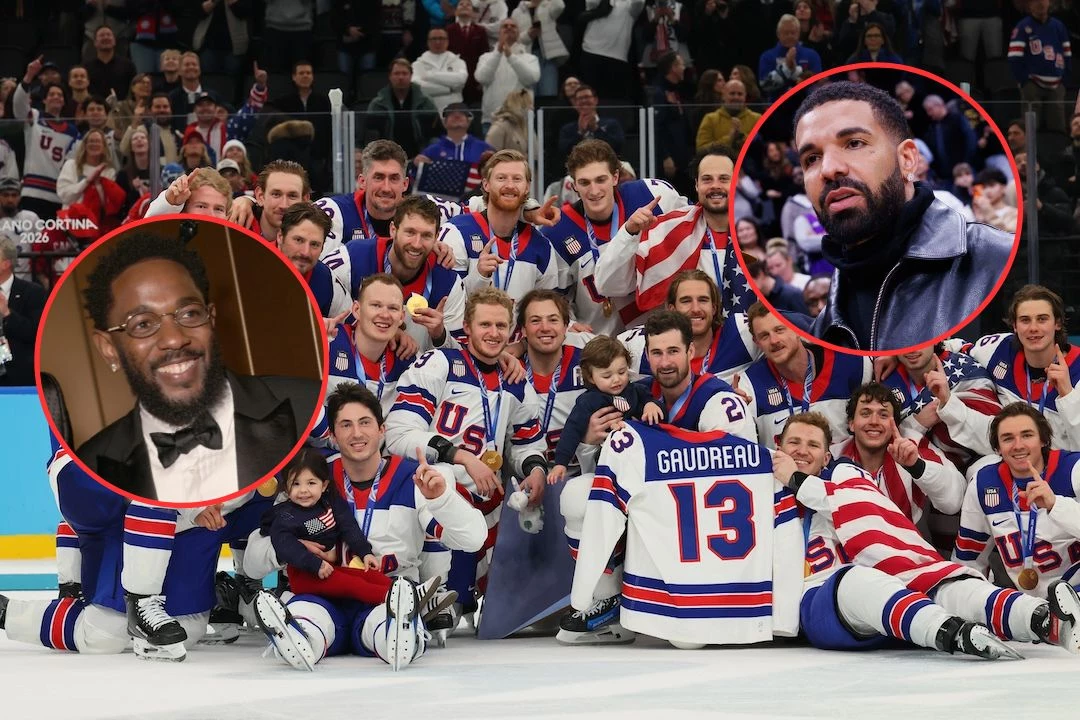
HangupsMusic.com – Milan, Italy – In a moment that transcended sports and music, Kendrick Lamar’s scorching diss track "Not Like Us," originally aimed at Drake, found an unexpected new life as the celebratory anthem for the USA Men’s Olympic Hockey Team’s monumental victory over arch-rivals Canada at the 2026 Winter Olympics. The dramatic 2-1 overtime win, secured on February 22nd, marked the United States’ first Olympic hockey gold medal in 46 years, a drought stretching back to the iconic 1980 "Miracle on Ice."
The electrifying victory in Milan capped a remarkable Winter Olympics for the United States, which amassed an impressive 12 gold medals across various disciplines. However, it was the hard-fought hockey final against their northern neighbors that truly captured the nation’s imagination. The game, a tense, back-and-forth affair, culminated in a thrilling overtime period, with the American squad etching their names into Olympic history.
The following day, the U.S. Olympic & Paralympic Team took to social media platform X (formerly Twitter) to share their jubilation. In a post that quickly went viral, they featured a powerful image of a USA goaltender making a crucial save against a Canadian opponent. Overlayed on the graphic were the words "Final/OT" and the decisive 2-1 scoreline, rendered in gleaming gold to signify the championship. But it was the accompanying caption that sparked widespread conversation: "They not like U.S." The message was accompanied by a bald eagle and the United States flag emojis, a clear and witty nod to Kendrick Lamar’s explosive track.
The deliberate misspelling of "U.S." in place of "us" served as a clever double entendre. Not only did it directly challenge the Canadian team, but it also cleverly invoked the spirit of Lamar’s diss, which famously declared the rapper’s distinctiveness from his perceived rivals. The choice of song, released two years prior, underscored its enduring cultural impact and its ability to resonate with a new generation and in an entirely different context. The lyrics of "Not Like Us," characterized by their aggressive delivery and pointed accusations, were repurposed to convey a sense of national pride and dominance on the ice.

The use of "Not Like Us" by the Olympic committee and the victorious athletes speaks volumes about the song’s widespread cultural penetration. What began as a highly publicized rap beef between two of hip-hop’s biggest stars has now transcended its origins to become a symbol of triumph and a rallying cry for national sporting achievement. The song’s infectious beat and memorable hook have clearly struck a chord, proving that powerful music can unite and inspire in unexpected ways.
The decision to employ a hip-hop diss track to celebrate a major international sporting victory might seem unconventional, but it highlights a growing trend of cultural cross-pollination. Music, particularly genres as influential as hip-hop, often mirrors and shapes societal sentiments. In this instance, "Not Like Us" provided a potent soundtrack for an underdog narrative, a story of overcoming adversity and asserting superiority. The lyrics, which once served to dismantle an opponent in the music industry, now served to celebrate a hard-won victory against a formidable sporting rival.
The ongoing relevance of "Not Like Us" two years after its release is a testament to Kendrick Lamar’s artistry and his ability to craft music that not only dominates the charts but also becomes deeply embedded in the cultural zeitgeist. The song’s clever wordplay, its undeniable rhythm, and its raw energy have made it a cultural touchstone, capable of adapting to various contexts. Its adoption by the USA Men’s Hockey Team is a prime example of how music can transcend its original intent and become a powerful emblem of collective identity and shared success.
This unexpected fusion of hip-hop bravado and Olympic glory serves as a fascinating case study in how popular culture evolves and adapts. The imagery of the victorious American hockey players, their faces alight with the pride of a historic win, with Kendrick Lamar’s defiant anthem playing in the background, paints a vivid picture of a moment where sports, music, and national pride converged. The legacy of "Not Like Us" has now expanded beyond the rap world, solidifying its place in the annals of unexpected yet impactful cultural moments. The 2026 Winter Olympics will forever be remembered not just for the athletic achievements, but also for the surprising soundtrack that accompanied one of its most memorable victories.