
 By Azzam Bilal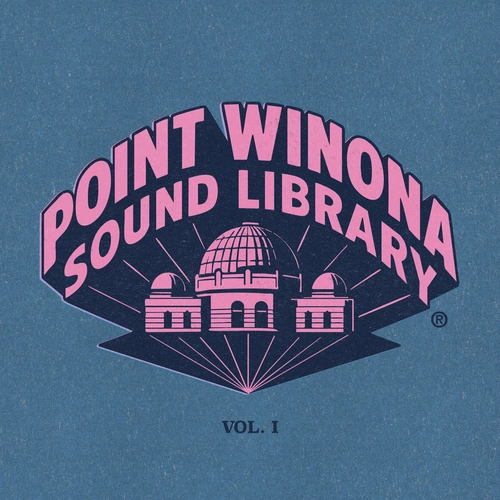
HangupsMusic.com – Los Angeles, The city of Los Angeles has long been a sprawling mosaic of creative pockets, each neighborhood fostering its own distinct sonic identity. In the leafy, storied hills of Los Feliz, a new chapter of West Coast electronic music history is being written within the confines of a single studio. The release of Point Winona Sound Library Vol. 1 serves as more than just a compilation; it is a curated testament to the power of physical proximity and collective artistic vision. Spearheaded by the veteran producer Dave Aju, this twelve-track collection brings together a diverse array of local talent, proving that even in a digital age, the most potent musical alchemy often occurs when artists occupy the same room.
Dave Aju, a name synonymous with high-caliber, charismatic club music for over two decades, acts as the primary architect of this project. Since his early days making waves on the Parisian imprint Circus Company in the early 2000s, Aju has maintained a reputation for technical precision blended with a playful, soulful sensibility. His move to Los Angeles marked a shift in his creative output, one that has culminated in the formation of the Point Winona crew. On this inaugural volume of the Sound Library, Aju’s influence is pervasive but never overbearing. He appears as a collaborator on several tracks, lending his seasoned ear and rhythmic dexterity to a variety of sub-genres, yet he leaves ample space for the unique voices of his peers to resonate.
The compilation opens a window into a specific kind of Los Angeles underground—one that is less about the glitz of Hollywood and more about the grit of the warehouse and the intimacy of the home studio. The tracks are bound together by a palpable sense of craftsmanship, a quality the project refers to as "fulsome production." This isn’t just a collection of loops; it is a meticulously engineered exploration of tempo and texture. The sequencing of the album mirrors the trajectory of a long night out, moving through various moods and energy levels while maintaining a consistent aesthetic thread.
One of the most striking collaborations on the record is "Omnicallora," where Dave Aju joins forces with Nomadico and Kosmik. Nomadico, a veteran associated with the legendary Detroit collective Underground Resistance, brings a sense of historical weight to the track, while Kosmik, known for the dark, immersive atmospheres of the Black Lodge parties, adds a layer of modern tension. The result is a track described as an "Italo-tickled vocoder monster." It manages to bridge the gap between the synthetic melodies of 1980s Milan and the futuristic, mechanized soul of Detroit. The use of the vocoder here is particularly effective, transforming the human voice into a rhythmic instrument that weaves through a dense thicket of synthesizers.
The exploration of rhythm continues with "Yolo Jungle," a collaboration between Aju and Gold Code. In an era where many producers approach jungle and drum and bass with a frantic, high-bpm energy, Aju and Gold Code opt for a more cerebral, "slow-mo" breakbeat pressure. The breaks are chopped with a surgeon’s precision, displaying a deep understanding of the genre’s foundational techniques, but the tempo is dialed back, allowing the listener to appreciate the complexity of the percussion and the snaking movement of the bassline. It is a track that feels both nostalgic and forward-thinking, honoring the past while refusing to be a mere imitation.
The compilation also highlights the vocal and lyrical contributions of the Point Winona circle. On "Smart Move," Dave Aju spars with Stacy Christine, a rising figure in the LA scene known for her sharp selections and uncompromising style. The track is a "gnarly" piece of electronic funk that addresses the nuances of etiquette, both on and off the dance floor. Christine’s delivery is confident and biting, perfectly matched by a production that is as jagged as it is infectious. Similarly, "Chuy Luis" sees Aju working with Kenneth "Moniker" Scott, venturing into the world of sprightly broken beat. The track is characterized by its syncopated rhythms and airy melodies, providing a moment of levity and swing amidst the heavier club-focused material.
While the established names provide a solid foundation for the compilation, Point Winona Sound Library Vol. 1 is perhaps most successful in its role as a platform for discovery. Some of the most compelling moments on the record come from artists who may be less familiar to an international audience but are clearly essential components of the Los Feliz studio ecosystem. Gryph’s "Winona At Sunset" is a standout example of this. The track balances a sugary, pop-inflected melodic sensibility with a rugged, physical bass thump. It captures the hazy, golden-hour atmosphere of Los Angeles, blending accessibility with the technical requirements of a club environment. It is a sophisticated piece of songwriting disguised as a dance floor tool.
The darker, more industrial side of the LA warehouse scene is represented by Maddy Maia and Tottie on their track "Obsesión Romántica (Free Winona Dub)." Maia and Tottie, both influential figures in the city’s radio and nightlife landscape, deliver an "opulent, gurgling acid workout." The track is built around a heavy, driving low end and 303 lines that flex and morph with a liquid intensity. It is the kind of production designed for high-end sound systems in cavernous spaces, evoking the raw energy of a downtown rave while maintaining a polished, high-fidelity finish.
The "glue" that holds Point Winona Sound Library Vol. 1 together is a shared reverence for the history of electronic music. Throughout the twelve tracks, there is a sense that these artists are not just using presets or following trends, but are deeply engaged with the tools and techniques of their craft. Whether it is the soaring arpeggios of an Italo-disco track or the intricate slicing of a jungle break, the execution is flawless. This technical proficiency is matched by a genuine emotional investment in the music. There is a "deeply felt appreciation" for the genres being referenced, which prevents the compilation from feeling like a stylistic exercise.
Beyond the individual tracks, the compilation serves as a document of a community. The decision to record everything at the same studio in Los Feliz is significant. In an industry that is increasingly decentralized, where collaborations often happen via file-sharing across different continents, the Point Winona project emphasizes the value of a shared physical space. The studio becomes a character in itself, a laboratory where ideas are exchanged, refined, and eventually immortalized. This sense of camaraderie and mutual respect is audible in the music; there is a fluidity to the collaborations that suggests a high level of comfort and shared language among the participants.
As a "Sound Library," the volume suggests that this is only the beginning. The "Vol. 1" in the title points toward a continued effort to document the evolving sounds of this specific LA cohort. In doing so, Dave Aju and his collaborators are creating a living archive of their scene. They are capturing a moment in time where various threads of electronic music—from the acid house of the UK to the techno of Detroit and the disco of Italy—converge in a Los Angeles neighborhood to create something entirely new.
In conclusion, Point Winona Sound Library Vol. 1 is a triumphant showcase of the West Coast’s electronic vitality. It avoids the pitfalls of many various-artist compilations by maintaining a high standard of production and a cohesive aesthetic vision. It is a record that sounds like a celebration—not just of the music itself, but of the people who make it and the spaces that allow it to flourish. For those looking to understand the current state of the Los Angeles underground, this collection provides an essential and exhilarating roadmap. It makes the prospect of a Point Winona party seem not just like a night out, but like an invitation into a vibrant, high-fidelity world of sound.