
 By admin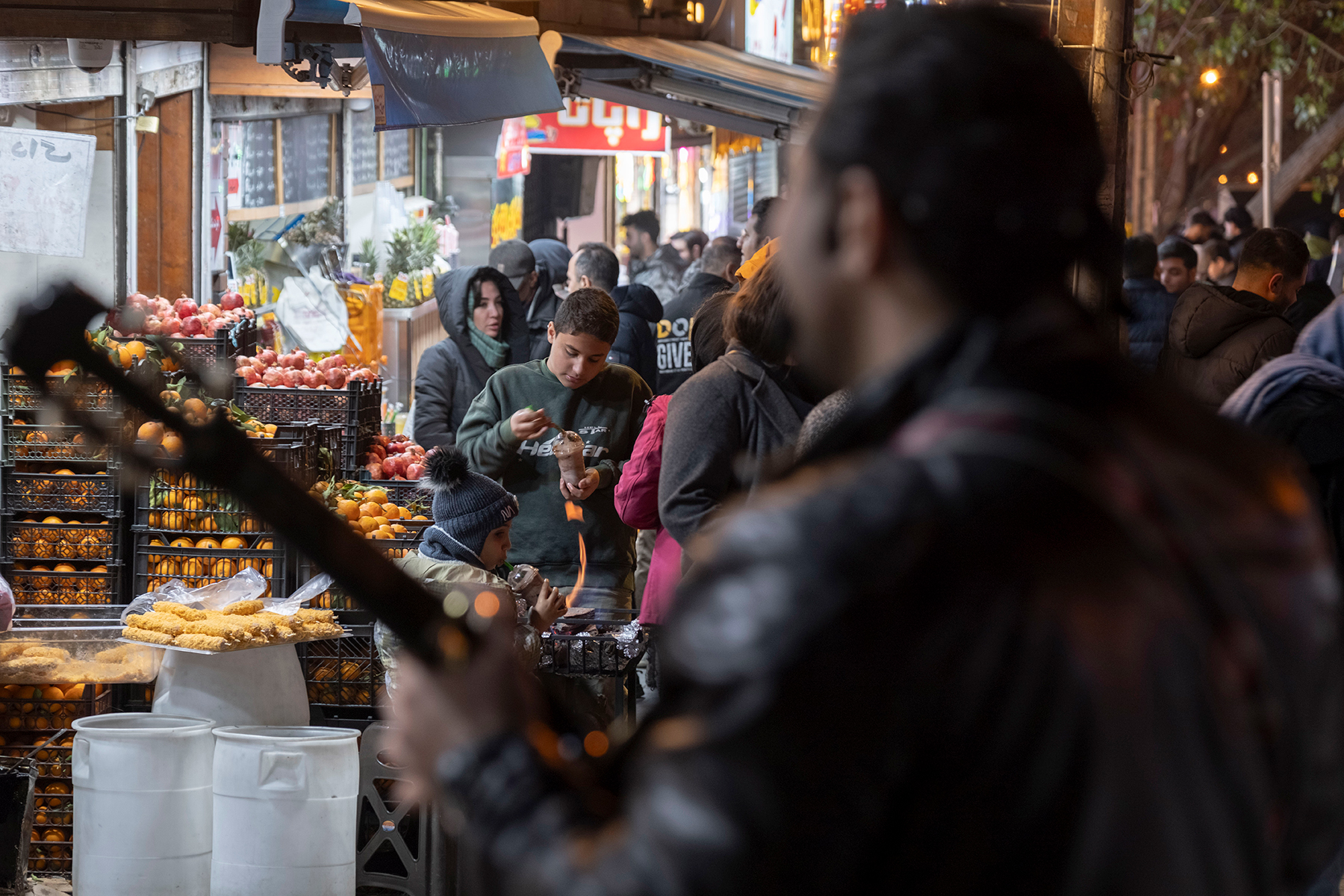
HangupsMusic.com – The digital silence that fell across Iran in late December 2025, extending into January 2026, plunged a nation of 81 million into unprecedented isolation. As a widespread internet shutdown gripped the country in the wake of escalating protests sparked by economic turmoil, communication lines dissolved, leaving a profound void. Yet, within this enforced disconnection, music emerged not merely as a solace, but as a vital conduit for expression, memory, and defiant hope, circulating through clandestine networks of shared files, whispered lyrics, and communal memory. This period illuminated music’s enduring power as a tangible force, capable of transcending digital barriers and nurturing the human spirit when all other connections faltered.
In Tehran, the capital city, R.A., a classical music student nearing the completion of her four-year degree, experienced this digital blackout firsthand. Her academic life, intricately woven with online resources like YouTube performances by global artists, was abruptly severed. "Observing the mastery of renowned musicians is fundamental," she explained, emphasizing its role in her development, "it’s where inspiration ignites, ideas take root, and I dissect their interpretations." Without this digital window to the world’s stages, her studies continued, but the wellspring of artistic stimulation dried up, leaving her feeling creatively constrained. "My preparation was adequate, but it lacked the vital spark," she admitted, underscoring the profound impact on her artistic journey.
The streets of Tehran, usually abuzz with digital chatter, now saw friends convening in hushed cafes, not for Wi-Fi, but to physically exchange flash drives. These small devices, laden with downloaded tracks, became precious vessels of shared experience. "Music is indispensable to us," R.A. affirmed, "we are compelled to listen." She recounted a particular cafe encounter where the proprietor’s playlist captivated her. Unlike the contemporary sounds she usually encountered, this selection leaned into the past, featuring Iranian artists from bygone eras. These older melodies offered a nostalgic retreat, a mental sanctuary where R.A. and her companions could find solace and imaginative freedom amidst the prevailing tension.
The nationwide internet shutdown was a direct response to widespread protests that erupted in Tehran after the national currency, the rial, plummeted to historic lows, exacerbated by soaring inflation and economic hardship. The ensuing week-long blackout, though easing intermittently, continued to plague connectivity, crippling communication and forcing people to carry their music, quite literally, in their hands. For individuals like R.A., who diligently kept abreast of current affairs, the shutdown presented a peculiar dilemma. "I didn’t want to sever myself from the unfolding reality," she stated, "especially when the country’s disconnection wasn’t by choice." Her personal listening habits naturally narrowed, reverting to her pre-downloaded collection, yet her awareness of the external world remained acutely sharp.
It was through these informal networks that music truly thrived. Friends shared protest anthems, cafe owners curated playlists that evoked simpler times, and discreet musical gatherings began to materialize. R.A., initially immersed in classical compositions, found herself drawn into new sonic landscapes. "My friends introduced me to protest music during this time," she revealed. "I was a reserved student before, but now I’m exploring genres like rock; I feel a strong desire to articulate my emotions, to make my voice heard." Her newfound passion even led friends to request she perform a protest song they had penned during the shutdown. However, the bureaucratic hurdles of obtaining performance permits and the necessity of anonymity for any public release made such a venture impossible. The weight of the situation also bore heavily on her peers. "Many of my musician friends became despondent," R.A. observed, "losing the inclination to perform or even practice their instruments." While their ears remained open, their hands fell silent.
B.R., an Iranian living in Vienna, had returned home for a three-month visit when the digital curtain descended. "Normal life was instantly upended," he recounted. "We rely on the internet for everything, even navigation. It’s hard to imagine meeting friends or finding a safe haven without it." The abrupt loss of connection left him stranded, initially unaware that his flight back to Vienna had been canceled. In his own isolation, B.R. sought refuge in music. He revisited a playlist of songs he and his girlfriend had shared. "I played those songs, the ones we exchanged, over and over," he said, drawing comfort from their familiarity. Without streaming services, his digital archives, particularly Telegram chats, became a cherished repository of shared memories.
Like R.A.’s friends, B.R. gravitated towards melancholic tunes, finding a peculiar solace in their introspective depths. "I was seeking a meditation on pain," he reflected. In those days of profound uncertainty, a particular melody conjured the vivid memory of a lemon cake his girlfriend had baked for him before his departure. The cake’s tartness offered a bittersweet echo of a love that, despite the distance and digital chasm, remained a potent anchor. Upon his successful return to Vienna, B.R. ceased listening to that specific playlist. "Those songs now carry new, difficult associations," he explained, "I try to avoid them."
B.R. also noted a shift in the nature of public dissent compared to previous years. During earlier protests, like the 2022 "Woman, Life, Freedom" movement following Mahsa Amini’s death, chants and songs resonated widely and rapidly. This time, while the internet was active, one song, in particular, stood out. He remembered a woman openly playing Shervin Hajipour’s poignant anthem at a volume that ensured its message of grief, peace, and freedom reached all within earshot. This act of public listening became a quiet, yet powerful, form of protest.
A.R., an Iranian economist and ardent music enthusiast now residing in Germany, experienced the shutdown from within Iran before his return abroad. His observations mirrored R.A.’s and B.R.’s: listening habits became insular and repetitive, a mechanism for self-soothing. "You listened to what you possessed, and then you listened again," he summarized. He recalled his mother, during fleeting moments of restored connectivity, posting protest songs to her Instagram stories. "It wasn’t just her way of signaling her presence," A.R. reflected, "but also a powerful demonstration of how music fueled her yearning for change."
From across the Atlantic, Rana Farhan, a successful Iranian musician who left her homeland in 1989 and now lives in the United States, watched the events unfold with a different kind of anguish. "Emigration was my only avenue to pursue art," Farhan stated, "but that geographical distance never absolved me of responsibility." Her musical expression, deeply rooted in her Iranian heritage, processed these distant traumas without the immediate threat of physical danger. "These narratives belong to countless individuals," she emphasized, "by voicing our stories, we amplify theirs."
In New York, Farhan grappled with the paradox of her freedom. "We cannot avert our gaze and pretend this isn’t happening," she asserted. "As an artist, one often feels inconsequential. The magnitude of the tragedy makes you question: why am I simply sitting here, singing?" This internal conflict, however, refined her perspective. "Music is inherently healing," Farhan concluded. "But hope must never be abandoned. Everyone occupies a different position and carries distinct responsibilities. We all contribute what we can. We must." During this period, an older composition of hers, "Choonie (Are You Alright)," resurfaced with renewed resonance. "Its message is profoundly simple," she explained. "It merely asks, ‘How are you doing? I think of you day and night.’ That sentiment perfectly encapsulates our current reality."
For R.A., music became an emotional release, a catalyst for internal transformation. For B.R., it offered temporary sanctuary amidst a communication collapse. For A.R., it became a repetitive, inward ritual. Farhan articulated how distance sharpened her awareness of what was possible, and impossible, from a place of safety. For countless others, music transcended time and despair, becoming a silent plea, a whispered hope that someone, somewhere, was listening, and that better days would eventually dawn.
Across cities and borders, music flowed like an underground river, exchanged through physical drives, salvaged files, cherished playlists, and shared memories – a resilient beacon of defiance and optimism. In a nation where reaching loved ones or speaking freely remains a perilous endeavor, music emerged as the fundamental question when all other avenues of communication had been silenced. The lyrics of "Choonie" echo this profound human need:
In these hard and troubling times
In these hard and troubling times
Are you all right?
Day and night, my love
You are on my mind
And on this dreary night
Are you all right?